
Spaghetti Western
A concise overview of the Spaghetti Western film genre: origins, style, key films and creators, differences from American westerns, and its cultural legacy.
Overview
Spaghetti Western refers to a group of Western films produced and directed by predominantly Italian companies during the 1960s. The label originally began as a casual or derogatory tag for Westerns made outside Hollywood, often by Italian film companies, but has since become the accepted name for a recognizable subgenre of the Western tradition. These films reworked familiar frontier motifs into a grittier, more stylized cinematic language with international casts and multilingual production practices.
Image gallery
10 Images



Characteristics and style
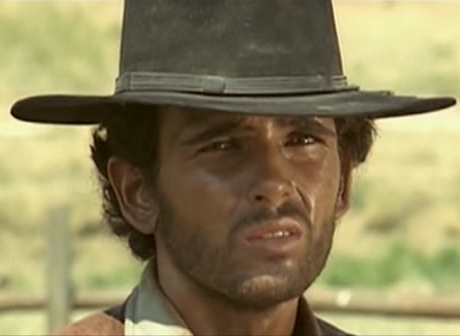
Spaghetti Westerns are distinguished by several recurring traits. Productions usually ran on limited budgets and made inventive use of real locations—particularly arid areas in Spain and rugged sites in Italy—rather than expensive studio sets. Directors emphasized visual composition: long, widescreen establishing shots intercut with extreme close-ups; deliberate pacing; sparse or laconic dialogue; and sudden, often operatic violence. Compared with classic American westerns, these films foregrounded moral ambiguity, antiheroes, and cynical portrayals of law and order.
- Low production budgets and international crews
- Location shooting in Spain and Italy
- Stylized cinematography: close-ups, long lenses, and dramatic editing
- Prominent musical scores and unconventional sound design
Origins, directors and notable films
The movement gained international attention through the work of filmmakers who reshaped the Western form. Sergio Leone is the most famous among them; his collaborations with composer Ennio Morricone helped define the genre’s aural identity. Leone directed a widely known trilogy starring Clint Eastwood as a taciturn gunslinger often called the "Man with No Name". The three films in that sequence are A Fistful of Dollars (1964), For a Few Dollars More (1965), and The Good, the Bad and the Ugly (1966), each notable for tight plotting, iconic imagery, and memorable scores. Other directors such as Sergio Corbucci and Giulio Petroni expanded the subgenre with darker, sometimes more violent entries.
Music, production practices and dubbing
Music played a central role: composers experimented with nontraditional instruments, motifs, and silence to heighten tension and irony. Many films were shot silently or with simultaneous multilingual soundtracks and later dubbed into different languages for distribution; this multilingual method became a production norm. Budget constraints prompted creative solutions—carefully chosen landscapes, minimal sets, and bold editing—resulting in a distinct aesthetic that set these pictures apart from their American predecessors.
Legacy and distinctions
Although the term began as a label for inexpensive European Westerns, critical reappraisal has elevated many Spaghetti Westerns to classic status. Their influence extends into modern cinema: filmmakers and composers cite their visual grammar, narrative ambiguity, and thematic darkness as inspiration. The genre blurred national styles, showing how international collaboration can reinvent a traditional form. For readers searching for context or further study, filmographies and retrospectives offer a clear path to understanding how these Italian-produced Westerns reshaped a beloved cinematic archetype.
Further reading and resources are available for each aspect of the genre, including production history, key directors and composers, and major titles that define the movement: genre overview, Italian production, timeframe, comparisons, filming locations, iconic characters, major films, year 1964, sequel, year 1965, landmark title, year 1966, notable director, composer, and leading actors.
Related articles
Author
AlegsaOnline.com Spaghetti Western Leandro Alegsa
URL: https://en.alegsaonline.com/art/92447