
Club (weapon)
Short, typically wooden striking implement used as a weapon or tool for impact; appears worldwide in many forms from cudgels to batons and quarterstaves.
Overview
A club is one of the oldest and most basic handheld weapons: a short, rigid stick or staff used to strike a target. In broad contexts it is also called a cudgel, baton, truncheon, nightstick or bludgeon. The simplest form is an ordinary branch or pole adapted for impact; over time many cultures shaped, weighted and decorated clubs to improve balance, durability and effectiveness. For a concise definition see common reference treatments of edged and blunt implements.
Image gallery
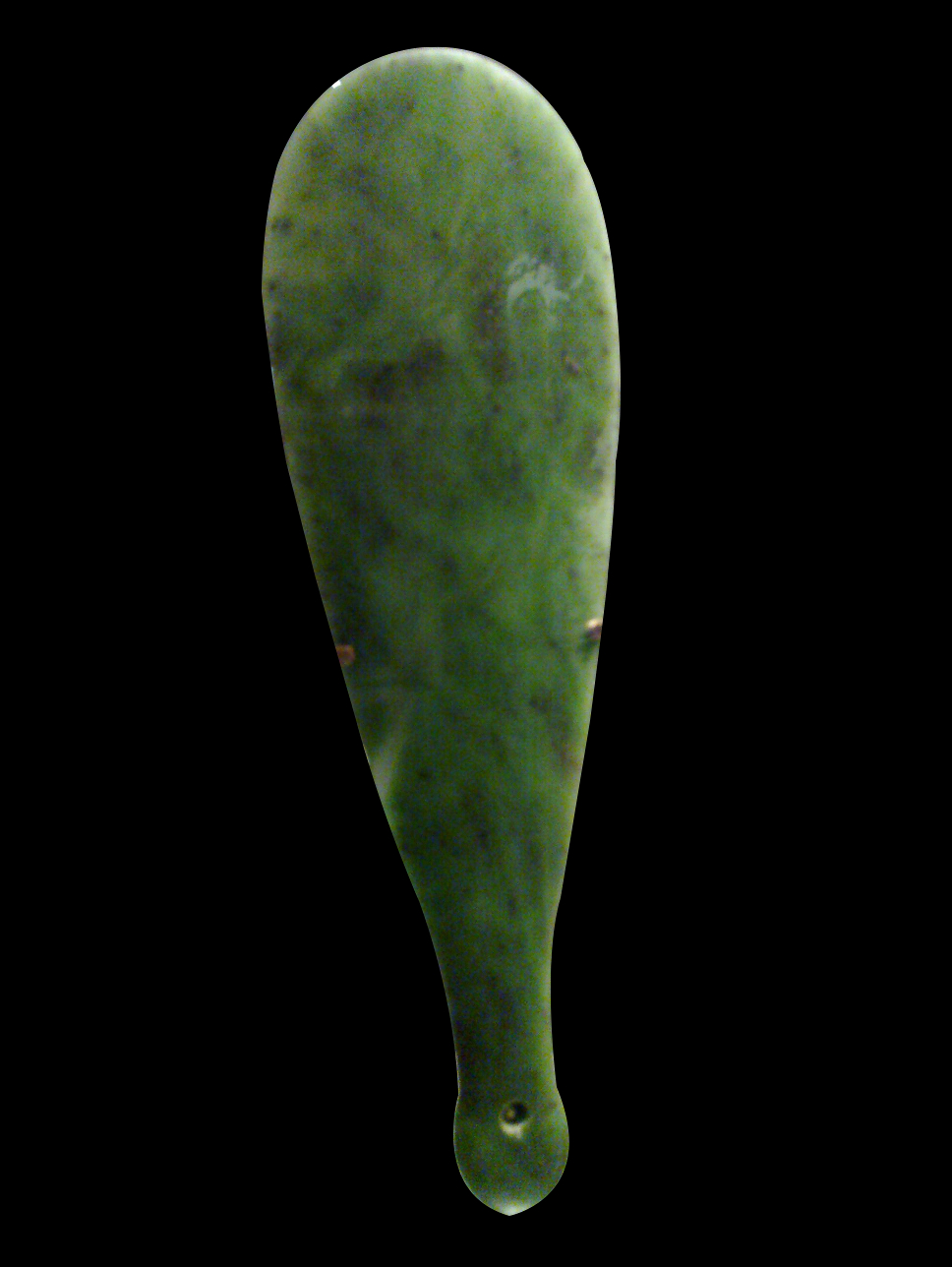
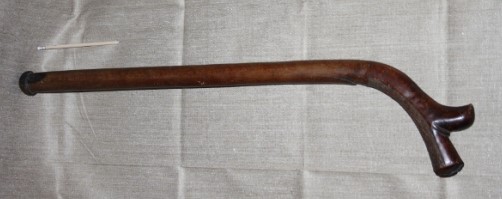
10 Images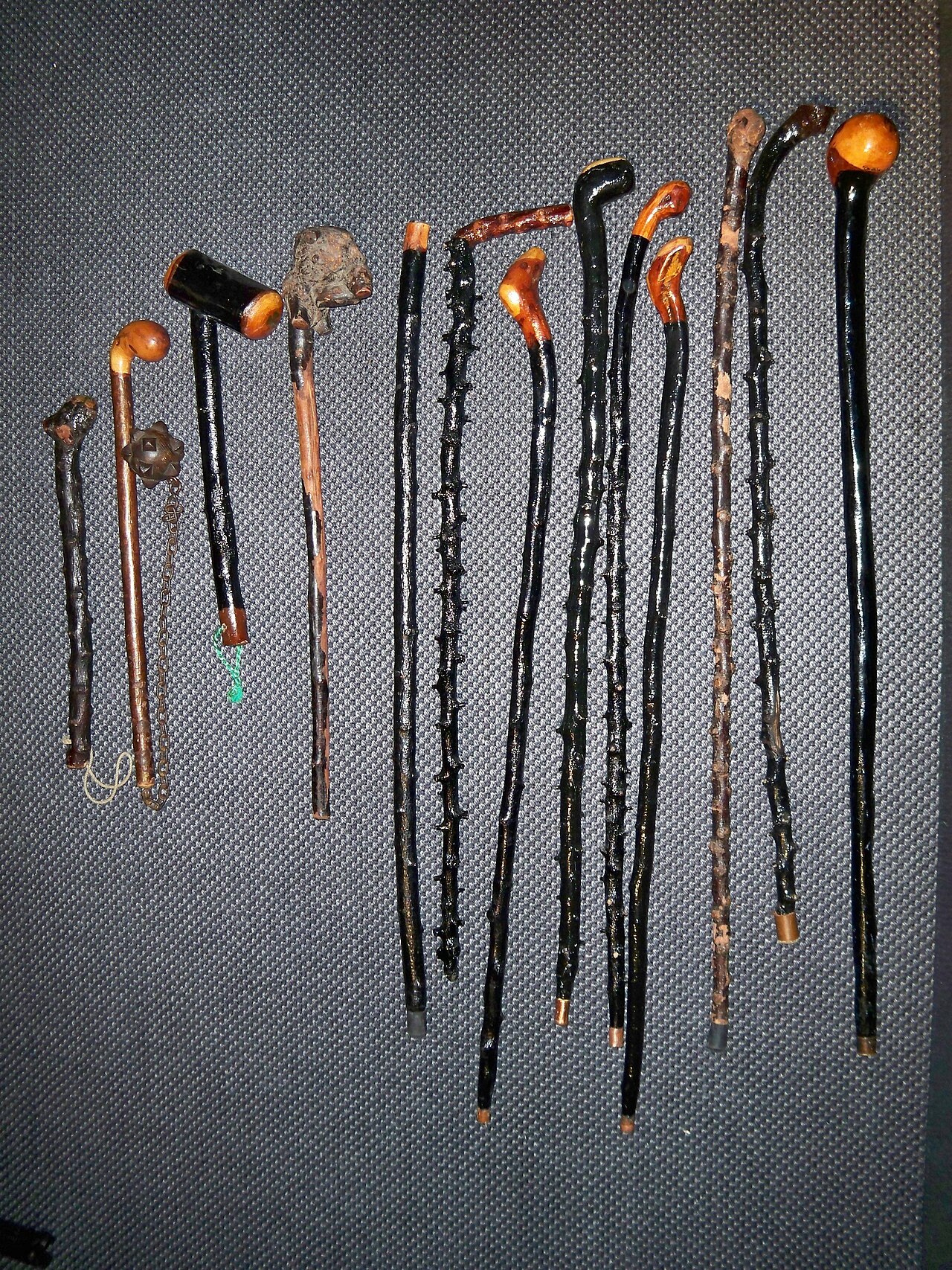



Characteristics and construction
Clubs are usually made for one-handed use, though longer forms require two hands. Typical materials include hardwoods, metal, bone or modern composites. Design choices—length, mass distribution, presence of knobs or flanges, and a grip—determine how energy is transferred on impact. A simple wooden stick differs from a law-enforcement baton by its finish and standardized dimensions. For the basic component, see common discussions of the stick as a tool or weapon: stick.
History and development
Archaeological and historical records show clubs across continents: rudimentary forms appear in prehistoric contexts, while later societies produced specialized ceremonial or combat varieties. Martial traditions adapted clubs into formal techniques; examples include Asian and European staff systems and regional weapons such as the Irish shillelagh or Indian gada. Training schools and historical manuals discuss club handling alongside other impact weapons.
Uses and types
Clubs serve in hunting, combat, ceremonial roles and modern policing. Common named types include:
- cudgel or bludgeon — short, heavy sticks for close fighting;
- quarterstaff or long staff — used two-handed for reach and leverage;
- baton/truncheon/nightstick — standardized short clubs used by police;
- sap or blackjack — compact weighted striking devices for concealed carry.
Many martial-arts systems train with staff-like clubs; see resources on technique and forms: martial arts.
Effects, forensics and safety
Injuries from clubs are classified as blunt-force or blunt trauma. Wounds range from superficial contusions and lacerations to deeper fractures and internal injury. Forensic examiners document patterns of impact to link weapon shape to observed damage; descriptions of such wounds are discussed in medical and legal literature: wounds and the broader category of blunt-force trauma.
Regulation, modern role and notable facts
Legal status varies: some jurisdictions restrict possession of particular club types or classify them as prohibited weapons, while others permit ordinary walking sticks. In contemporary policing and self-defense debates physical strike implements compete with less-lethal options such as pepper spray or electronic control devices. In the United States, for example, non-lethal electroshock devices have become more common than traditional clubs in many agencies: United States comparisons often mention the rise of the taser. Historical, cultural and tactical differences ensure that clubs remain a distinct category of blunt-impact weapons with ongoing relevance in study and regulation.
Related articles
Author
AlegsaOnline.com Club (weapon) Leandro Alegsa
URL: https://en.alegsaonline.com/art/21149