
Sonoma Coast State Beach
A protected, largely undeveloped 17‑mile stretch of rugged Pacific shoreline in Sonoma County, California, noted for cliffs, sandy coves, tide pools, coastal wildlife and strong surf hazards.
Overview
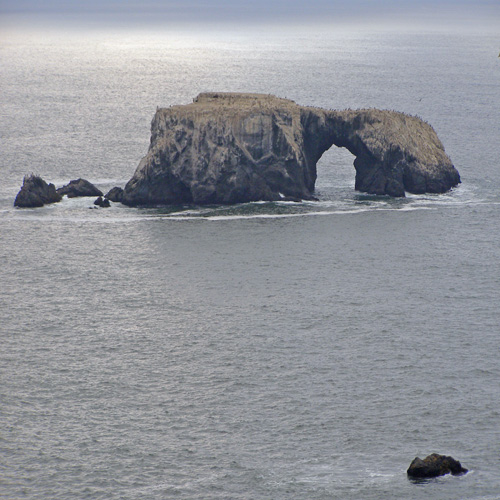
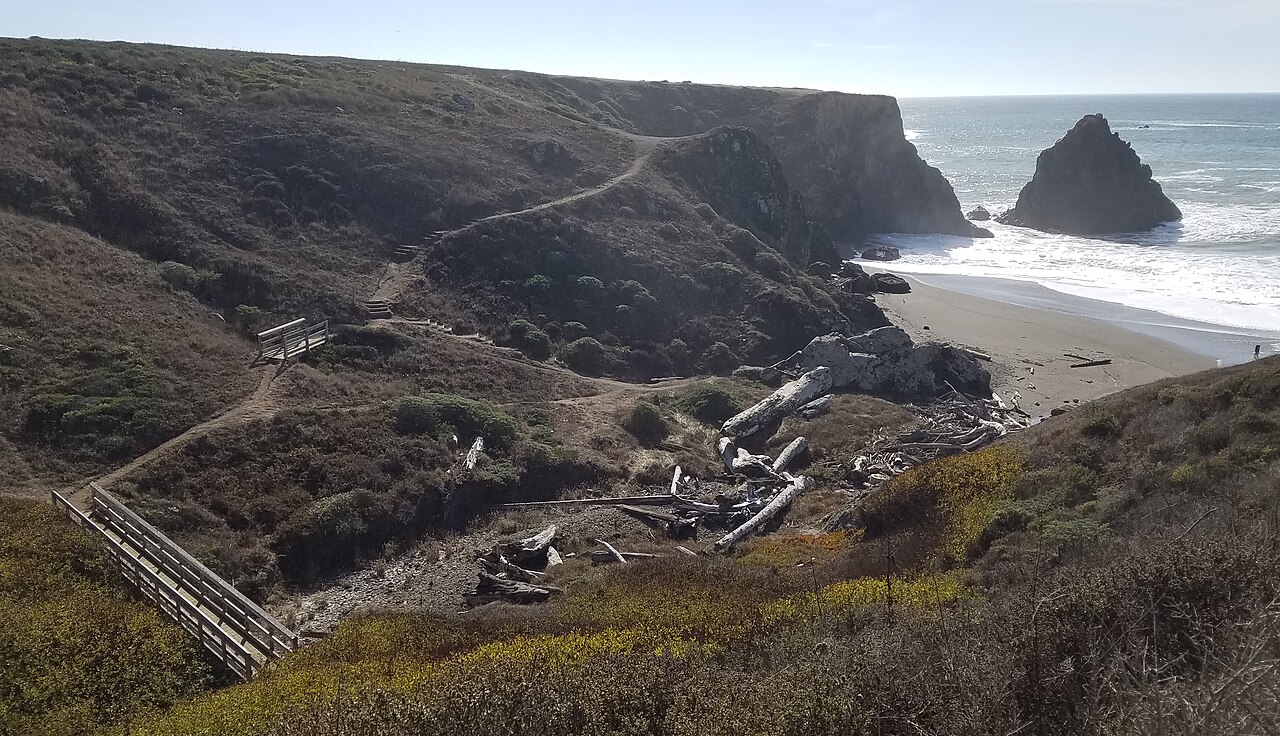
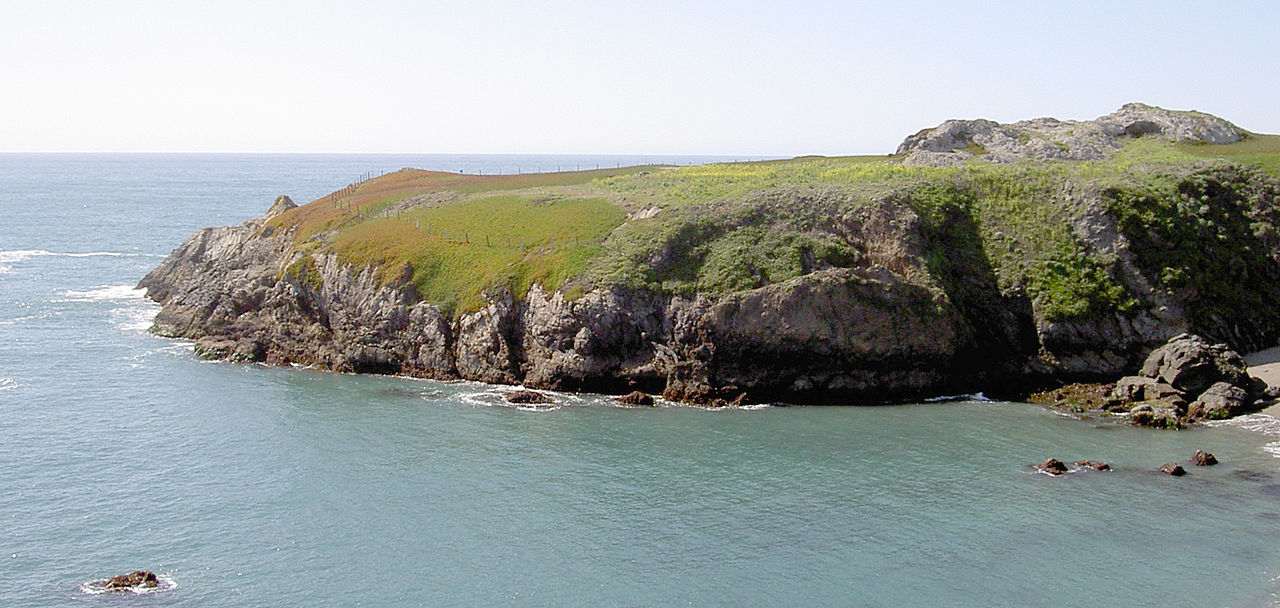
Sonoma Coast State Beach is a largely undeveloped band of shoreline on the Pacific coast of northern California managed by California State Parks as part of Sonoma Coast State Park. The protected corridor extends roughly 17 miles (about 27 km) along the coast from near Bodega Head northward to just beyond Goat Rock, and includes multiple named beaches, headlands and sea stacks. The coastal setting alternates between broad sandy beaches, rocky headlands, eroded arches and steep vegetated bluffs and supports a range of marine and coastal plant communities.
Image gallery
9 Images




Geography and notable places
The coastline contains numerous named beaches and features, including Arched Rock Beach, Jenner Beach, Blind Beach, Goat Beach and Goat Rock Beach. Jenner, a small settlement near the mouth of the Russian River, is a common access point for the northern portion of the park. Sea cliffs, tidepool benches and exposed rock formations are characteristic; seasonal streams and the mouths of small rivers and creeks create temporary estuarine areas where freshwater meets the ocean.
Geology and ecology
The Sonoma Coast exhibits coastal geomorphology typical of the northern California shore: wave‑cut benches, rocky headlands and localized sand deposits. Exposed bedrock, sandstone and conglomerates are sculpted by persistent surf and wind. Intertidal zones support diverse tidepool communities, including anemones, sea stars, crab species and marine algae, while offshore waters host fish, harbor seals and transient populations of sea lions. Migratory whales, particularly gray whales, can be seen from the bluffs during seasonal migrations. Coastal bluff scrub, dune grasses and native wildflowers occur above the high tide line and provide habitat for shorebirds and small mammals.
Recreation
Common activities include walking and photography, tidepooling at low tide, birdwatching, beachcombing and fishing from shore where permitted. The shoreline offers scenic viewpoints and short spur trails from Highway 1; some beaches require steep descents. Seasonal whale migrations and spring wildflower displays draw visitors. Because facilities are limited in many stretches, visitors should plan ahead for parking, restroom access and conditions.
Safety and conservation
Ocean conditions along the Sonoma Coast can be hazardous. Cold water temperatures, powerful surf, strong rip currents and sneaker waves make swimming unsafe at many locations; Goat Beach is widely regarded as especially dangerous for swimming and inexperienced surfers. Visitors should remain well back from cliff edges, obey posted warnings and avoid turning their backs on the surf when near the water. The park encourages Leave No Trace practices to protect fragile dune systems, nesting shorebirds and tidepool organisms. Seasonal closures and protections may apply in areas with nesting birds or sensitive habitat.
History and cultural significance
The Sonoma Coast has long been inhabited and used by Indigenous communities, including Coast Miwok and Pomo peoples and other local tribes, who relied on marine resources and seasonal harvesting. European settlement brought ranching, fishing and small coastal industries; later state acquisition aimed to conserve scenic shoreline, natural habitat and public access. The coast has been the site of well‑publicized incidents and events that are sometimes noted in accounts of the area, and local historical resources document changes in land use and stewardship over time.
Access, management and resources
Access is typically from viewpoints, pullouts and trailheads off State Route 1. Management and visitor information are provided by California State Parks and local visitor centers; conditions such as tide extent, weather and trail closures change seasonally, so checking current advisories before a visit is recommended. Commercial services and campgrounds exist in nearby towns and park units, but much of the shoreline remains undeveloped and requires careful trip planning.
Further information and links
- Overview of Sonoma coast beaches
- Sonoma County visitor information
- California State Parks official resources
- Pacific Coast geography and context
- Goat Rock Beach and local details
- Jenner and Russian River access
- Surf and water safety guidance
- Local community and cultural organizations
- Youth camp and outdoor education resources
- Public safety and incident reporting
- Historical reports and background notes
This article provides a general, encyclopedic summary of Sonoma Coast State Beach. For detailed trip planning, tide tables, current advisories, trail maps and seasonal restrictions consult official park pages and local authorities before visiting.
Related articles
Author
AlegsaOnline.com Sonoma Coast State Beach Leandro Alegsa
URL: https://en.alegsaonline.com/art/91899
Sources
- lotsafunmaps.com : "Whale Point and Goat Beach, Jenner Fun Maps Lotsa Fun Maps"
- abclocal.go.com : "Jenner Beach murders still unsolved"