
Goat Rock Beach (Sonoma Coast, California)
Coastal headland and recreational beach at the mouth of the Russian River in Sonoma County; noted for its offshore rock, marine wildlife, strong currents and scenic views.
Goat Rock Beach is a well-known stretch of coastline on the northern California shore of the Pacific Ocean, positioned at the mouth of the Russian River in Sonoma County. It forms part of the larger Sonoma Coast State Beach and is managed as public land by the State of California. The site combines a broad sand beach, a prominent offshore sea stack known as Goat Rock, and a mix of exposed headlands and dunes that make it a striking destination for visitors and naturalists.
Image gallery
8 Images




Geography and physical features
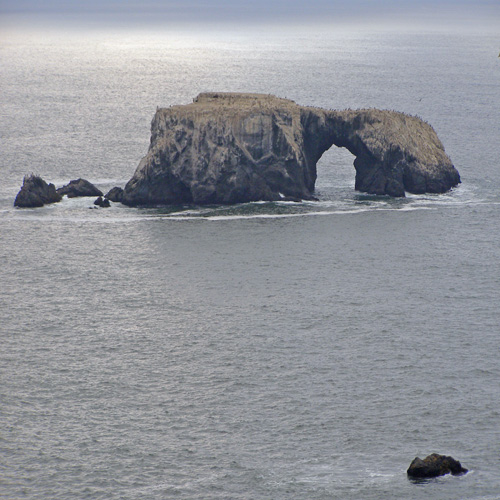
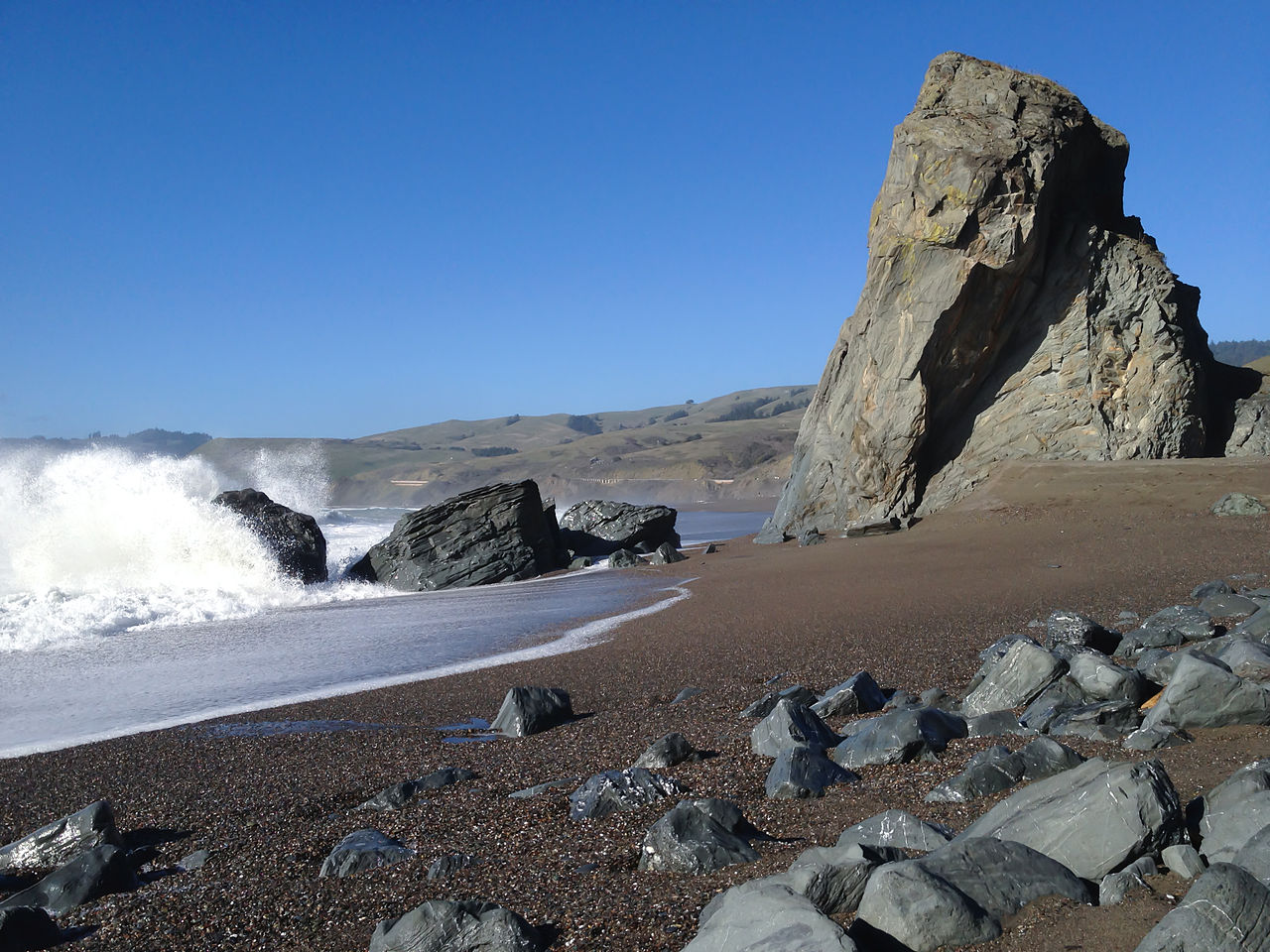
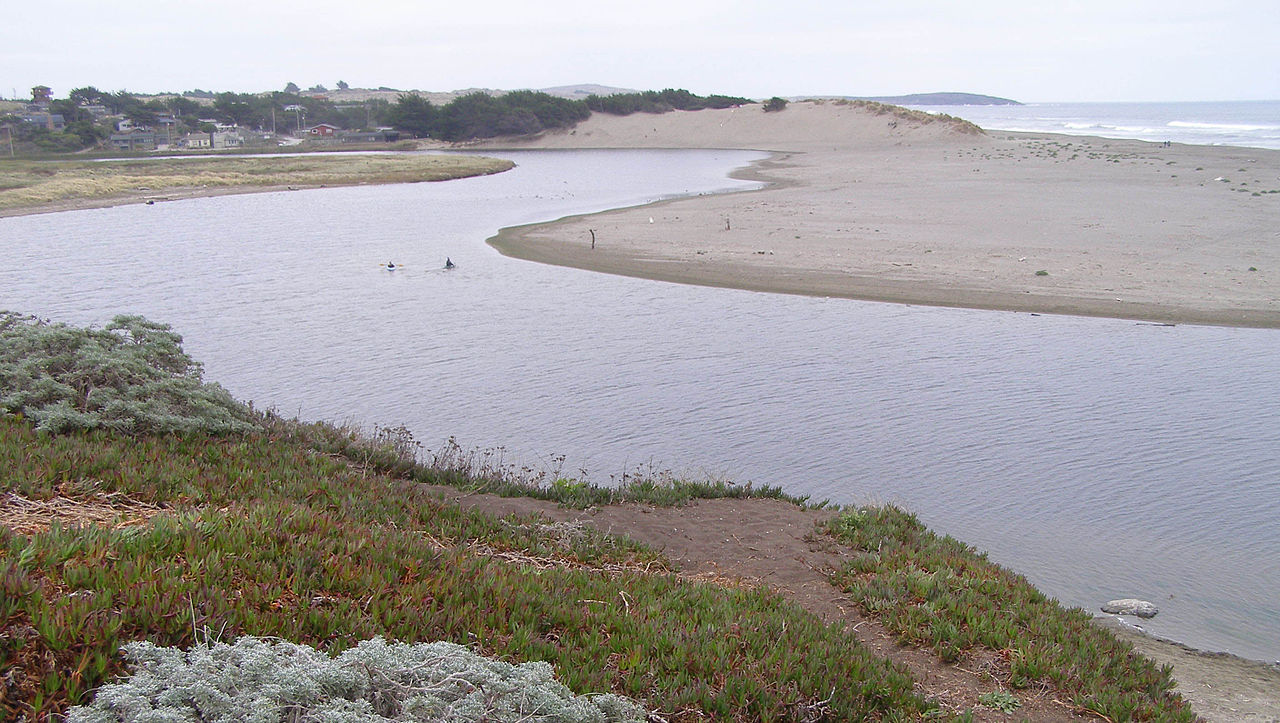
The beach sits where the Russian River empties into the Pacific, producing dynamic sandbars and often strong tidal currents. Goat Rock, the flat grassy islet that gives the beach its name, lies near the southern end of the beach and is a distinctive geologic feature visible from the shore. Coastal erosion, wave energy, and periodic river flows continually reshape the shore and the sand formations around the river mouth, which affects where people can safely walk or enter the water.
Wildlife and conservation
Goat Rock Beach and adjacent waters support a variety of marine and shore species. Common sightings include gulls, shorebirds, and harbor seals; sea lions may also be seen offshore or on nearby rocks. The area is part of coastal habitats important for feeding, resting, and breeding for some animals. Because marine mammals and some shorebirds are protected, visitors are asked to keep a respectful distance and follow posted seasonal restrictions to reduce disturbance.
Recreation and safety
The beach attracts swimmers, surfers, photographers and hikers. Surf conditions can be favorable for experienced surfers, but rip currents and cold water temperatures are persistent hazards. There are no guarantees of lifeguard service year-round, and emergency response can be slower in remote stretches of the Sonoma Coast. Visitors are advised to check local advisories, avoid entering the water in strong current or high surf, and take basic safety precautions such as staying with companions and keeping children and pets well supervised.
History and naming
The origin of the name "Goat Rock" is not conclusively documented. Local accounts and several historical references suggest that around the turn of the 20th century goat herders used the prominent flat rock to hold goats, or that early observers associated the site with feral or managed goats because the rock’s grassy surface provided a brief grazing spot. Over time the name came to denote both the rock formation and the adjoining beach.
Access, management and further information
As part of Sonoma Coast State Beach the area is administered by state park authorities. Facilities are generally limited and the coastline is managed to balance public access with conservation priorities. Visitors seeking current conditions, trail access, parking information, tide warnings or wildlife advisories should consult official resources before traveling.
Resources
- Goat Rock Beach general information
- Sonoma County informational resources
- United States federal coastal information
- Sonoma Coast State Beach
- State of California official pages
- Russian River mouth details
- Russian River watershed information
- Goat Rock formation notes
- Historical references and local histories
- Early herding and agricultural context
- Early 20th-century regional history
- Local fauna and comparative species
- Seasonal visitor patterns and peak months
- Swimming advisories and water safety
- Surfing conditions and guidelines
- Harbor seal information
- Sea lion observations and protections
- Pacific Ocean ecosystem context
Questions and answers
Q: Where is Goat Rock Beach located?
A: Goat Rock Beach is located in Sonoma County, California, United States.
Q: Who owns Sonoma Coast State Beach?
A: The State of California owns Sonoma Coast State Beach.
Q: What is in the northern part of Goat Rock Beach?
A: The mouth of the Russian River is in the northern part of Goat Rock Beach.
Q: What is in the southern part of Goat Rock Beach?
A: Goat Rock is in the southern part of Goat Rock Beach.
Q: How did Goat Rock Beach get its name?
A: Goat Rock Beach got its name from a grassy, flat rock that was used by goat herders for their goats in the early 20th century.
Q: What animals can be found at Goat Rock Beach?
A: Seagulls, harbor seals, and sea lions, as well as other animals from the Pacific Ocean, can be found at Goat Rock Beach.
Q: What activities are popular at Goat Rock Beach?
A: Swimming and surfing are popular activities at Goat Rock Beach due to its popularity among visitors.
Related articles
Author
AlegsaOnline.com Goat Rock Beach (Sonoma Coast, California) Leandro Alegsa
URL: https://en.alegsaonline.com/art/39359
Sources
- baynature.com : Doris Sloan, Goat Rock State Beach, Bay Nature, July-September, 2001
- californiacoastline.org : Aerial photo of Goat Rock with Goat Rock Beach at left
- metroactive.com : Metroactive Readers' Poll for Best of Sonoma County
- thegoonies.org : Locations for Filming of The Goonies