
Sonoma County, California — geography, history, economy, and highlights
Overview of Sonoma County: location in the northern San Francisco Bay Area, geography and borders, history since 1850, wine and agriculture, major cities and parks, economy, and notable facts.
Sonoma County is a coastal and inland county in the U.S. state of California. It lies north of the San Francisco Bay and is the northernmost of the nine counties commonly counted as the San Francisco Bay Area. The county seat is Santa Rosa, which serves as the regional civic, medical and commercial center. Sonoma County combines agricultural valleys, forested hills and a rugged Pacific coastline; its landscape and climate make it one of California’s better known wine‑growing regions.
Image gallery
10 Images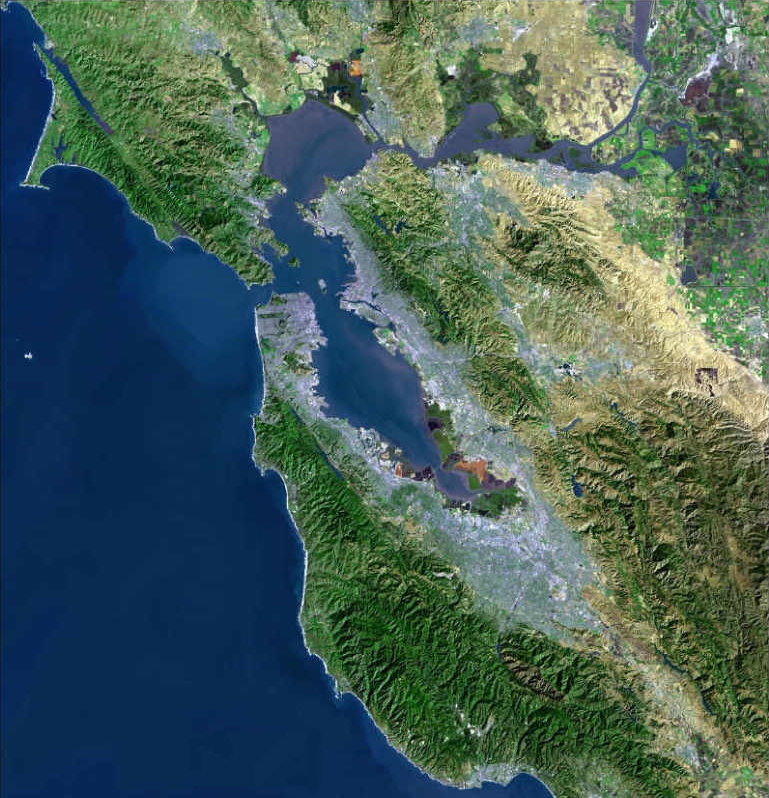


Geography and natural features
Stretching from the Pacific coast inland to the Mayacamas and Sonoma Mountains, Sonoma County includes river valleys such as the Russian River and numerous small lakes and estuaries. It shares land borders with Marin County to the south, Mendocino County to the north, Lake County to the northeast, and Napa County to the east. The mix of coastal influence, hills and valley floors produces a range of microclimates that support grapes, dairy, orchards and timber. Protected areas include coastal state parks, redwood groves and regional preserves.
History and development
The area that became Sonoma County was home to several Indigenous peoples before European contact. Following Spanish and Mexican periods in the region, Sonoma County was one of the original California counties established after statehood in 1850. Over the 19th and 20th centuries the county developed through ranching, agriculture and later viticulture and tourism. Growth concentrated around river valleys and rail and highway corridors, with Santa Rosa emerging as the principal urban center.
Economy, agriculture and culture
Viticulture and winemaking are central to the county’s identity: Sonoma Valley, Russian River Valley and other American Viticultural Areas (AVAs) produce a wide variety of wines. Beyond grapes, the local economy includes diversified agriculture (vegetables, fruit, dairy), hospitality and tourism, arts and a growing technology and service sector linked with the broader Bay Area. Culinary events, wine tastings, farmers markets and craft food producers are important cultural and economic draws.
Cities, parks and visitor highlights
Major cities and towns include Santa Rosa, Petaluma, Healdsburg, Sebastopol and Sonoma. Visitors and residents find attractions such as historic downtowns, tasting rooms, gallery districts and miles of coastline. Notable natural destinations include redwood groves, the Sonoma Coast State Park and the Russian River corridor. Transportation links include U.S. Route 101 as a primary north–south highway and a regional airport near Santa Rosa.
Notable facts and modern challenges
Sonoma County plays a prominent role in California’s wine industry and is part of the North Bay subregion of the Bay Area. Its mixture of rural and suburban communities supports a diverse quality of life, but the county also faces challenges common to the region: wildfire risk in dry seasons, development pressure in valley floors, and recovery from major fire events that have affected communities and infrastructure in recent decades. Emergency planning, watershed protection and fire‑resilient land management are ongoing priorities.
Further reading and resources
Related articles
Author
AlegsaOnline.com Sonoma County, California — geography, history, economy, and highlights Leandro Alegsa
URL: https://en.alegsaonline.com/art/91900
Sources
- counties.org : "Chronology"
- peakbagger.com : "Cobb Mountain-Southwest Peak"
- quickfacts.census.gov : "Sonoma County QuickFacts"
- census.gov : "Population and Housing Unit Estimates"
- bayareavision.org : "San Francisco Bay Area Vision Project"
- abag.ca.gov : "The Association of Bay Area Governments"
- counties.org : "California County Map"
- sonomacounty.com : "Cities of Sonoma County"