
Słopnice: village and administrative seat in southern Lesser Poland
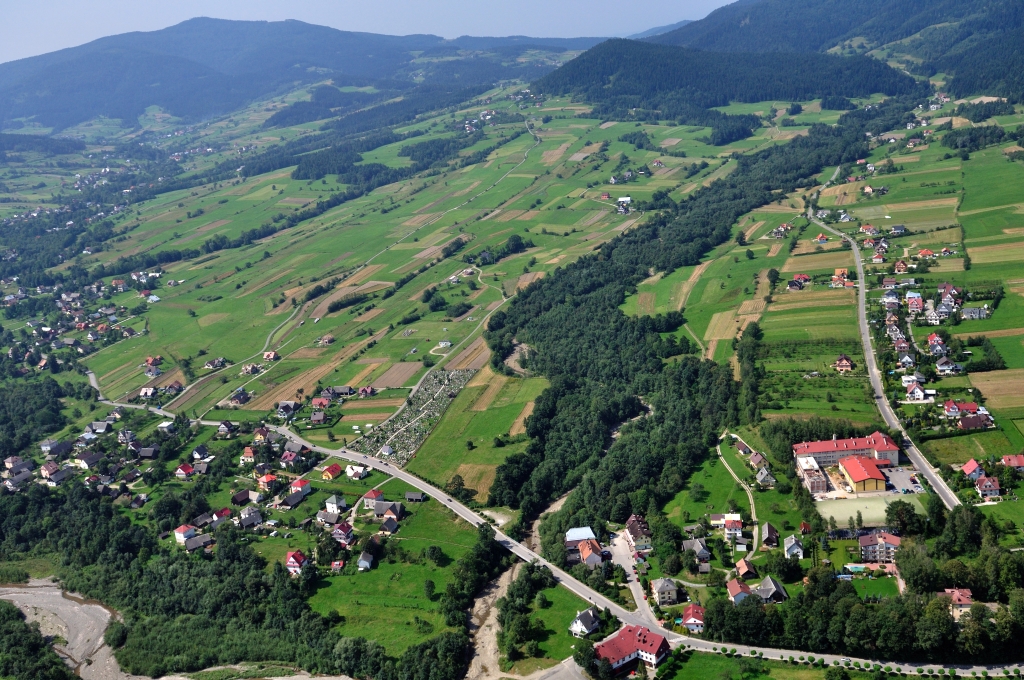
Słopnice is a village in southern Poland, the seat of Gmina Słopnice in Limanowa County, Lesser Poland Voivodeship, located near Limanowa and about 50 km southeast of Kraków.
Słopnice (Polish pronunciation: [swɔpˈnit͡sɛ]) is a village and the administrative center of Gmina Słopnice in southern Poland. The settlement functions as the seat of local municipal government and is commonly referenced in regional descriptions of Limanowa County. For administrative details and maps see the village entry: Słopnice.
Image gallery
7 Images


Location and administrative status
Słopnice lies within Limanowa County, Lesser Poland Voivodeship, a historic and administrative region in southern Poland. It is positioned roughly 6 kilometres west of the town of Limanowa and about 50 kilometres south‑east of the regional capital, Kraków. The village serves as the seat of the gmina (municipal district), which means it hosts local council offices and basic public services for surrounding settlements.
Landscape and built environment
The area around Słopnice is typical of the southern Polish uplands, with rolling hills, mixed fields and patches of forest. Built features generally include a mix of residential homes, agricultural buildings and communal facilities. Transport connections are oriented toward Limanowa and larger regional routes that lead to Kraków and neighboring towns.
Common local institutions and amenities found in communities like Słopnice include:
- municipal offices and basic administrative services;
- primary schools and community centers supporting cultural activities;
- local shops, small businesses and agricultural enterprises;
- volunteer public-service organizations and parish life.
These elements combine to support daily life for residents and shape local identity. Economic activity is often a mix of agriculture, service trades and commuting to nearby towns for employment.
Historically, settlements in Lesser Poland developed as part of medieval and early modern regional structures; while specific archival details vary by village, Słopnice shares the broader historical and cultural heritage of the region. Today it is a modest local center whose role is administrative and communal rather than urban, and it functions as a point of connection between rural surroundings and the larger urban network centered on Limanowa and Kraków.
Related articles
Author
AlegsaOnline.com Słopnice: village and administrative seat in southern Lesser Poland Leandro Alegsa
URL: https://en.alegsaonline.com/art/91950