
Slag (byproduct of iron and steelmaking)
An overview of slag: its formation during metalmaking, composition and types, industrial uses (cement, concrete, mineral wool, aggregates), environmental aspects and historical development.
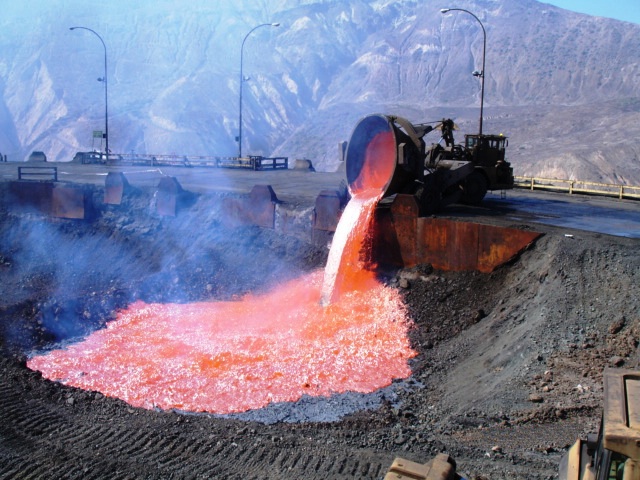
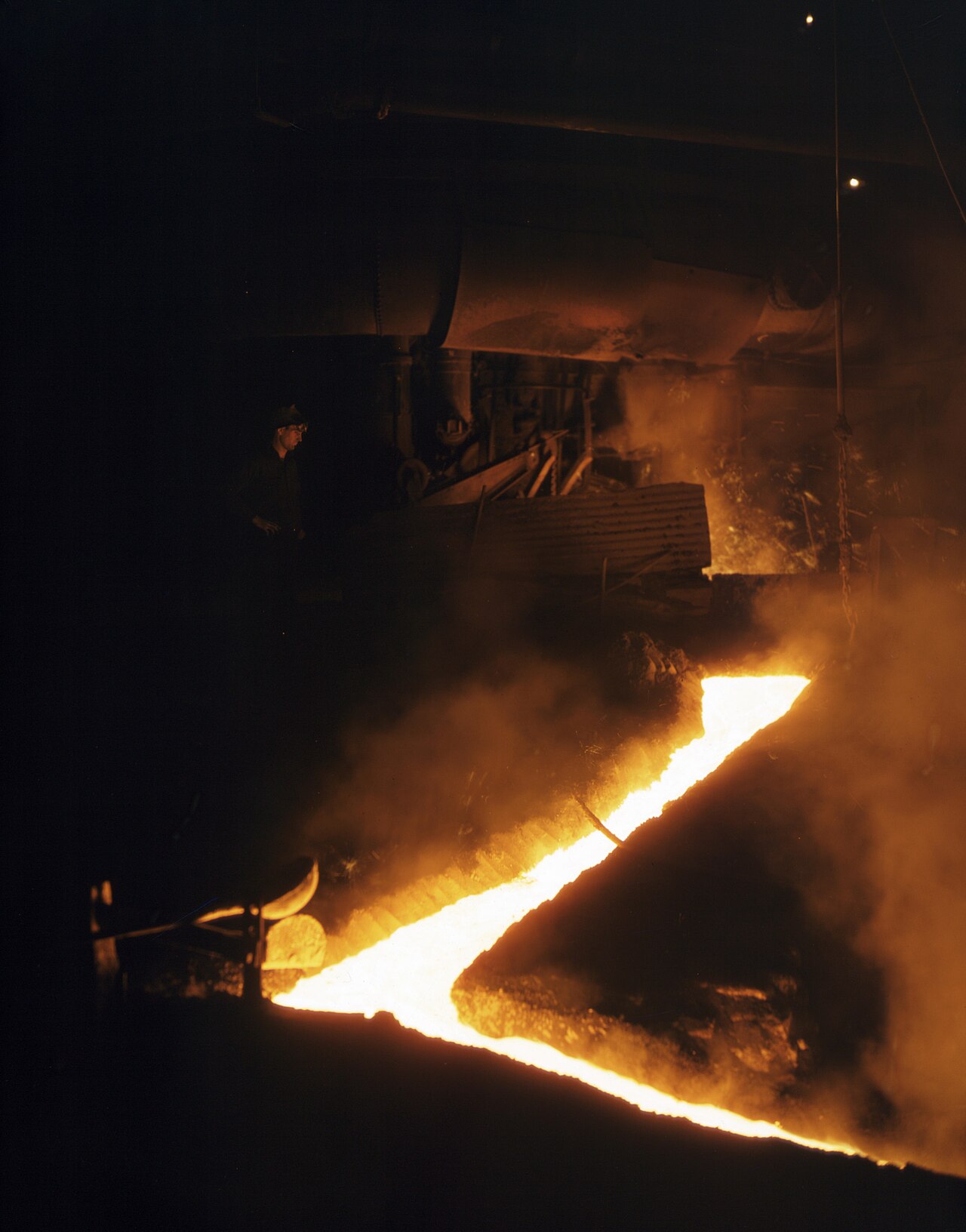
Slag is the nonmetallic byproduct formed during the smelting and refining of ores, most commonly during iron and steel production. It is a complex mixture dominated by oxides such as calcium silicate and other silicates. In primary ironmaking, silica and other impurities are removed from pig iron by reacting them with fluxes to form a molten slag that separates from the heavier metal, allowing it to be drained away.
Image gallery
10 Images




Composition and formation
The precise chemistry of slag varies with the ore, furnace and fluxes used, but typical constituents include calcium oxide (lime), silicon dioxide, alumina and magnesia. In a blast furnace, added lime reacts with silica in the charge to produce a liquid calcium silicate phase that is less dense than molten iron, permitting separation. Slags formed in steelmaking or from other metals can contain additional oxides and trace elements depending on process conditions and feedstocks.
Types and production processes
- Blast-furnace slag: produced during pig iron making; molten slag can be granulated by quenching in water to form a glassy powder or cooled slowly to form crystalline slag.
- Steelmaking slag: comes from basic oxygen or electric-arc furnaces and has different composition and physical properties.
- Specialty slags: from non-ferrous smelting or ferroalloy production, often handled and processed for metal recovery or specific industrial uses.
For more detail on ironmaking and the separation of slag from metal, see ironmaking processes and on the role of the blast furnace, consult blast furnace operations.
Industrial uses and benefits
Processed slag is an important industrial material. Ground granulated blast-furnace slag (GGBFS) is used as a cementitious supplement in concrete, improving durability, reducing permeability and often lightening the final color relative to ordinary Portland cement. It is blended into cements or used as a partial cement replacement to lower embodied CO2. Slag aggregate is valuable in road construction, backfill and ballast, while granulated slag can be fibrated or spun into mineral wool insulation by blowing air through molten material.
Other uses include soil conditioning in some agricultural settings, raw material for cement manufacture, and as a source for recovering metals where economically viable. See examples of concrete applications at slag in concrete.
Environmental considerations and history
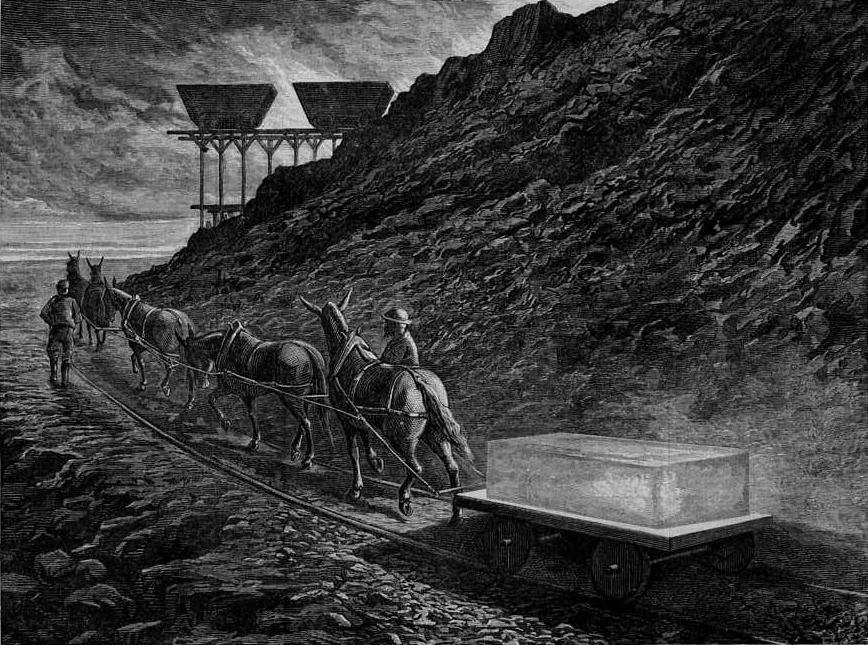
Historically, slag has been produced wherever large-scale smelting occurred and was once regarded primarily as waste. Modern practice increasingly views slag as a resource, but environmental management is important: slag chemistry can include trace metals and sulfides, so leaching tests and appropriate handling are required to avoid soil or water impacts. Beneficial reuse of slag reduces demand for virgin materials and can lower greenhouse-gas intensity in construction when it replaces some Portland cement.
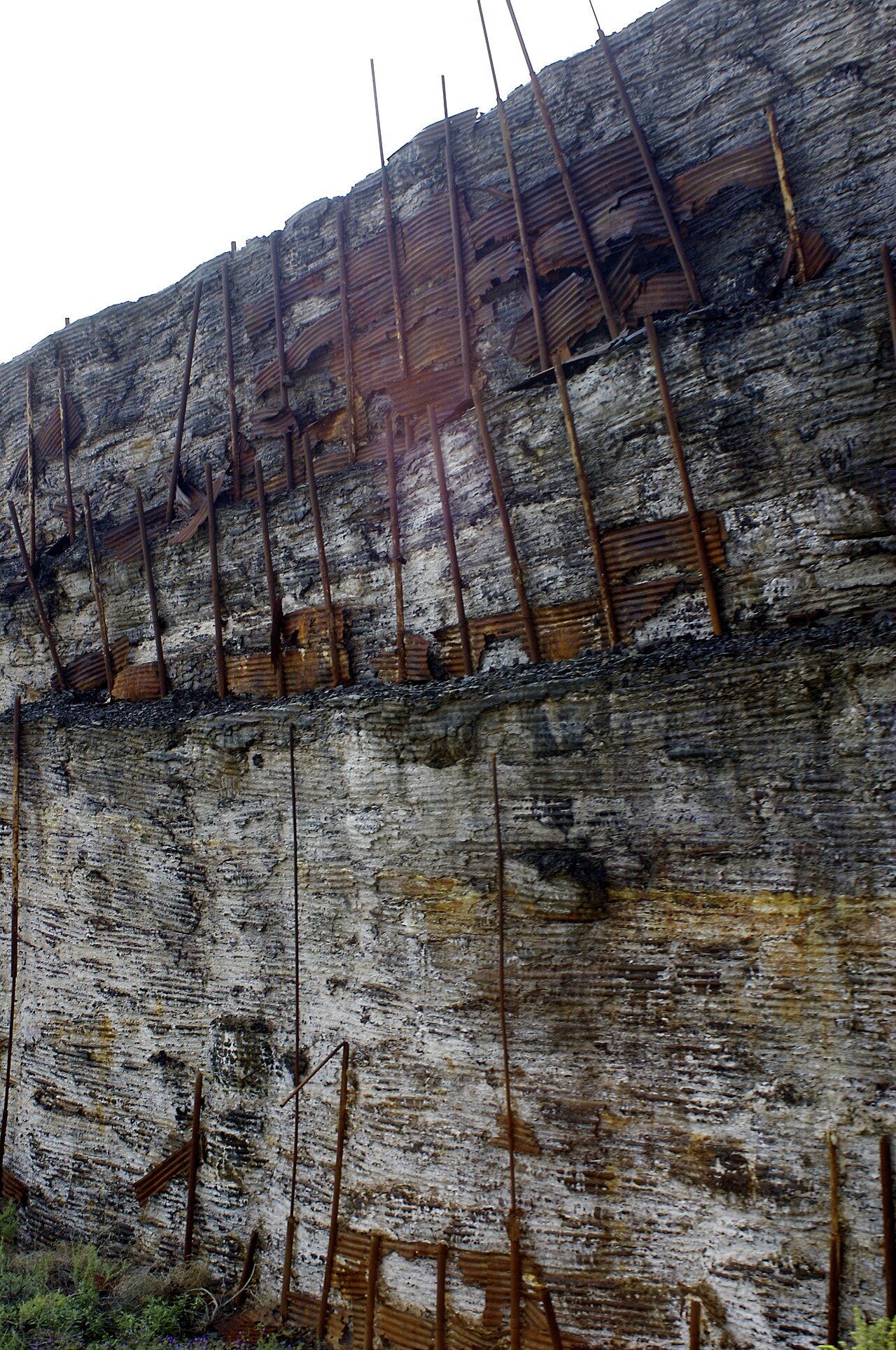
Notable distinctions: slags vary widely in appearance and properties — from glassy granules to dense crystalline slags — and are classified by origin and treatment. Their suitability for a given application depends on composition, physical form and any necessary environmental controls.
Related articles
Author
AlegsaOnline.com Slag (byproduct of iron and steelmaking) Leandro Alegsa
URL: https://en.alegsaonline.com/art/91025