
Skyros
Skyros is the southernmost island of the Sporades in the Aegean Sea, known for its historic Chora, the small Skyrian horse, traditional crafts, archaeological remains and a Hellenic Air Force base.
Overview
Skyros is a Greek island located off the eastern coast of Greece. It is the southernmost member of the Sporades archipelago and lies in the Aegean Sea. At about 209 square kilometres it is the largest island of the Sporades. The island supports a small permanent population — roughly three thousand residents by the 2011 census — alongside seasonal visitors; see local population data for official figures. A Hellenic Air Force base is located on Skyros, reflecting the island's strategic position in the central Aegean.
Image gallery
10 Images





Geography and settlements
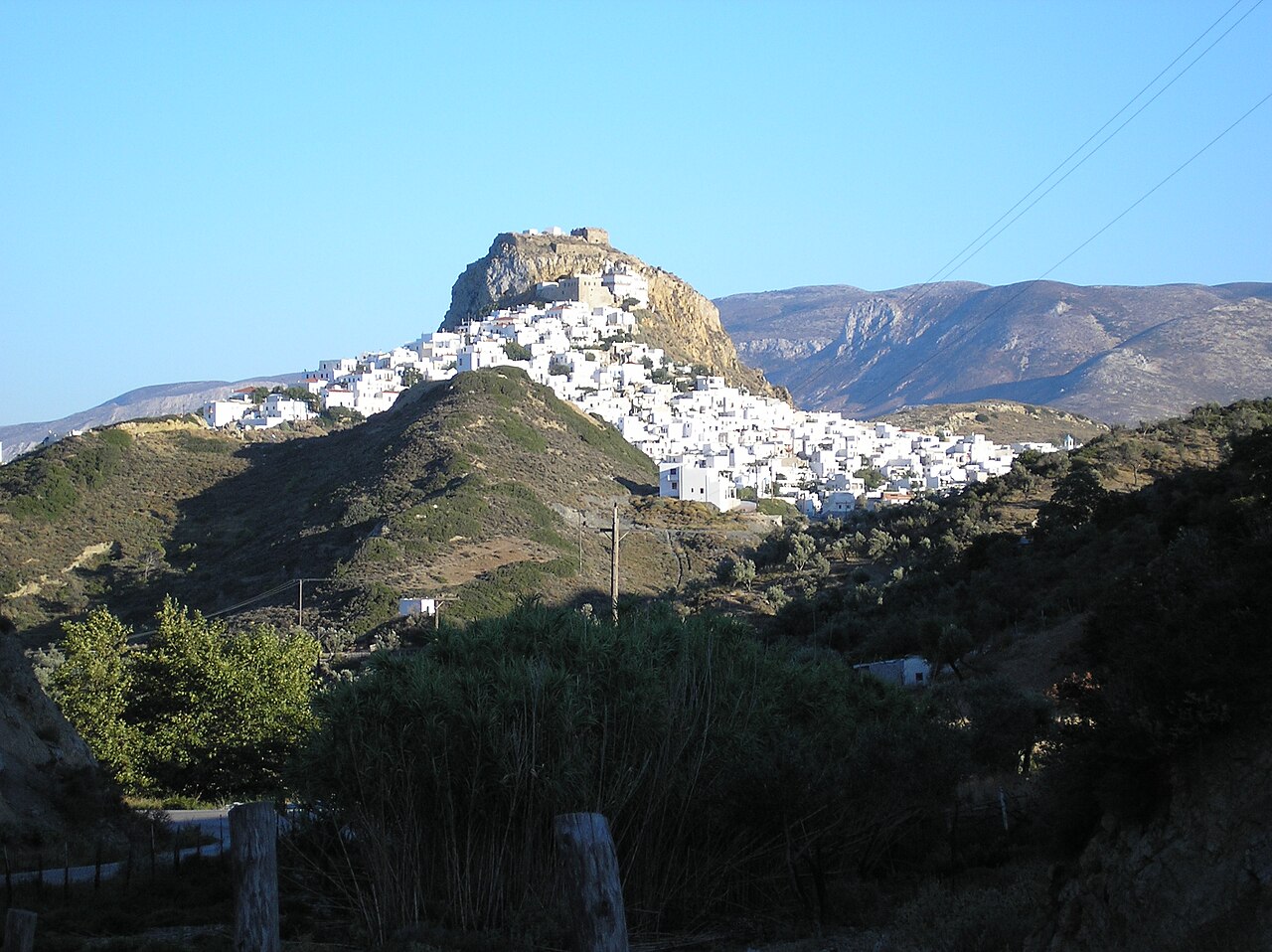
Terrain on Skyros ranges from low mountains and rocky ridges to sheltered bays and pockets of sandy beach. The principal town, commonly called Chora or Skyros Town, perches on a hillside and contains a compact medieval quarter, narrow streets and traditional stone houses. Smaller villages and coastal settlements are distributed around the island, many retaining agricultural and fishing livelihoods. The island's climate is Mediterranean, with hot, dry summers and mild, wetter winters.
History
Skyros has a long history of habitation. In the late Bronze Age and early Iron Age it appears in classical sources under earlier names and associations: it was known at times as the "Island of the Magnetes," and later as Pelasgia and Dolopia. References to these older names date back to the 2nd millennium BC and subsequent centuries. Throughout classical, Byzantine and later periods the island participated in regional maritime networks, while preserving distinct local customs and place names.
Archaeology and heritage
Archaeological discoveries on Skyros include remains from prehistoric, classical and Byzantine eras. Excavated sites and surface finds attest to long continuity of settlement, local cemeteries and small sanctuaries; some finds are displayed in regional museums. Traditional architecture in the Chora — narrow lanes, whitewashed houses and a fortified high quarter — contributes to the island's cultural character and attracts visitors interested in historic streetscapes.
Nature, fauna and unique breeds
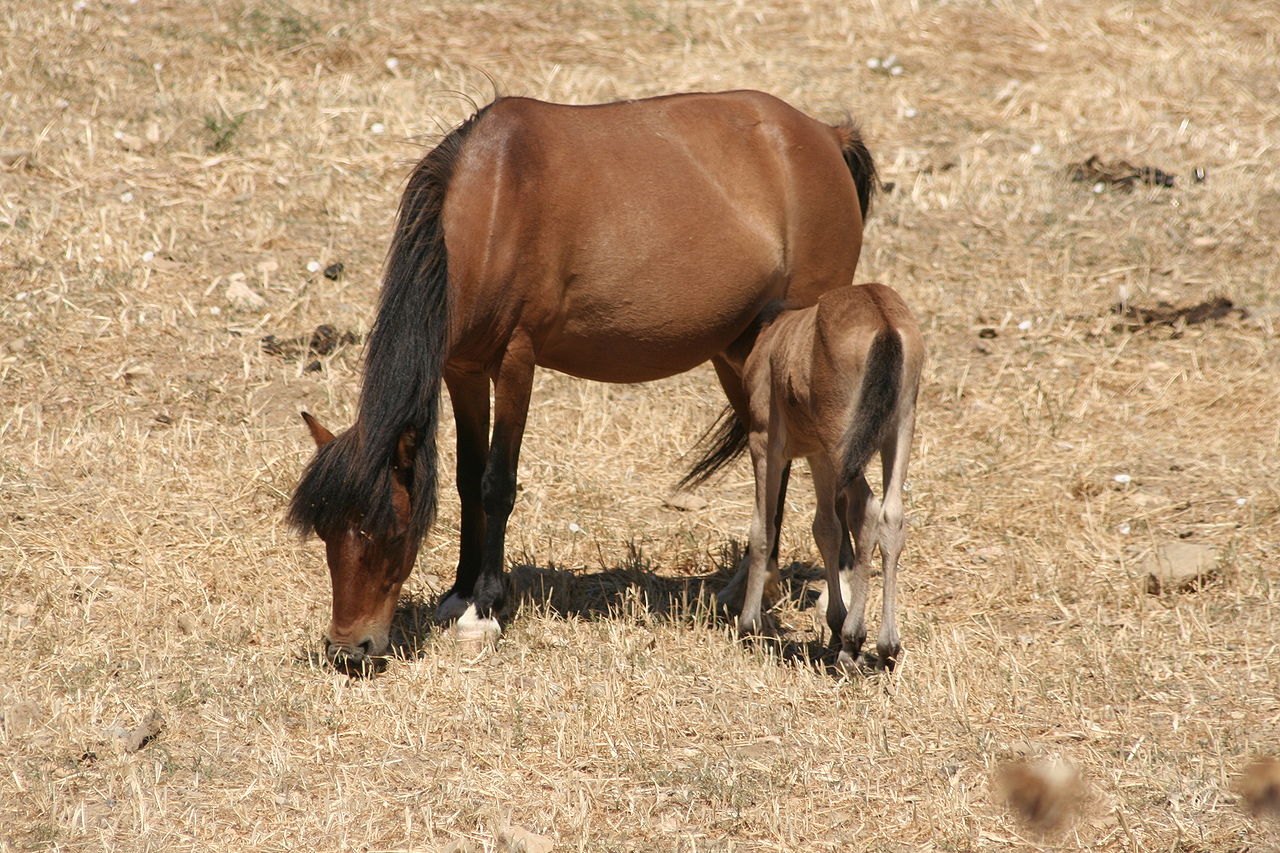
The island's vegetation includes olive groves, maquis shrubs and scattered pine stands. Skyros is noted for a small, indigenous equine, the Skyrian or Skyros horse, a diminutive breed traditionally associated with local shepherding and island life. Coastal waters and rocky shores host typical Aegean marine life and seabird colonies; terrestrial fauna is characteristic of the eastern Aegean islands.
Culture, economy and events
Local economy rests on a mix of agriculture (olives, fruit, small-scale farming), fishing, handicrafts and tourism. Skyros has a reputation for traditional woodcarving, weaving and folk festivals. Religious feast days and summer cultural events preserve regional music, dance and culinary traditions, and draw visitors seeking an experience of island community life.
Notable connections and tourism
Skyros is known in literary history as the burial place of the English poet Rupert Brooke, commemorated as a British poet of the First World War. Tourism on the island is oriented toward quieter, low-density stays: beaches, hiking, cultural visits to the Chora and local museums. Transport links include regular and seasonal ferry connections to mainland ports and neighboring islands; schedules vary by season and weather.
Quick facts
- Location: island off the coast of Greece in the central Aegean.
- Archipelago: part of the Sporades, southernmost among them (southernmost).
- Area: approximately 209 km².
- Population: roughly 3,000 permanent residents (2011 census; see population data).
- Distinctive fauna: home to the small Skyrian horse and typical Aegean flora and fauna.
- Military: hosts a Hellenic Air Force base due to its central Aegean location.
Researchers, visitors and those interested in island cultures will find Skyros combines archaeological interest, living traditions and natural scenery. Practical travel information, ferry timetables and local services change periodically; consult local authorities or official sources before planning travel.
Related articles
Author
AlegsaOnline.com Skyros Leandro Alegsa
URL: https://en.alegsaonline.com/art/91009
Sources
- cycladia.com : "Skyros Travel Guide"
- centenarynews.com : "Rupert Brooke exhibition opens in Skyros, Greece"
- commons.wikimedia.org : Skyros