
Rupert Brooke (1887–1915)
English poet remembered for idealistic First World War sonnets—especially "The Soldier"—and for his classical style, early death in 1915, and influence on how the war was first imagined in British verse.
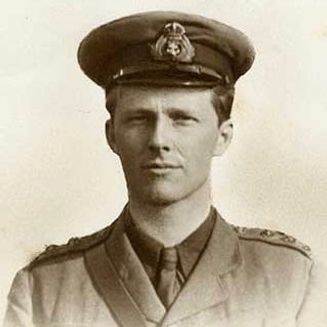
Rupert Chawner Brooke (3 August 1887 – 23 April 1915) was an English poet whose youthful fame rests largely on a small group of patriotic sonnets written at the outbreak of the First World War. He became an emblem of pre‑war idealism: handsome, classical in manner, and celebrated for the lyrical clarity of works such as "The Soldier". His short life and early death helped to fix his popular reputation as a romantic figure.
Image gallery
10 Images




Style and themes
Brooke's verse is marked by formal control, polished diction and a fondness for classical references. His war poems express a confident, almost pastoral patriotism rather than the trench realism that later defined First World War literature. Thematically he explored sacrifice, homeland, nature and the nobility of dying for country—qualities that made his sonnets widely read and sometimes used to sustain morale during the war's early months. Critics often contrast his idealism with the later, harder voices of combatants.
Life and development
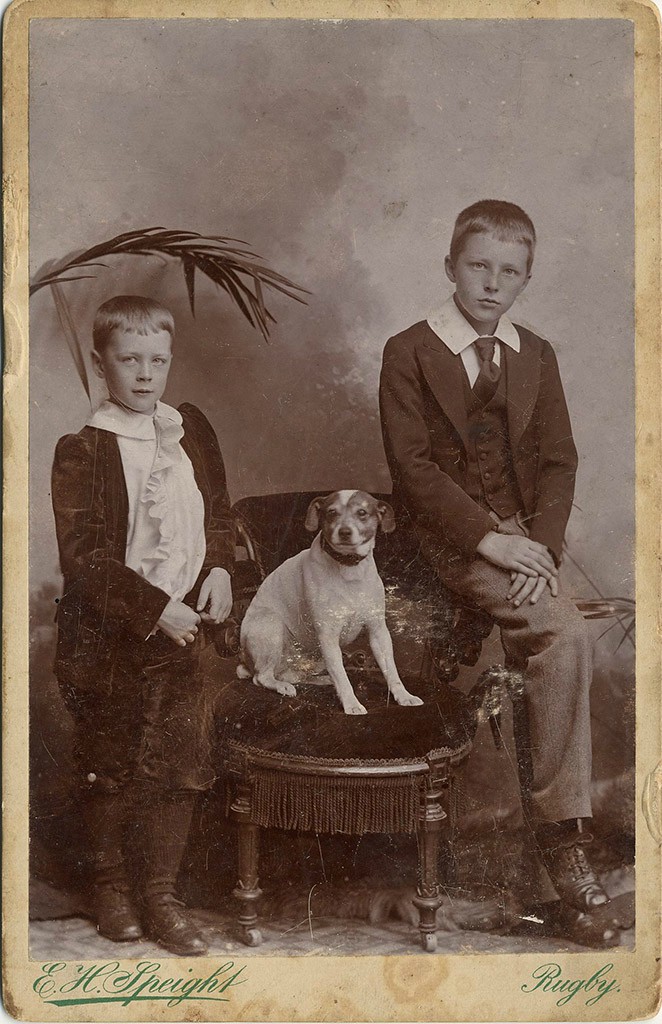
Born in Rugby and educated at King's College, Cambridge, Brooke moved in literary and intellectual circles associated with Cambridge and London. His extended poem The Old Vicarage, Grantchester celebrates the English countryside and the village near Cambridge where he spent much time. When war began he enlisted with the Royal Naval Division and sailed with its troops; he died en route to the Gallipoli campaign after developing septicaemia from an infected insect bite and was buried on the Greek island of Skyros.
Works and reception
- "The Soldier" — the best known of his war sonnets, often anthologized.
- The Old Vicarage, Grantchester — a nostalgic long poem contrasting English demeanor with continental life.
- 1914 and Other Poems — a posthumous collection that gathered his wartime verse.
Brooke's work was widely admired at the time by figures in the literary establishment; W. B. Yeats famously called him "the handsomest young man in England" and praised his charm. However, later assessments tended to emphasize the gap between his idealized vision and the harsher poetry of soldiers who experienced the front directly.
Legacy and notable facts
Brooke remains a key figure in the public memory of the First World War due to the emotional directness of a few famous lines and the dramatic narrative of a promising career cut short. He is often discussed in studies of war poetry and early twentieth‑century literary circles, and his life illustrates how taste and historical perspective can change: once emblematic of patriotic verse, he is now read both for his craft and as a cultural symbol of 1914's optimism. For further reading on his life and poems see a general literary overview here, commentary on wartime verse here, a brief biography here, and discussions of his reception including Yeats's remark here.
Author
AlegsaOnline.com Rupert Brooke (1887–1915) Leandro Alegsa
URL: https://en.alegsaonline.com/art/130183