
2nd millennium BC (c. 2000–1001 BC)
Era between 2000 and 1001 BC marked by the middle and late Bronze Age: state formation, migrations, chariot warfare, alphabetic scripts, and shifts that led toward the Iron Age.
Overview
The 2nd millennium BC spans roughly 2000–1001 BC and covers a major portion of the later Bronze Age. During these centuries a number of long-lived states and regional cultures consolidated power, long-distance trade intensified, and new technologies and social structures spread across Eurasia and North Africa. This period set the foundations for many classical civilizations and witnessed transitions that ultimately prepared large parts of the Old World for the coming Iron Age.
Image gallery
8 Images



Political and cultural landscape
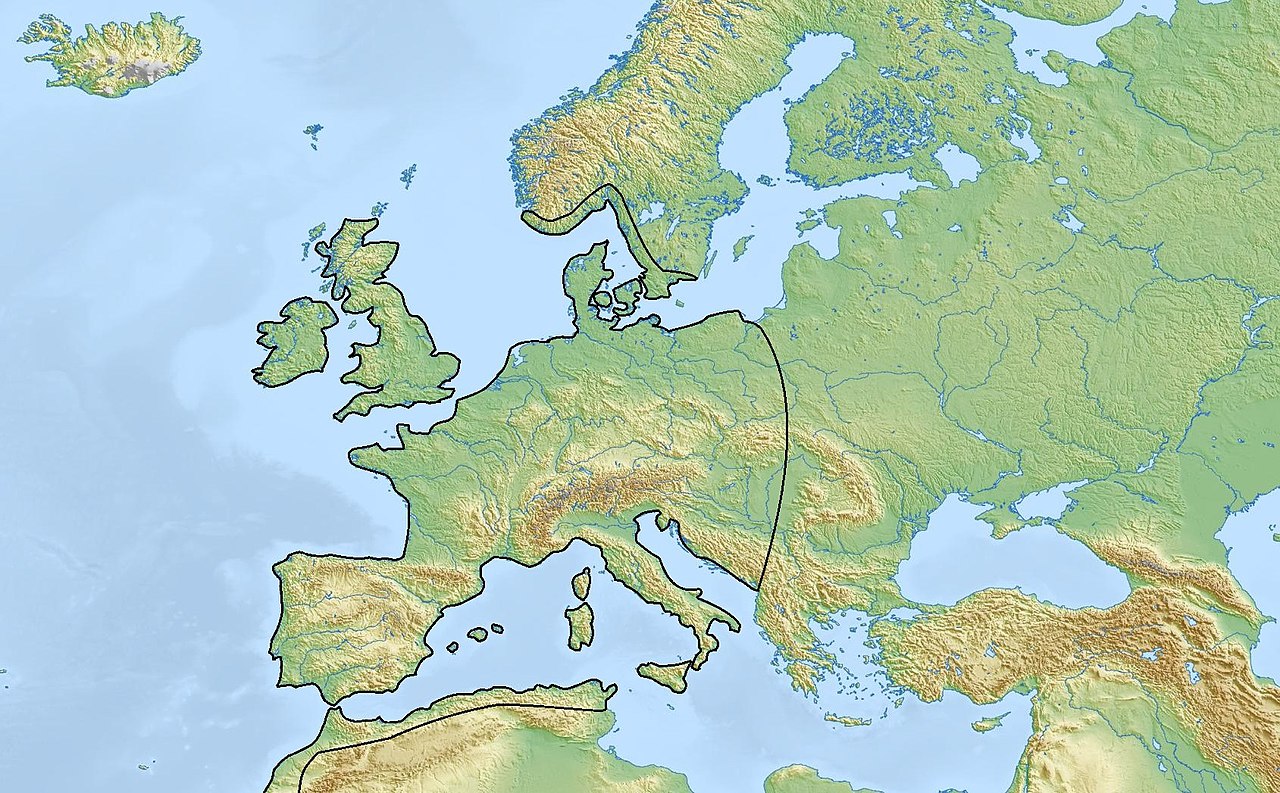
Large polities exercised influence across the Near East and Mediterranean. In Egypt the Middle Kingdom and later dynasties organized extensive administration and monument building (Middle Kingdom). In Mesopotamia, Babylonian dynasties and city-states continued to shape law, literature and economy (Babylonia). In Anatolia and Syria, powerful states such as the Hittites emerged while Aegean societies developed complex palatial centers under Greek cultural influence (Greek, Aegean).
Major developments and technologies
- Metallurgy: Bronze remained the dominant metal for weapons and tools but toward the end of the millennium ironworking began to appear, marking the gradual onset of the Iron Age.
- Transport and warfare: The light two-wheeled chariot transformed battle tactics and mobility, aiding both migration and conquest.
- Writing and communication: Alphabetic forms developed from earlier scripts, simplifying literacy and record-keeping (alphabet).
Migrations, contacts and upheavals
Large-scale population movements shaped linguistic and genetic maps. Groups associated with early Indo-Iranian speech spread onto the Iranian plateau and into the Indian subcontinent, a process linked with technological transfers and cultural change (Indo-Iranian migration, Indian subcontinent). Mid-millennium centuries saw episodes of violent upheaval and shifting alliances as chariot armies, trade rivalries and opportunistic raiding disrupted older orders. By the late 2nd millennium new political arrangements arose, with some regions recovering and others transforming more radically.
Economic and demographic trends
Trade networks expanded across land and sea, connecting the eastern Mediterranean, Anatolia, Mesopotamia and Egypt with raw materials and finished goods. Agricultural intensification, urbanization and craft specialization supported growing population centers. Estimates suggest world population began a steady increase during this era, reaching on the order of tens of millions by 1000 BC (world population).
Legacy and distinctions
The 2nd millennium BC is often treated as the high point of the Bronze Age: complex states, long-distance trade, and advanced material culture characterize much of the period (Bronze Age). Toward the end of the millennium many regions experienced stresses that presaged the transition to the Iron Age and to different political systems. For further reading on principal regional histories and archaeology, see resources on the Middle Kingdom of Egypt (Egypt), Babylonian polities (Babylonia), early alphabetic writing (alphabet), Indo-Iranian movements (Indo-Iranian) and developments in the Indian subcontinent (India), chariotry (chariot), Greek and Aegean societies (Greek, Aegean), the onset of ironworking (Iron Age) and demographic estimates (population).
Questions and answers
Q: What is the time frame of the 2nd millennium BC?
A: The time frame of the 2nd millennium BC is between the years 2000 BC and 1001 BC.
Q: What was happening in the first half of the 2nd millennium BC?
A: In the first half of the 2nd millennium BC, there was a lot of activity by the Middle Kingdom of Egypt and Babylonia. The alphabet was also developing during this time.
Q: What was the Indo-Iranian migration and what did it lead to?
A: The Indo-Iranian migration was when people migrated onto the Iranian plateau and onto the Indian subcontinent. This migration led to the creation and use of the chariot, which was used for chariot warfare and population movements that led to violent changes at the center of the millennium.
Q: What new order emerged during the 2nd millennium BC?
A: During the 2nd millennium BC, a new order emerged with Greek control of the Aegean and the rise of the Hittite Empire.
Q: What significant event marks the end of the 2nd millennium BC?
A: The start of the Iron Age marks the end of the 2nd millennium BC.
Q: Did the world population increase or decrease during the 2nd millennium BC?
A: The world population began to rise steadily during the 2nd millennium BC.
Q: What was the estimated world population by 1000 BC?
A: By 1000 BC, the population of the world reached nearly 50 million.
Related articles
Author
AlegsaOnline.com 2nd millennium BC (c. 2000–1001 BC) Leandro Alegsa
URL: https://en.alegsaonline.com/art/112780