
Smoky Hills — uplands of the central Great Plains
The Smoky Hills are a band of rolling uplands in the central Great Plains, mainly in north‑central Kansas with a small extension into south‑central Nebraska. Known for chalk outcrops and mixed grass prairie.
Overview
The Smoky Hills are an upland region of rolling hills and escarpments within the central Great Plains of North America. They lie primarily in north‑central Kansas with a limited extension into south‑central Nebraska. The region is commonly described in physical geography and state resources as a distinctive belt of higher ground rising above the surrounding plains and is part of the broader Great Plains landform system. It is also situated in the Midwestern United States.
Image gallery
10 Images


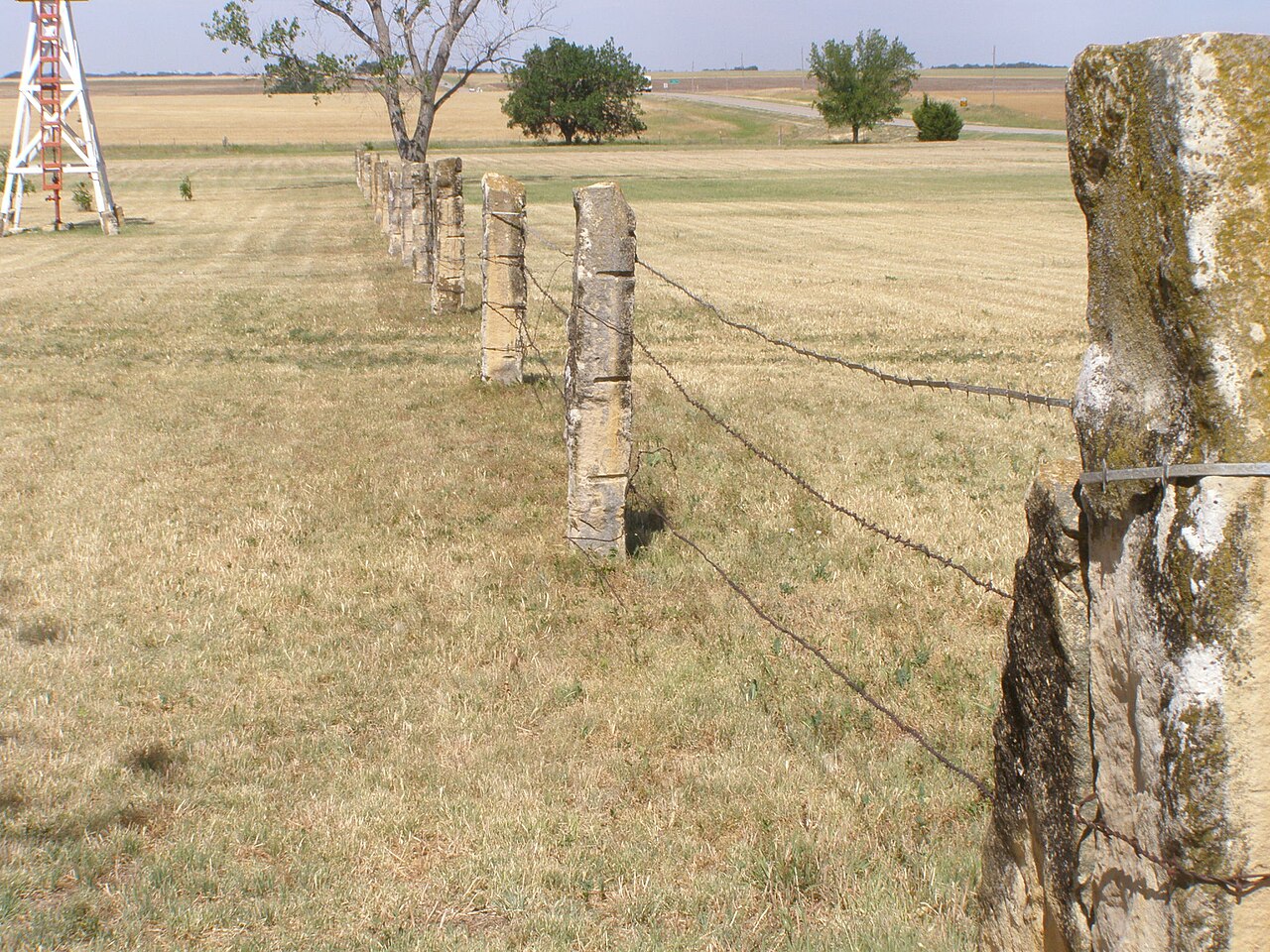

Geology and landscape
The Smoky Hills are underlain by Cretaceous sedimentary rocks that produce a mix of bluffs, buttes and low ridges. Outcrops of chalk, limestone, sandstone and shale form prominent features and occasional steep slopes. Vegetation-covered uplands alternate with valleys drained by rivers and streams, giving the area a varied pattern of grassland and wooded riparian corridors.
Ecology and land use
The natural vegetation of the region is largely mixed‑grass prairie, though much has been converted to cropland and pasture. Riparian strips and hillsides support native grasses and scattered trees. Reservoirs, state parks and managed lands supply water and wildlife habitat while also supporting recreation such as hunting, fishing and hiking.
History and human activities
Indigenous peoples lived and traveled through the Smoky Hills for millennia before Euro‑American settlement in the 19th century altered land use patterns. Agriculture, grazing and later infrastructure such as roads and railroads shaped the modern landscape. Local landforms attracted early travelers and later conservation interest.
Notable features and distinctions
- Prominent chalk and limestone formations are visible in places and have become landmarks and study sites.
- The area is often identified in state geography as the upland area of the plains where hills and ridges contrast with level prairie.
- Maps and guides refer to the region simply as the hills or by state sections such as central Kansas and adjacent parts of Nebraska.
Visitors and students of regional geography will find the Smoky Hills notable for their mixture of prairie, exposed sedimentary rocks and human uses that illustrate the transition between true plains and more broken upland terrain. For broad regional context see general resources on the Great Plains and Midwestern landscapes (Great Plains, Midwest).
Questions and answers
Q: Where are the Smoky Hills located?
A: The Smoky Hills are located in the Midwestern United States, mostly in north-central Kansas and a small part of south-central Nebraska.
Q: What are the Smoky Hills?
A: The Smoky Hills are an upland area of hills in the Great Plains area of North America.
Q: Are there any other geographical features around the Smoky Hills?
A: The text does not mention any other geographical features around the Smoky Hills.
Q: What is the elevation like in the Smoky Hills?
A: The text does not provide information on the elevation of the Smoky Hills.
Q: What is the size of the Smoky Hills?
A: The text does not provide information on the size of the Smoky Hills.
Q: Is the Smoky Hills area densely populated?
A: The text does not provide information on the population density of the Smoky Hills area.
Q: Can you visit the Smoky Hills area?
A: Yes, the Smoky Hills area can be visited as it is a geographical feature open to the public.
Related articles
Author
AlegsaOnline.com Smoky Hills — uplands of the central Great Plains Leandro Alegsa
URL: https://en.alegsaonline.com/art/91264
Sources
- nwk.usace.army.mil : "History of Kanopolis Dam" · web.archive.org
- usbr.gov : "Pick Sloan Missouri Basin Program Project"