
Battle of Arras (1917)
A British offensive on the Western Front during the First World War (9 April–16 May 1917). Notable for the capture of Vimy Ridge, extensive tunnelling, heavy casualties and limited strategic breakthrough.
Overview
The Battle of Arras was a major British Empire offensive on the Western Front during the First World War, fought from 9 April to 16 May 1917 around the French city of Arras. Launched by the British Third Army and associated corps, the operation sought to break through entrenched German defensive lines and to draw enemy forces away from a simultaneous French offensive further south.
Image gallery
10 Images




Preparations and tactics
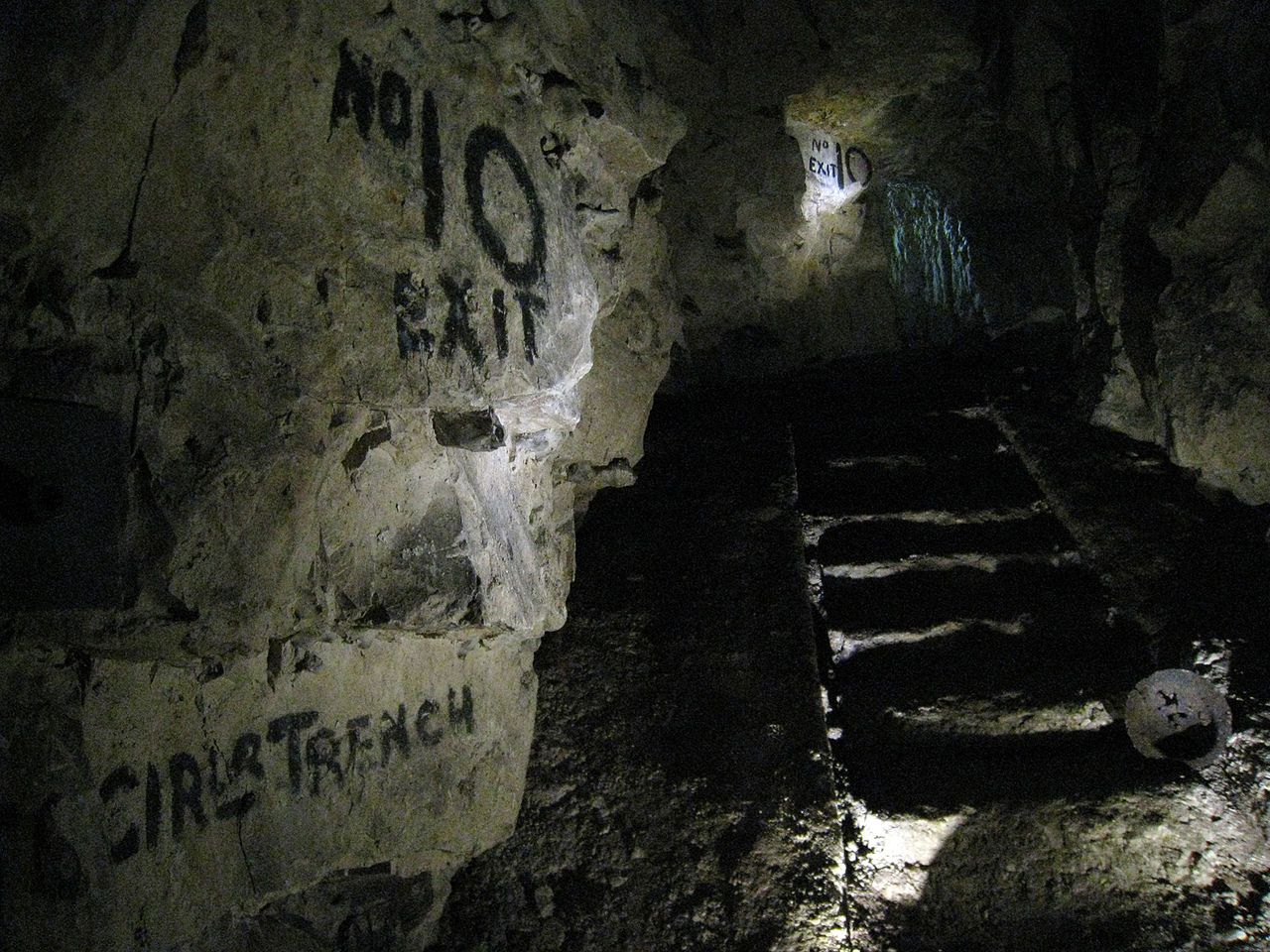
Extensive preparations preceded the attack: artillery was concentrated and coordinated with infantry using improved set-piece tactics such as the creeping barrage. Engineers and specialist tunnelling companies created deep dugouts, sap galleries and chambers in the chalk beneath Arras to conceal troops, move supplies and shelter artillery observers. These subterranean works permitted surprise and greater protection for assaulting units.
Course of the battle
The opening days brought local successes, the most notable being the Canadian Corps’ capture of Vimy Ridge on 9–12 April, which secured high ground overlooking the plain. Other British formations advanced and seized sections of the German front, but efforts to turn these gains into a sustained strategic breakthrough were frustrated by strong German counterattacks, logistical limits and the nature of trench warfare. By mid-May the front had reverted to a contested stalemate despite ground gained in places.
Fighting combined set-piece assaults, mining operations beneath enemy positions and costly small-unit engagements. Weather and the difficulty of consolidating advanced positions exposed attackers to counter-battery fire and counter-assaults, making further exploitation hazardous.
Consequences and legacy
The battle produced heavy casualties on both sides and only limited territorial change; casualties numbered in the tens of thousands. Although it failed to achieve a decisive breakthrough, Arras demonstrated improvements in coordination between artillery and infantry, the value of tunnelling and detailed planning for set-piece attacks. The capture of Vimy Ridge has particular symbolic importance for Canada, commemorated by memorials and regimental histories.
Key facts
- Dates: 9 April–16 May 1917.
- Main participants: British Empire forces (including the Canadian Corps) vs German defensive armies.
- Notable features: tunnelling, creeping barrage, capture of Vimy Ridge.
- Outcome: local successes but no decisive breakthrough; high casualties and tactical lessons for later operations.
Related articles
Author
AlegsaOnline.com Battle of Arras (1917) Leandro Alegsa
URL: https://en.alegsaonline.com/art/9432