
Artemisia Gentileschi
Italian Baroque painter known for dramatic chiaroscuro, powerful portrayals of women, and a high-profile 1612 trial; active across Italy in the early 17th century with lasting influence on art and gender studies.
Overview
Artemisia Gentileschi (b. 1593 — d. c. 1650s) was an Italian Baroque painter celebrated for vivid narratives, bold use of light and shadow, and depictions of resolute female protagonists. Born in Rome to the painter Orazio Gentileschi, she developed technical skill and a dramatic visual vocabulary that made her one of the most recognized artists of her generation.
Image gallery
10 Images


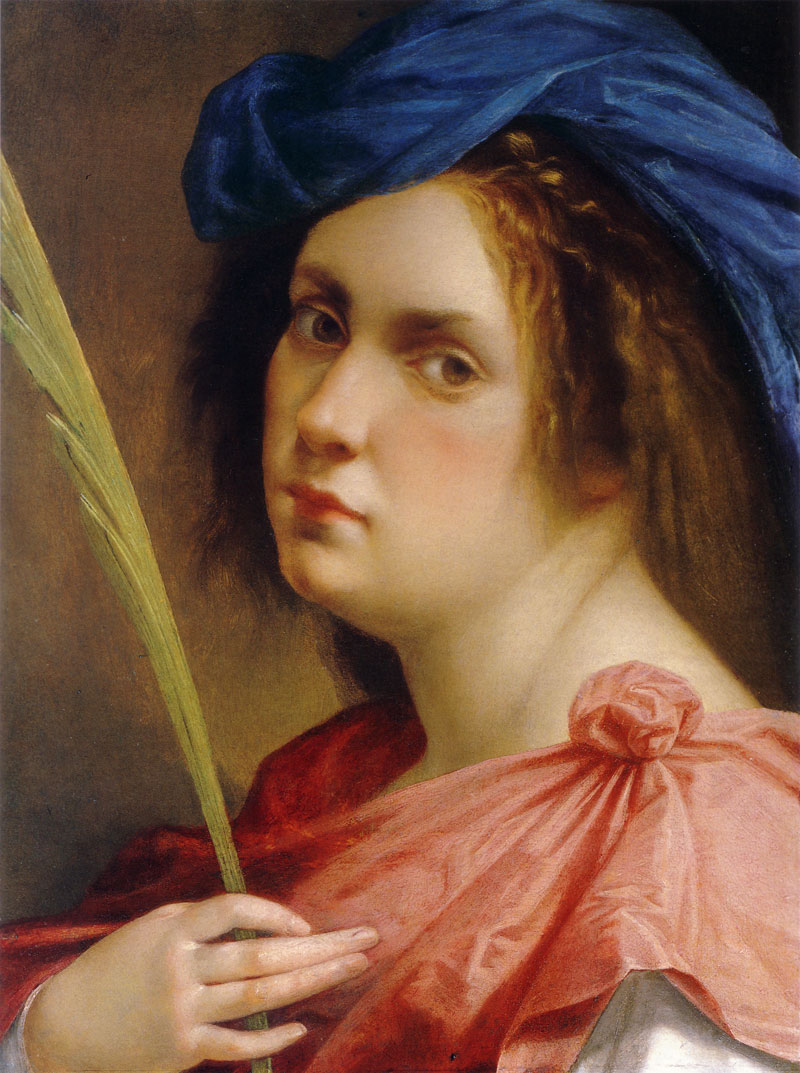



Life and training
Trained in her father's workshop, Artemisia showed early promise and completed notable commissions while still a young artist. In 1612 she married Pietro Antonio Stiattesi and soon moved between artistic centers including Florence, Venice and Naples. Her career combined private commissions, public works and paintings for wealthy patrons across Italy.
Trial and personal history
In 1611 Artemisia was assaulted by a colleague, Agostino Tassi; her father initiated a legal case that produced extensive courtroom records in 1612. The trial has been widely studied because its documents illuminate both her personal experiences and the social position of women artists in the early modern period. References to the proceedings also inform modern readings of her paintings.
Style, subjects and notable works
Artemisia's work draws on the realism and tenebrism associated with Caravaggio but is distinguished by intense psychological immediacy and a focus on women from myth, scripture and history. Her most famous composition, Judith Slaying Holofernes, exists in several versions and exemplifies her dynamic composition and robust figuration. She also painted Susanna and the Elders, Lucretia, and a number of self-portraits that engage issues of identity and authorship.
Selected works
- Judith Slaying Holofernes (multiple versions)
- Susanna and the Elders
- Self-Portrait as the Allegory of Painting
- Lucretia
Legacy and significance
Long overlooked or misattributed, Artemisia's reputation was revived in the 20th century and she is now studied both for her artistic achievements and as a figure in discussions about gender and creativity. Her dramatic narratives, convincing flesh tones and compositional energy continue to influence exhibitions, scholarship and popular perceptions of women artists in European art history. For primary documents about her legal case and contemporary accounts, see court records and archival material referenced in scholarship here. For general context on the Baroque period and artistic networks that shaped her work, consult broader studies of Italian painting and regional histories.
Questions and answers
Q: Who is Artemisia Gentileschi?
A: Artemisia Gentileschi was an Italian Baroque painter.
Q: What is her most famous painting?
A: Her most famous painting is Judith Beheading Holofernes.
Q: When was Artemisia Gentileschi born?
A: Artemisia Gentileschi was born on July 8, 1593.
Q: Who was her father?
A: Her father was the Tuscan painter Orazio Gentileschi.
Q: When did Artemisia Gentileschi finish her first painting?
A: Artemisia Gentileschi finished her first painting when she was 17.
Q: What happened to Artemisia Gentileschi in 1611?
A: Artemisia Gentileschi was raped by Agostino Tassi in 1611.
Q: Who did she marry after the lawsuit against Agostino Tassi?
A: She married Pietro Antonio di Vicenzo Stiattesi after the lawsuit against Agostino Tassi in 1612.
Tags
Related articles
Author
AlegsaOnline.com Artemisia Gentileschi Leandro Alegsa
URL: https://en.alegsaonline.com/art/6245
Sources
- independent.co.uk : independent.co.uk