
Jean-Antoine Watteau (1684–1721)
French painter Jean-Antoine Watteau pioneered the fête galante and reintroduced colour, movement and theatricality to early 18th-century French painting, helping to usher in Rococo tastes.
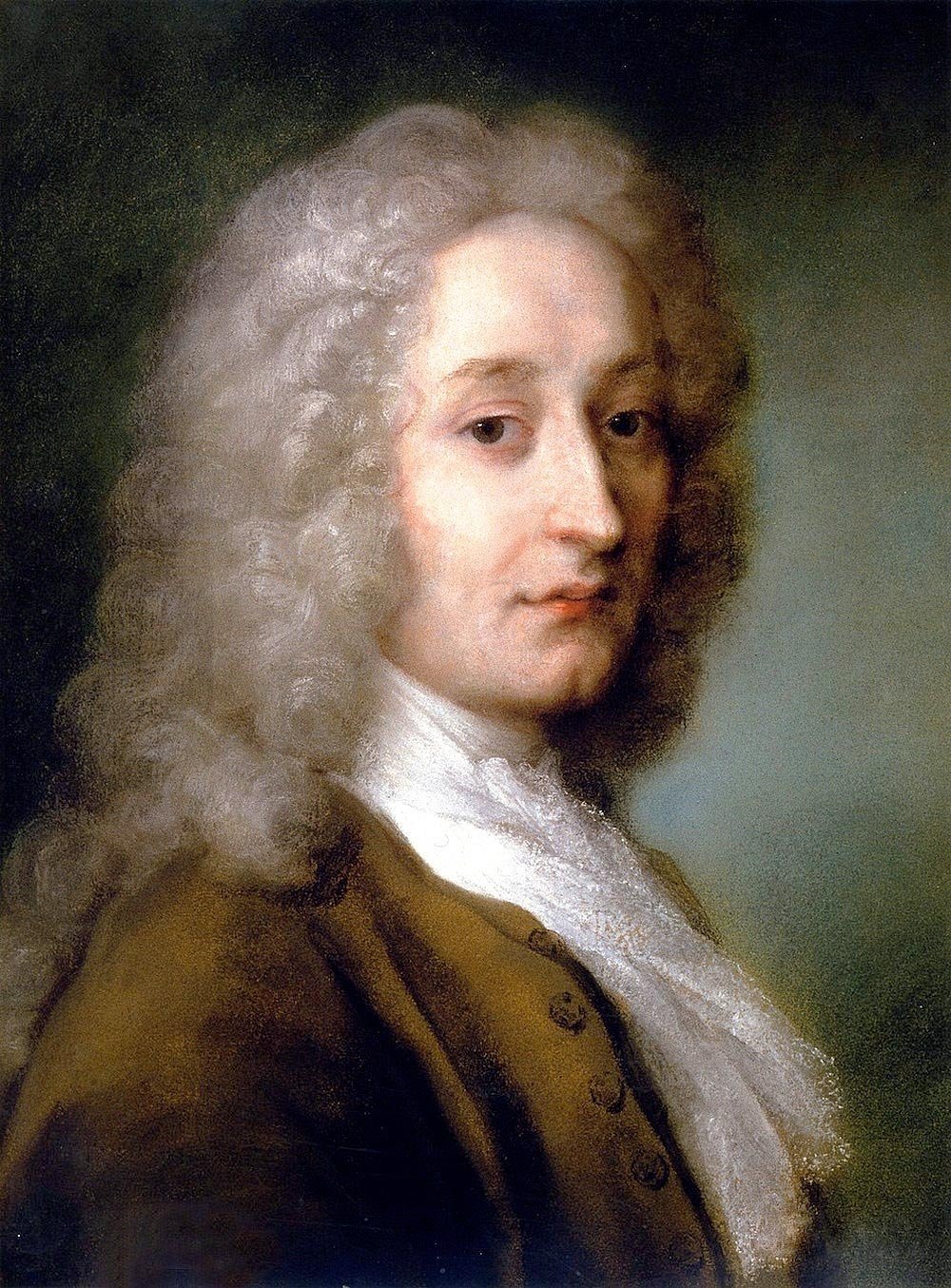
Jean-Antoine Watteau (10 October 1684 – 18 July 1721) was a French painter born in Valenciennes whose brief but highly influential career reshaped early 18th-century taste. Widely credited with inventing the fête galante, he combined pastoral settings, elegant figures and a theatrical sense of fleeting emotion to create images of refined sociability and wistful charm. Often described simply as a French painter, Watteau’s achievement lies in a distinctive pictorial mood rather than a single subject matter; his paintings emphasize colour, movement and poetic suggestion. Painter remains the most accurate occupational term, but his innovations extend to genre and academic recognition.
Image gallery
10 Images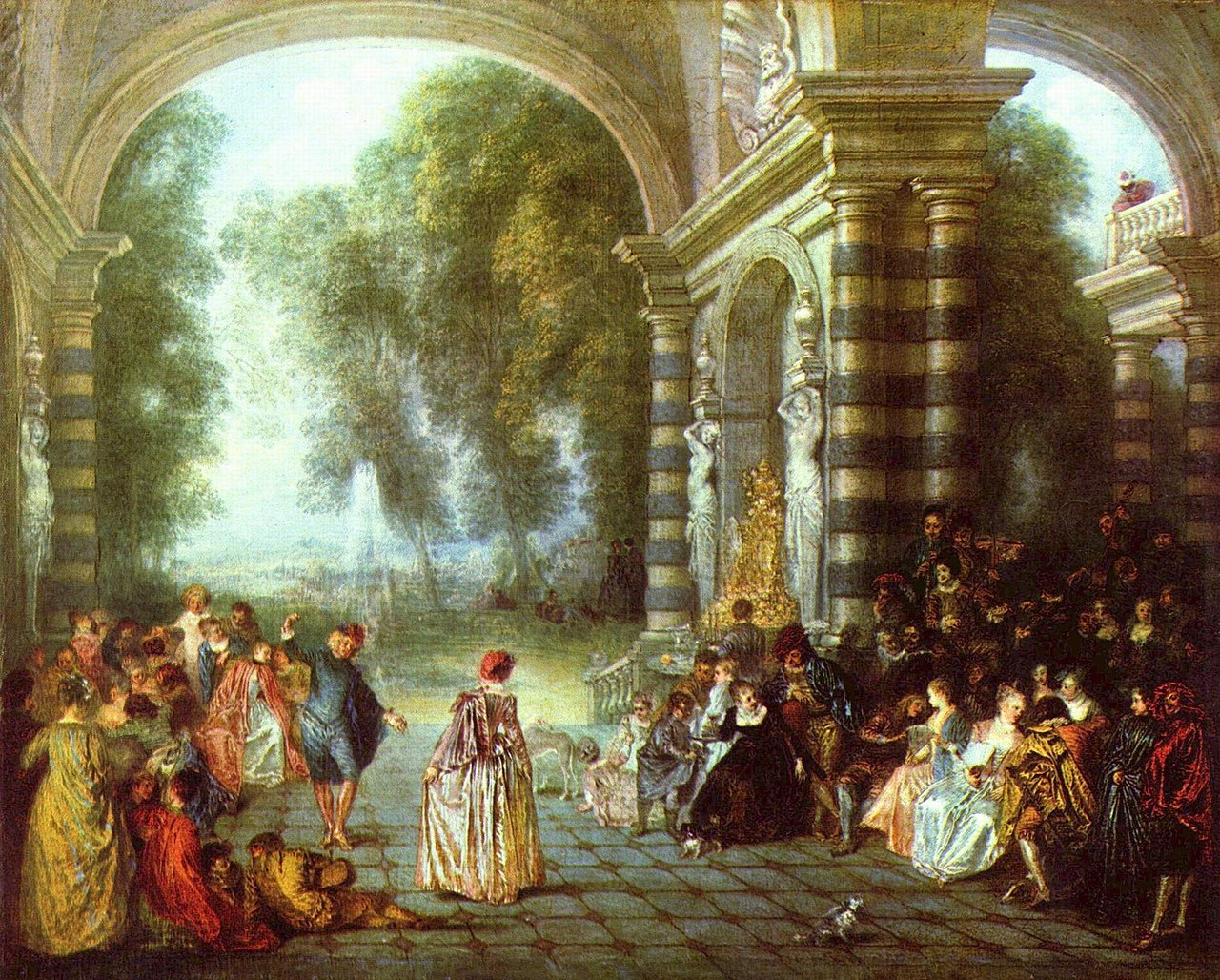




Style and technique
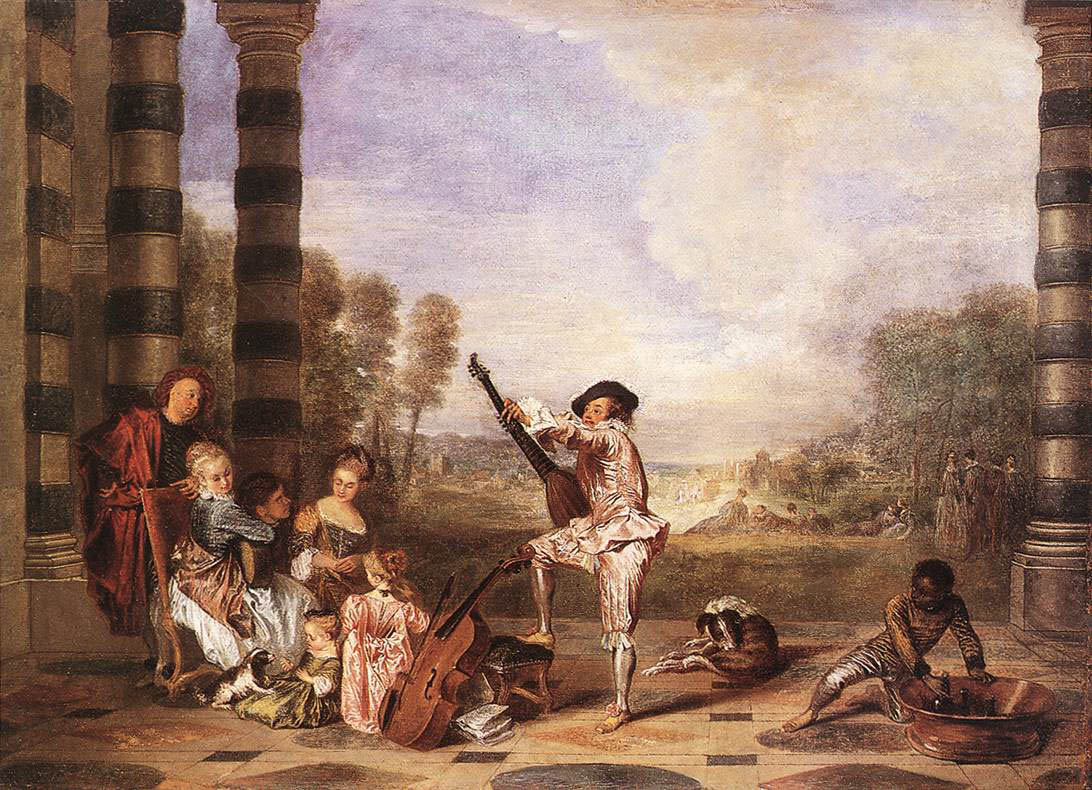
Watteau’s technique is notable for a soft, luminous palette and economical brushwork that suggests atmosphere and motion rather than precise detail. He drew on late Baroque precedents—the rich colour and sensuality associated with masters such as Correggio and Rubens—but translated their energy into smaller, more intimate formats. In combining Baroque tendencies with lighter, more decorative aims, his work helped bridge older modes and the emerging Baroque to Rococo transition.
Themes and motifs
- Fête galante: idealized outdoor entertainments, amorous encounters and fashionable company set within lyrical landscapes; the term later became closely linked to Watteau and his followers. Fêtes galantes
- Theatrical types: characters from commedia dell'arte, masked figures and ballet dancers recur, lending a staged or performative quality to many compositions. Performers and costume types derive from Italian comedy and dance traditions. Italian comedy and ballet
- Scale and format: many works are cabinet-sized paintings and numerous preparatory drawings survive, reflecting a taste for intimate, collectible pictures rather than public monumental commissions.
One of Watteau’s most famous paintings, the picture commonly known as Pilgrimage to Cythera, played a crucial role in establishing his reputation and in the Royal Academy’s response to his work. When the Academy received this composition, it recognized a new pictorial type—fêtes galantes—rather than placing him in existing categories, an institutional acknowledgment that shaped his posthumous standing.
Reception and legacy
Although his career lasted less than two decades and he died in his mid-thirties, Watteau left a concentrated and influential body of work. His emphasis on lightness, intimacy and the decorative arrangement of figures influenced later French painters often associated with Rococo taste, including François Boucher and Jean-Honoré Fragonard. Art historians also trace in his paintings a renewed interest in colour and movement that linked earlier Baroque expression to the more playful sensibility of Rococo decoration.
Watteau’s drawings and small-scale paintings remain central to studies of early 18th-century art; they are frequently cited in museum catalogues and scholarly surveys. Collectors and institutions across Europe prize his works for their refinement and subtle emotional tone. For introductory overviews and curated selections of his paintings and drawings, consult major museum catalogues and reliable online resources that assemble images and commentary. Further reading and resources are available through general art-historical references and specialist studies that explore his technique, subjects and the social contexts that made his pictures desirable. Baroque to French survey texts often include chapters on his contribution, and museum entries can provide visual access to emblematic works such as Pilgrimage to Cythera and other key paintings.
Watteau’s blend of theatrical suggestion, refined colour and fleeting emotion ensures his continuing importance in the history of European painting: he is remembered both as an innovator of subject and as a master of pictorial mood. For more specific entries and image galleries consult museum catalogues and academic treatments that document his oeuvre and reception. Colour and movement, theatrical reference and the fête galante remain the most persistent themes in accounts of his work.
Tags
Related articles
Author
AlegsaOnline.com Jean-Antoine Watteau (1684–1721) Leandro Alegsa
URL: https://en.alegsaonline.com/art/4711