
Bourrée (dance and musical form)
A lively French dance and musical movement in quick duple time, the bourrée appears in folk traditions and Baroque suites; it is notable for its upbeat, dactylic rhythm, lively steps, and adaptations by classical composers.
Overview
The bourrée is a brisk French dance that also names the musical movement written for it. Originating in regional folk practice and later adopted by court and Baroque composers, the bourrée is typically performed in a quick duple pulse and is known for its energetic character and short upbeat.
Image gallery
7 Images


Characteristics
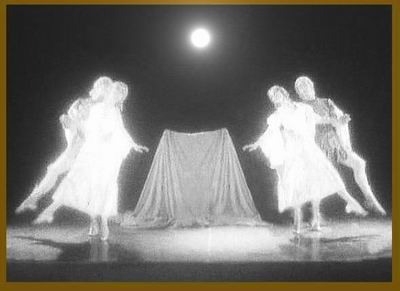
Musically the bourrée often uses a one-beat anacrusis (an upbeat) and is set in duple meters such as 2/2 or 4/4, though variations exist. Its rhythmic profile frequently emphasizes a strong beat followed by two lighter ones, a pattern sometimes described as dactylic. Choreography tends to include small, lively steps, hops or jumps and brisk footwork suited to paired or group formations.
History and development
Rooted in the rural dances of central and southern France, the bourrée entered aristocratic and theatrical repertory during the 17th and 18th centuries. French court composers and dance masters adapted folk elements into stylized choreography and composed instrumental bourrées as part of dance suites. The bourrée became one of several short dances that composers used to vary mood and tempo within suites and collections.
In classical music and examples
Baroque composers wrote bourrées as standalone pieces and as movements within suites. The form is usually binary (two repeated sections) and idiomatic for both keyboard and plucked instruments. One of the best known examples in modern popular awareness is a bourrée attributed to J. S. Bach from his lute works, which has been widely arranged for guitar and other instruments. For a direct contrast with the closely related gavotte, see the comparison here and a rhythmic discussion here.
Uses, variations and notable distinctions
- Folk vs. art music: regional bourrées retained communal dance forms while art-music bourrées became stylized concert pieces.
- Anacrusis: the one-beat upbeat is a common distinguishing feature compared with the gavotte's two-beat pickup; more on that distinction is available here.
- Modern revival: folk music and early-music ensembles continue to perform and teach bourrées; further resources can be found here.
Whether encountered in the countryside, in a Baroque suite, or in a modern recital, the bourrée remains a concise, spirited form that bridges social dance and instrumental composition.
Tags
Related articles
Author
AlegsaOnline.com Bourrée (dance and musical form) Leandro Alegsa
URL: https://en.alegsaonline.com/art/13411