
Baroque music: styles, history and defining features
Baroque music (c.1600–1750) is a European classical style marked by contrast, ornamentation, basso continuo and the rise of opera, concerto, sonata and fugue forms.
Baroque music describes a range of European musical styles that dominated the art-music tradition roughly between 1600 and 1750. Emerging as a distinct idiom after the Renaissance, it helped shape modern tonal harmony and many instrumental genres. The era was closely connected to broader Baroque art movements in architecture, painting and sculpture, and it sits historically between the Renaissance and the later Classical period.
Image gallery
7 Images

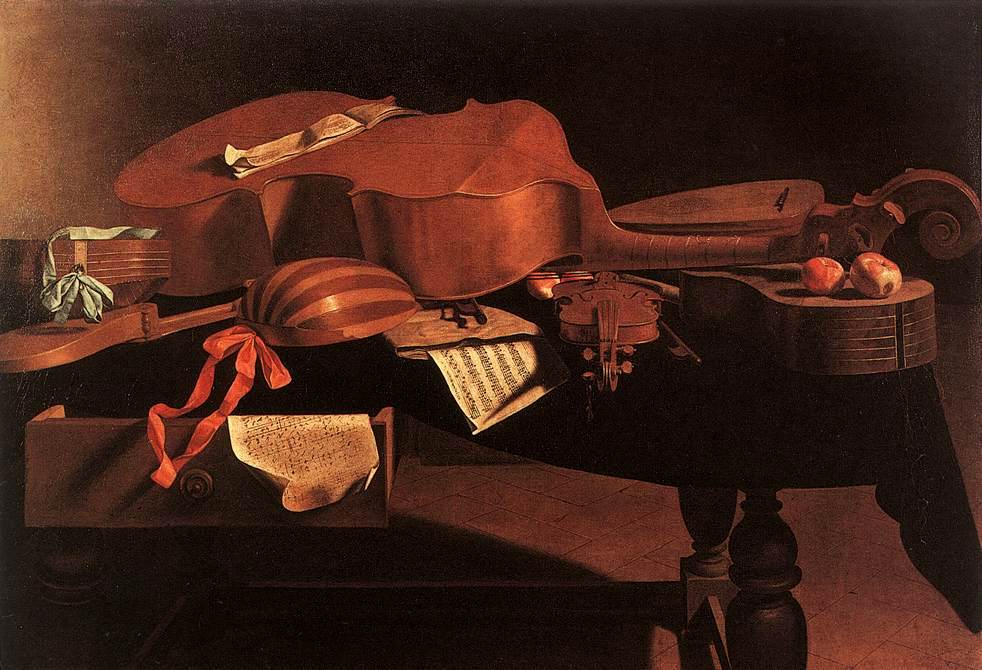


Characteristics
Baroque music is known for expressive contrasts, vivid ornamentation and rhythmic drive. Composers expanded the use of functional harmony, creating clearer tonal centers and progressions that supported long-range musical architecture. A defining technical feature is the basso continuo (continuous bass) — a written bass line usually realized by a keyboard instrument and a bass instrument that provides harmonic support. Emphasis on contrast appears between solo and ensemble, loud and soft, and different timbres.
Forms and typical forces
Many musical forms familiar today were refined or invented during the Baroque era. Important genres include:
- Opera and oratorio — staged and sacred dramatic works that placed text and drama at the center.
- Concerto and concerto grosso — pieces contrasting soloists with ensemble.
- Sonata and suite — multi-movement instrumental works for small groups or soloists.
- Fugue and counterpoint — highly structured, imitative writing exemplified by masters of contrapuntal craft.
Typical instruments included the harpsichord, organ, violin family, baroque oboe and natural trumpet. Ensembles and orchestras were smaller and more flexible than later symphonic forces.
Prominent composers associated with Baroque music include Claudio Monteverdi and Henry Purcell, Antonio Vivaldi, Georg Friedrich Handel and Johann Sebastian Bach. Famous works such as Vivaldi's concertos, Handel's oratorios and Bach's keyboard and ensemble pieces remain central to the concert repertoire.
History and significance
The Baroque period developed across Italian, French, German and English cultural centers, supported by courts, churches and public theaters. It introduced new expressive possibilities and formal models that influenced later Classical and Romantic music. Study and performance of Baroque works today often involve historical performance practice, including use of period instruments and stylistic ornamentation.
For further context see general discussions of European music and classical music, the broader Baroque movement in art, and links to literature and dance of the time via dance and literature. Additional resources and entry points are available through introductory and specialist sources here.
Questions and answers
Q: What is Baroque music?
A: Baroque music consists of a set of styles of European classical music that were used between about 1600 and 1750 during the Baroque period.
Q: What other art forms use the term Baroque?
A: Baroque is a term that is used to describe architecture, painting, sculpture, dance, and literature.
Q: When was the Baroque period?
A: The Baroque period was in use between about 1600 and 1750.
Q: How does Baroque period differ from Renaissance and Classicism?
A: The Baroque period was in between the Renaissance and the period of Classicism, having its own distinct style.
Q: Which classical music style is prior to Baroque music?
A: The Renaissance is the classical music style before Baroque music.
Q: Which classical music style follows the Baroque period?
A: The period of Classicism follows the Baroque period.
Q: What is the significance of the word "Baroque"?
A: The term "Baroque" is used to describe the art and architecture that flourished during this time period. It represents a distinct style that is characterized by grandeur, extravagance, and ornamentation.
Related articles
Author
AlegsaOnline.com Baroque music: styles, history and defining features Leandro Alegsa
URL: https://en.alegsaonline.com/art/9071
Sources
- commons.wikimedia.org : Baroque music