
Sintering: Powder Consolidation and Solid-State Densification
Sintering joins powdered materials into a coherent solid by heating below melting point. Covers mechanisms, process variants, materials, applications, history and practical distinctions for engineering use.
Overview
Sintering is a manufacturing and materials-processing technique that converts compacted powders into dense, mechanically coherent solids by heating them to temperatures below their bulk melting point. The process relies on atomic transport across particle contacts so that individual grains bond, pores shrink, and the overall part gains strength and dimensional stability. Sintering is fundamental to powder metallurgy, ceramic production and some advanced manufacturing methods such as metal injection molding and additive manufacturing.
Image gallery
4 Images

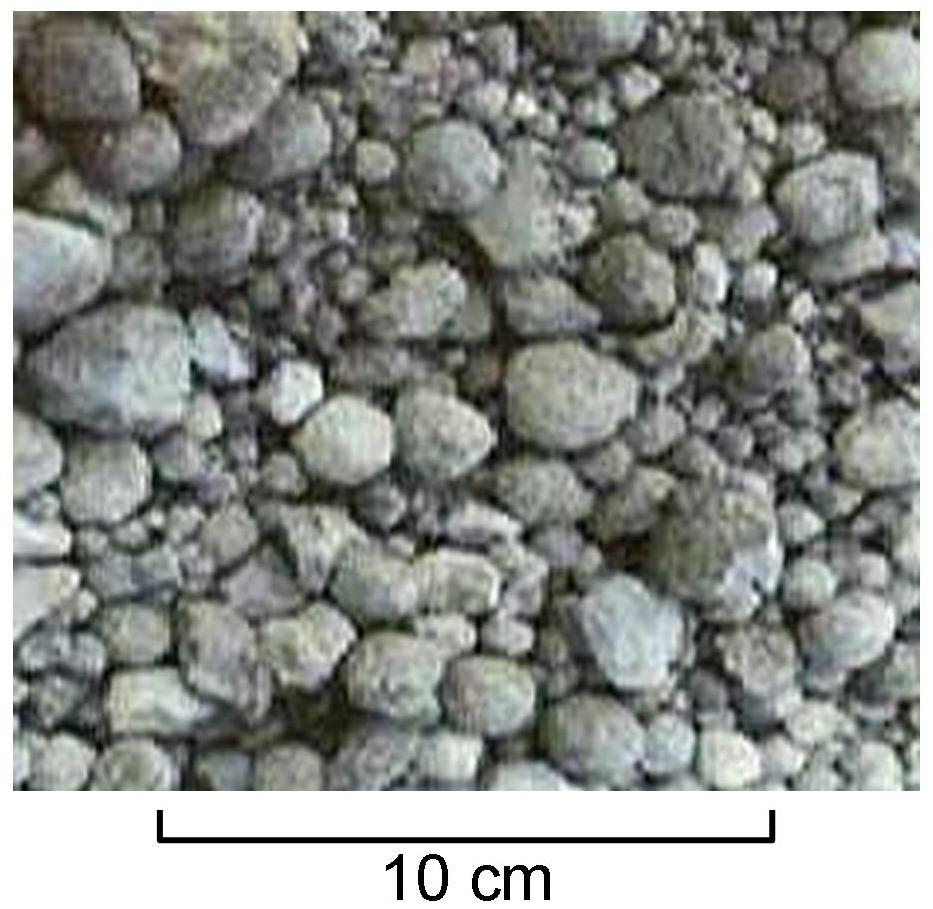

Key mechanisms
The transformation during sintering is driven by several solid-state mechanisms that reduce surface and interface energy. Typical processes include:
- Neck growth: material migrates between touching particles and forms interparticle necks.
- Diffusion: lattice, grain-boundary and surface diffusion move atoms without bulk melting.
- Pore elimination: pores shrink and may be eliminated or isolated as the structure densifies.
Methods and materials
Sintering can be performed in various ways depending on material and requirements: conventional furnace sintering, pressure-assisted techniques such as hot pressing and spark plasma sintering, and field- or microwave-assisted variants. Metals, ceramics, some composite powders and certain polymers can be sintered. Key control variables are temperature, time, atmosphere (to prevent oxidation or control chemistry) and applied pressure when used.
Applications, history and notable facts
Historically, roots of sintering appear in early ceramics and metalworking where heat bonded particles. Today it is central to producing engine parts, cutting tools, electronic components, porous filters and structural ceramics. Advantages include material efficiency, complex near-net-shape geometry and tailored microstructures. Limitations include potential residual porosity, size constraints and the need for precise powder control. Sintering also intersects with additive manufacturing, where it is used to densify printed powder layers or green parts.
For further technical background see powder processing, practical guides on sintering methods, and resources describing thermal cycles and atmosphere control at process parameters.
Related articles
Author
AlegsaOnline.com Sintering: Powder Consolidation and Solid-State Densification Leandro Alegsa
URL: https://en.alegsaonline.com/art/90707