
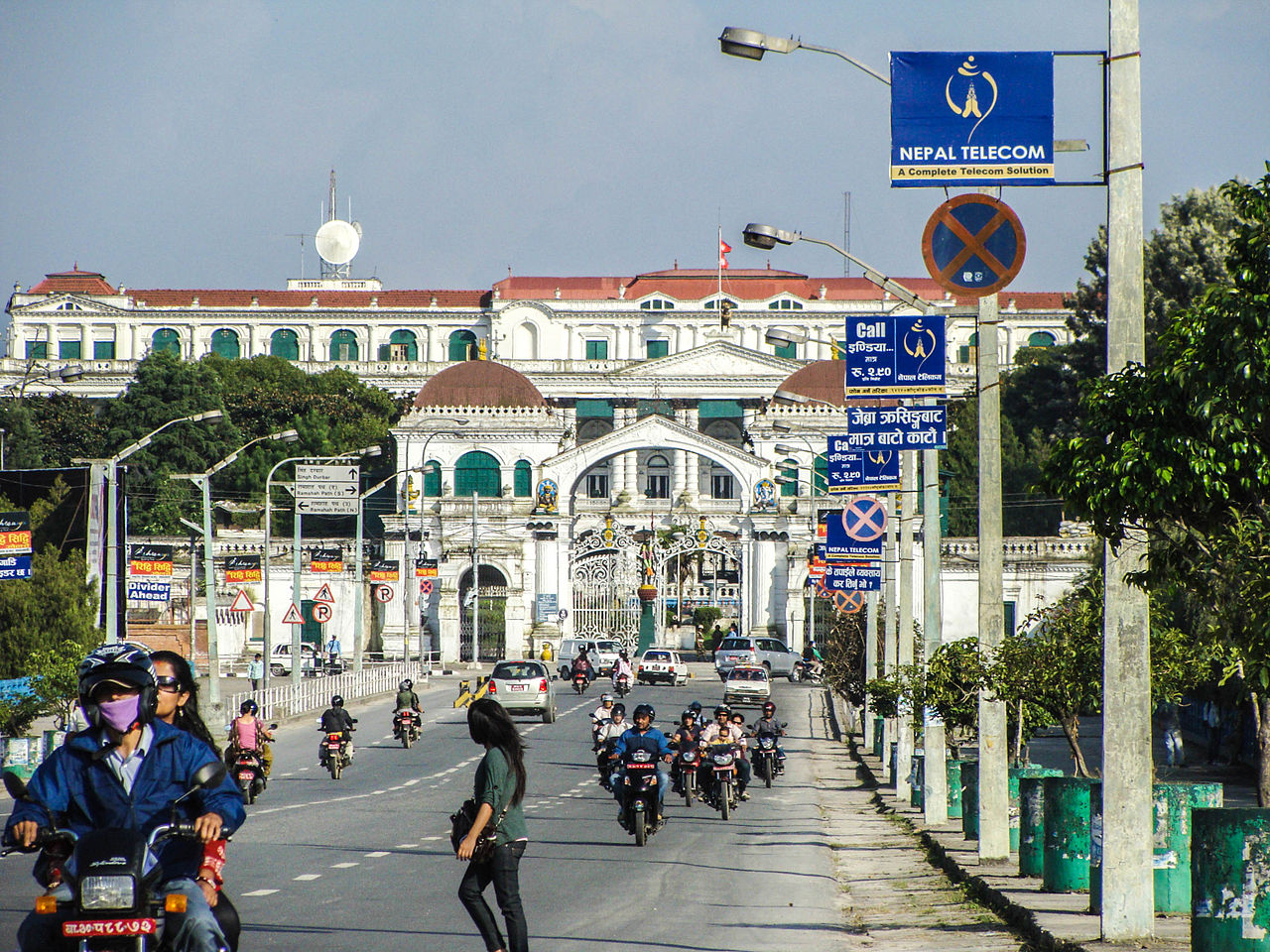
Singha Durbar (Lion's Palace), Kathmandu
Singha Durbar is a historic palace complex in Kathmandu, Nepal, built by Rana prime minister Chandra Shumsher and later converted into the principal government administrative complex.
Overview
Singha Durbar (सिंहदरवार; Lion's Palace) is an extensive palace complex in the heart of Kathmandu. Originally a private residence of the Rana rulers, it later became the principal government administrative center of Nepal. The complex is widely regarded as one of the most prominent historic buildings in the city and a symbol of the Rana era's architectural ambition.
Image gallery
5 Images



History and development
Construction began under Prime Minister Chandra Shumsher Rana in the early 20th century and the main palace was completed around 1908. The building and its grounds were designed to project power and modernity within the then-isolated kingdom. After the end of Rana autocracy in the mid-20th century, the state assumed control of the property and repurposed it as the seat of government, hosting ministries and official offices.
Architecture and features
Singha Durbar combines formal European palace elements with local materials and decorative motifs. Visitors and researchers note its grand façades, extensive courtyards, wide staircases and numerous formal reception rooms that originally served social and ceremonial functions. The complex covers a large urban block and historically contained service wings, gardens and administrative wings that accommodate multiple ministries and departments.
Function and significance
For decades Singha Durbar functioned as the central administrative hub where executive decisions were made and public ceremonies took place. It housed key offices including the prime minister’s administrative rooms and several government ministries. Its prominence reflects both the legacy of Rana patronage and the later role of the state in independent Nepal.
Events, damage and conservation
Singha Durbar has undergone change and repair several times in its history. It sustained notable damage during the major earthquake in April 2015 and required structural assessment and restoration work afterward; details and updates on repairs can be found in official reports and conservation summaries. Contemporary discussions around the site often balance preservation of historic fabric with the practical needs of an active government complex.
Notable facts
- The name literally means Lion's Palace and is commonly used to refer both to the principal building and the wider administrative compound.
- Originally a private dynastic residence, it was nationalized and adapted for public administration after political change in Nepal.
- The site has been the subject of conservation interest and occasional public discussion about adaptive reuse and heritage protection.
For language, historical timelines and official descriptions consult specialised sources and government publications. General introductions and reference materials about the palace appear in local heritage guides and civic records; for specific archival or structural reports see dedicated studies and official releases such as building reports and earthquake assessments (2015 earthquake summaries). Additional background on the place name and local usage can be found via Nepali-language references (palace, Kathmandu context) and national cultural inventories (Nepali name, city).
Related articles
Author
AlegsaOnline.com Singha Durbar (Lion's Palace), Kathmandu Leandro Alegsa
URL: https://en.alegsaonline.com/art/90635
Sources
- amazon.com : Ranakalin Pramukh Atihasik Darbarharu
- nepalitimes.com : "My City - Photo blog from Nepali Times » Blog Archive » Rana palaces after the earthquake"
- commons.wikimedia.org : Singha Durbar, Kathmandu