
Sistine Chapel — Vatican chapel famed for Michelangelo frescoes
The Sistine Chapel is the Pope’s principal chapel in the Vatican, renowned for Renaissance frescoes—especially Michelangelo’s ceiling and Last Judgment—and for papal ceremonies including the conclave.
Overview
The Sistine Chapel stands within the Vatican Palace and serves as the papal chapel in Italy. Named for Pope Sixtus IV, who commissioned its construction in the late 15th century, it is the private chapel of the Pope and the site of important liturgies and ceremonies. Its combined religious function and extraordinary decoration have made it one of the best known monuments of the Renaissance, visited by pilgrims, art historians and the general public.
Image gallery
10 Images






Architecture and decoration
The chapel is a large, rectangular, barrel‑vaulted hall whose proportions reflect Renaissance ideals of balance and clarity. Its painted program was executed in phases by a succession of leading artists of the period. The wall decorations present narrative cycles and portraits, while the ceiling and the altar wall contain the later, monumental compositions that dominate public memory of the space.
Major artworks
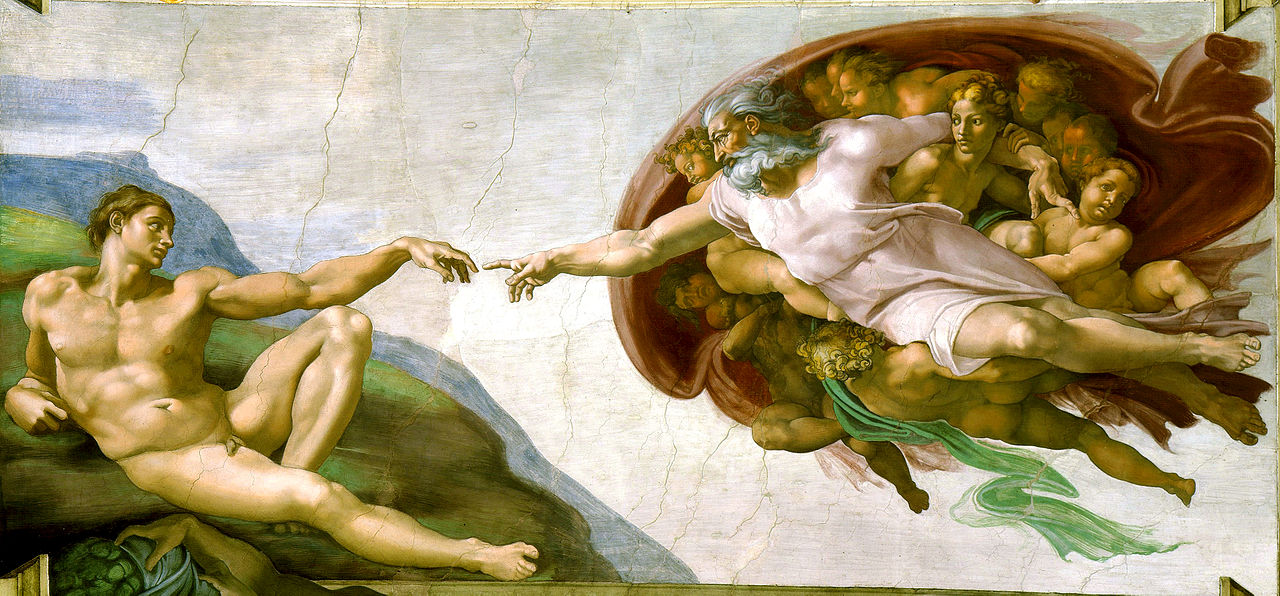
- Ceiling frescoes — Painted mainly by Michelangelo between 1508 and 1512, the ceiling presents a sequence of biblical scenes, prophets and sibyls arranged within an elaborate architectural framework. The work is celebrated for its dramatic figures and complex iconography.
- The Last Judgment — The altar wall decoration by Michelangelo, executed later in his career, depicts the final judgment and became a focal point for debates about religious imagery and artistic expression in the 16th century.
- Early Renaissance frescoes — Earlier panels and lunettes were painted by artists such as Botticelli, Perugino, Ghirlandaio and Rosselli; together these works frame the chapel’s pictorial program and demonstrate contemporary approaches to narrative and portraiture.
History, function and rituals
Built in the 1470s and 1480s under the patronage of Pope Sixtus IV and often attributed in sources to architects of the period, the chapel has long served both liturgical and civic roles. It is the designated space for papal liturgies and solemn Masses. When a pope dies or resigns, the College of Cardinals traditionally assembles in the chapel to elect a new pope; the outcome of a conclave is announced by smoke signals from a chimney associated with the proceedings.
Conservation, access and significance
Because of its cultural, religious and artistic significance, the Sistine Chapel has been the subject of extensive study and conservation, including major restoration efforts in the late 20th century that sought to stabilize pigments and remove accretions while preserving original surfaces. Access is managed to limit wear on fragile frescoes, and scholarly research on technique and iconography continues to rely on technical studies of the paint and plaster, including analyses of traditional fresco techniques and their Renaissance context (Renaissance context).
Visitor information and cultural impact
The chapel remains a central destination for visitors to the Vatican complex, combining devotional function with exceptional art historical value. Its decorated surfaces have shaped Western notions of artistic achievement and remain central to studies of Michelangelo and his contemporaries. For introductions to the chapel’s art, technique and history consult institutional guides and specialist studies, and for primary visual study seek curated collections and resources on Michelangelo, the Vatican collections and the broader religious and cultural setting of Italy.
Further reading and resources: introductory texts on chapel art, conservation reports, and institutional descriptions provide context for visitors and scholars; see materials on liturgy, papal history and the role of the Pope in ceremonial life for related background.
Questions and answers
Q: Where is the Sistine Chapel located?
A: The Sistine Chapel is located in the Vatican Palace in Italy.
Q: Who built the Sistine Chapel?
A: The Sistine Chapel was built by Giovanni dei Dolci for Pope Sixtus IV between 1473 and 1481.
Q: For what purposes is the Sistine Chapel used?
A: The Sistine Chapel is used for important Masses and ceremonies, and when a pope dies, the College of Cardinals meet there to elect a new pope.
Q: Why is the Sistine Chapel famous?
A: The Sistine Chapel is famous for its fresco paintings by the Renaissance painter Michelangelo.
Q: Who owns the Sistine Chapel?
A: The Pope owns the Sistine Chapel.
Q: When was the Sistine Chapel built?
A: The Sistine Chapel was built between 1473 and 1481.
Q: Does the Sistine Chapel have any special features?
A: Yes, the Sistine Chapel is notable for its frescos painted by Michelangelo.
Related articles
Author
AlegsaOnline.com Sistine Chapel — Vatican chapel famed for Michelangelo frescoes Leandro Alegsa
URL: https://en.alegsaonline.com/art/90796
Sources
- commons.wikimedia.org : Sistine Chapel