
Somnath Temple — historic Shiva shrine and coastal pilgrimage site
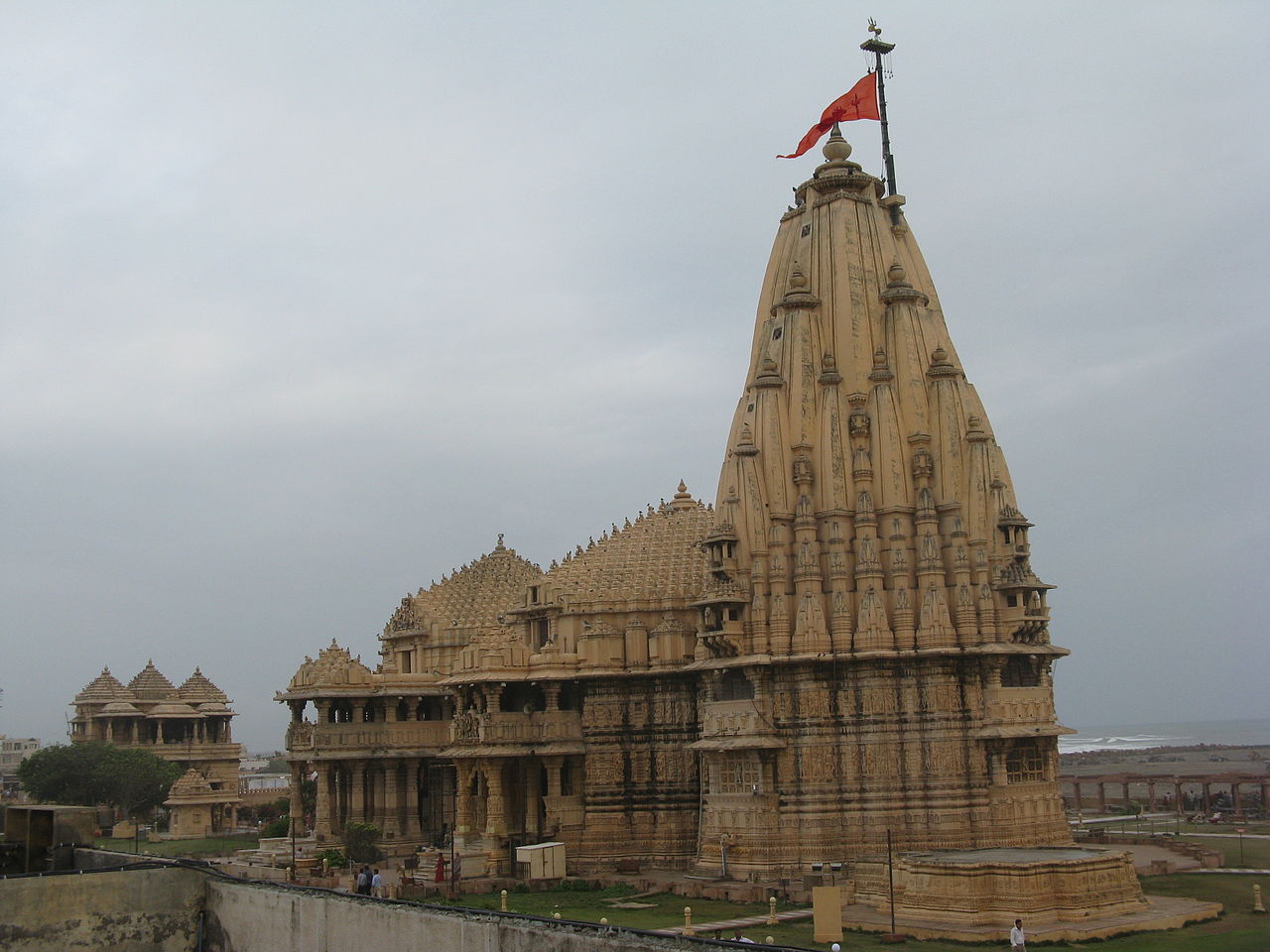
Somnath temple in Prabhas Patan, Gujarat, is a principal Jyotirlinga shrine of Shiva, rebuilt in post‑Independence India in historic style. It is a major pilgrimage, cultural and tourist landmark.
Overview
The Somnath temple stands on the western coast of India at Prabhas Patan near Veraval in the state of Gujarat. Revered as one of the twelve classical Jyotirlinga shrines of Shiva, it combines religious importance with coastal scenery and long historical memory. Visitors come both for worship and to study the temple's layered past.
Image gallery
10 Images




Historical development
Tradition and historical records describe Somnath as an ancient center of Shiva worship that has been rebuilt several times. The site is associated with repeated cycles of destruction and reconstruction across the medieval and early modern eras; these events have left a complex archaeological and documentary trail. In the modern period, the temple's full-scale reconstruction was ordered by the Indian leadership after independence and completed in May 1951 under a government initiative led by Vallabhbhai Patel.
Architecture and features
The present structure follows a revival of traditional temple forms, drawing on regional styles such as the Chalukya and local Gujarati motifs. Key architectural elements include a high jagati (platform), a mandapa (assembly hall), a sanctum with the Shiva linga, and an ornate shikhara (spire). Stone carvings, pillared halls and sculpted doorways reflect both religious themes and skilled masonry.
Significance and practices
As a Jyotirlinga site, Somnath is a focal point for Shaiva pilgrims who undertake ritual baths, offerings and circumambulation of the sanctum. Major festivals and occasions tied to Shiva attract larger congregations, while the temple precinct also hosts cultural events and educational exhibits about the site's history and restoration.
Visitor information and notable facts
- The shrine is both a functioning temple and a heritage site visited by pilgrims and tourists.
- Nearby facilities include a small museum and interpretation panels that describe archaeological finds and past reconstructions.
- Its coastal setting affords panoramic views of the Arabian Sea, adding to its appeal as a destination.
Somnath's story—religious, political and architectural—illustrates how a single sacred place can embody centuries of devotion, conflict, conservation and commemoration. For more general background on the region and its traditions consult further sources and guides before planning a visit.
Related articles
Author
AlegsaOnline.com Somnath Temple — historic Shiva shrine and coastal pilgrimage site Leandro Alegsa
URL: https://en.alegsaonline.com/art/91794