
Shunga Empire (mid-2nd–1st century BCE)
A polity that replaced the Mauryan state in northern India, noted for military activity, patronage of arts and learning, and a transition toward regional kingdoms; founded by Pushyamitra Sunga.
Overview
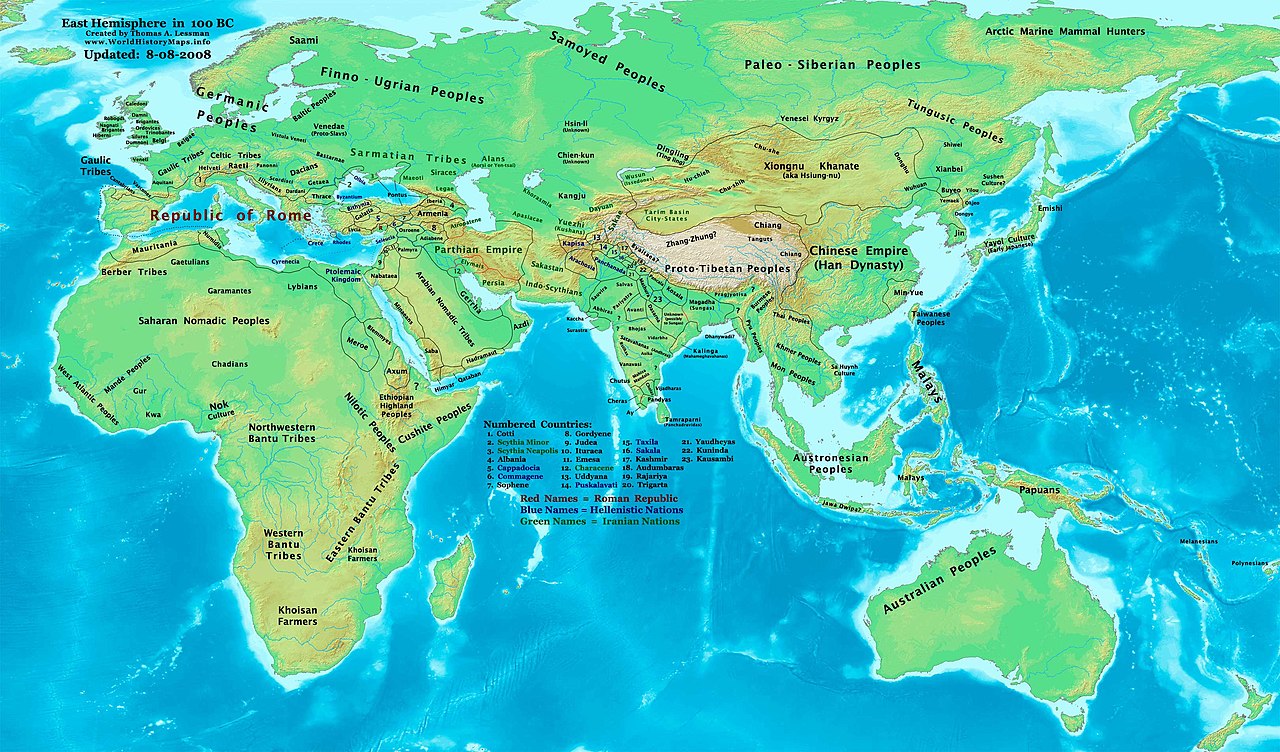
The Shunga Empire arose in northern India after the end of the Mauryan imperial line. Founded by Pushyamitra Sunga, the dynasty retained Pataliputra as its political center and presided over a period of political reorganization in the Gangetic plain. The Shungas are usually dated to the mid-2nd through the 1st century BCE and governed a realm that increasingly competed with regional powers while encouraging cultural and intellectual life.
Image gallery
10 Images



Origins and political history
According to traditional accounts, the dynasty began when Pushyamitra overthrew the last Mauryan monarch, Brihadratha Maurya, effectively ending the Mauryan empire in the region. Pushyamitra is recorded as ruling for a long period and was succeeded by his son Agnimitra. Classical sources and later inscriptions indicate there were roughly ten Shunga rulers in succession, but after Agnimitra the central authority weakened and regional states gained autonomy. The Kanva family eventually displaced the Shungas around the late 1st century BCE, bringing an end to their political predominance.
Territory, conflicts, and administration
The Shunga polity controlled much of the Ganges valley and adjacent territories, though its borders were contested. It engaged in frequent military activity against neighbors and invaders, including campaigns recorded against Kalinga and the expanding Satavahana power to the south. The Shungas also confronted Hellenistic successor states: clashes with the Indo-Greek Kingdom are mentioned in several sources. Some evidence points to military interactions or rivalries around the regions of the Panchalas and Mathura. Rather than a highly centralized bureaucracy like the Mauryas, Shunga governance shows features of a more regionalized system that relied on local elites and fortified towns.
Art, religion, and learning
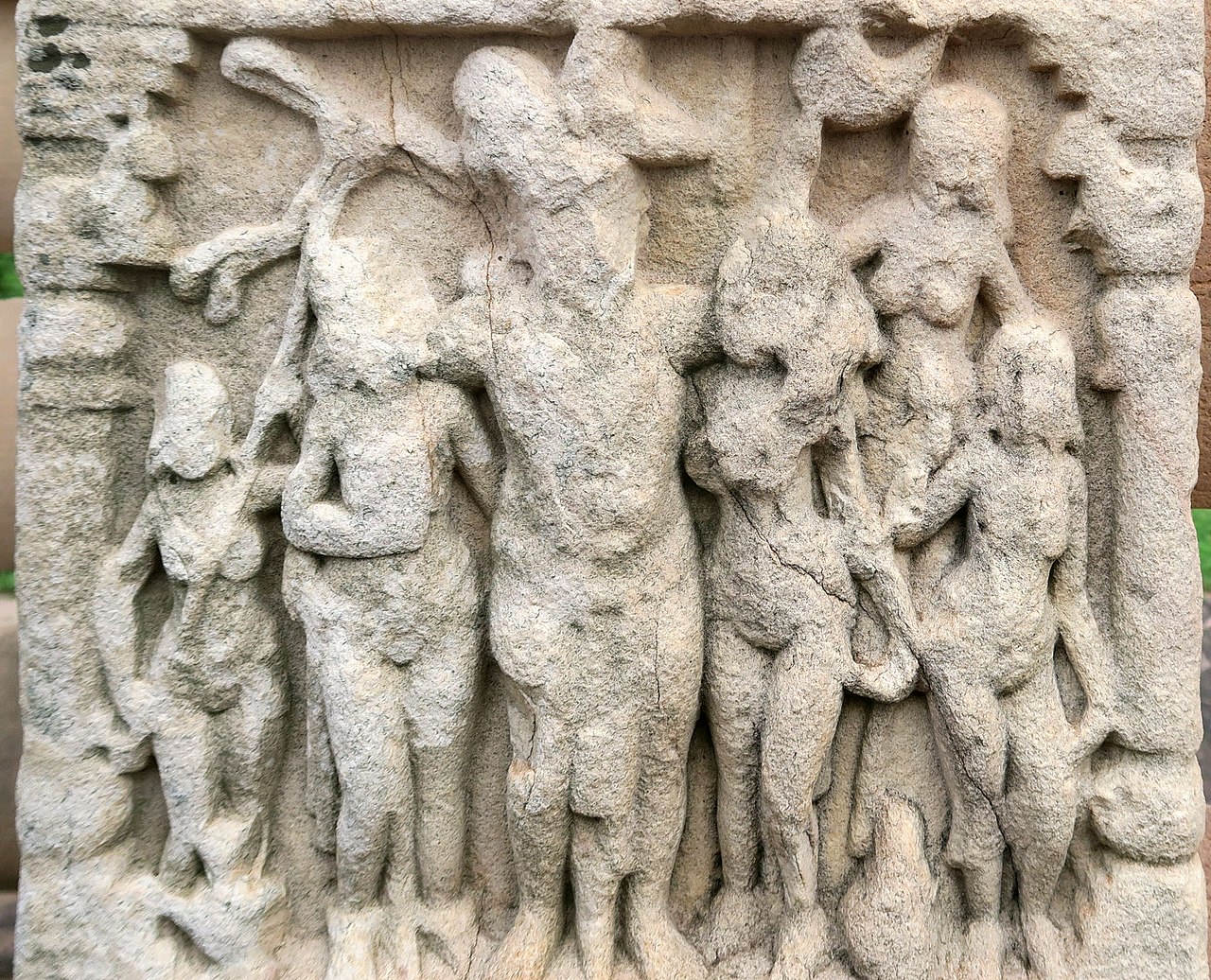
The Shunga era is notable for a resurgence of artistic activity and religious patronage. Architecture, sculpture, and relief decoration—seen at sites such as Bharhut and Sanchi—are often associated with this period, reflecting both Buddhist and Brahmanical themes. Scholarly production continued: for example, the commentarial work known as the Mahābhāṣya by the grammarian Patañjali is conventionally placed in this broad chronological window. While some ancient accounts allege that Pushyamitra favored Brahmanical institutions at the expense of Buddhist establishments, modern historians treat these claims cautiously; the archaeological and textual record shows continued activity in multiple religious traditions.
Notable features and legacy
- Transition: The Shungas mark a transition from pan-Indian imperial administration to a landscape of regional polities.
- Cultural patronage: Their period saw important developments in stone sculpture and stupa decoration that influenced later art.
- Military engagement: Recurrent warfare with both indigenous kingdoms and Hellenistic neighbors shaped political boundaries.
- Historical debate: Interpretations of Shunga religious policy and their impact on Buddhist institutions remain subjects of scholarly debate.
Rulers and succession
Pushyamitra Sunga established the line and was followed by Agnimitra; classical lists report about ten Shunga rulers in all. The dynasty’s decline involved internal fragmentation and external pressure until the Kanva family supplanted them in the late 1st century BCE. The Shunga interlude is therefore often studied as a key phase in the reconfiguration of ancient South Asian politics and culture.
Related articles
Author
AlegsaOnline.com Shunga Empire (mid-2nd–1st century BCE) Leandro Alegsa
URL: https://en.alegsaonline.com/art/90100