
Mathura — Ancient Indian city and Hindu pilgrimage center
Mathura is an ancient city in Uttar Pradesh, India, revered in Hindu tradition as Krishna's birthplace and known for its archaeological heritage, temple complex, and role in classical Indian art.
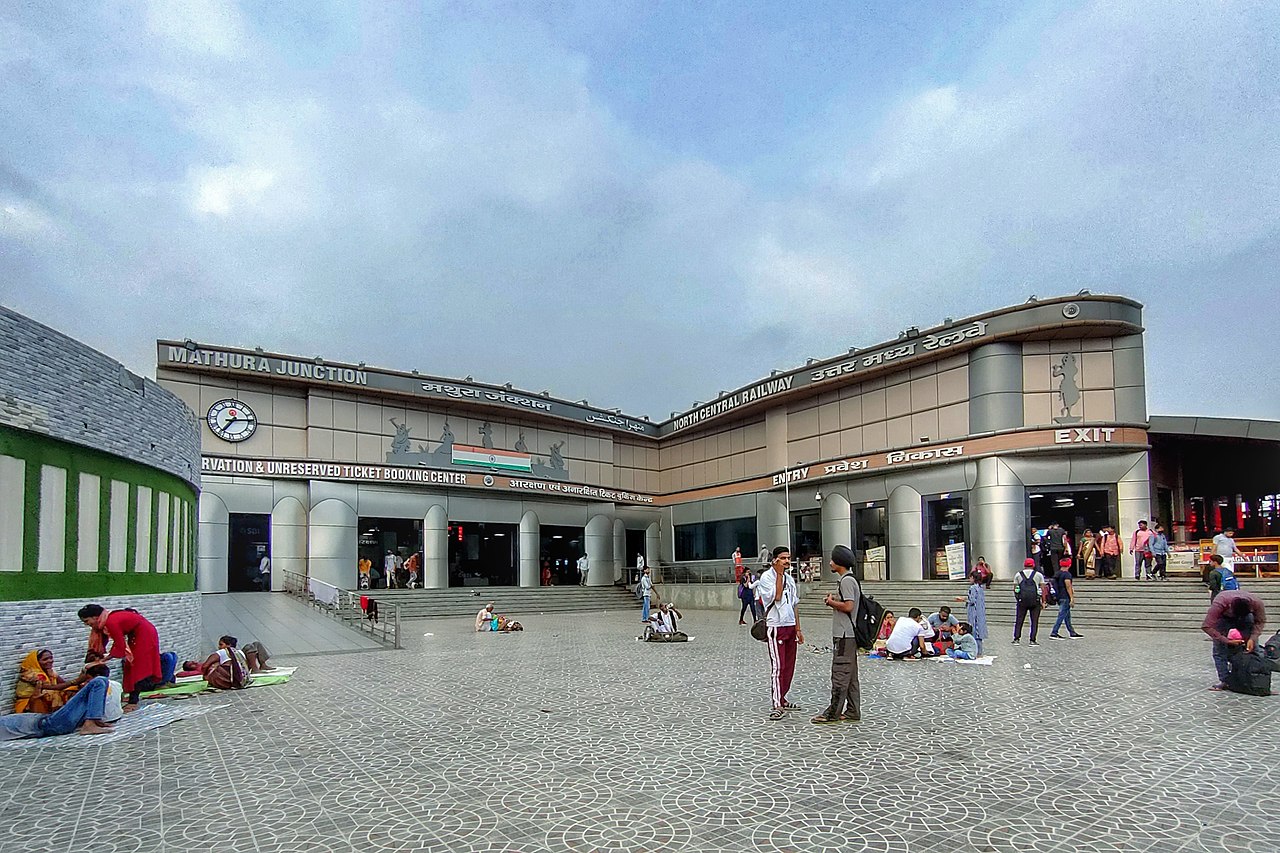
Mathura is a historic city in the Indian Uttar Pradesh state, located on the banks of the Yamuna River in northern India. It is traditionally regarded as the birthplace of the Hindu deity Krishna and is counted among the sacred Sapta Puri — the seven holy cities of Hinduism. The site has a continuous human presence from antiquity and played an important part in the social, religious and artistic life of Ancient India.
Image gallery
10 Images




Historical background
Archaeological remains and literary sources show Mathura as a regional urban centre across many historical phases. It flourished during the early centuries of the Common Era under dynasties often grouped as the Kushan and later the Gupta age, becoming a centre for trade and artistic production. Excavations have revealed pottery, coins and stone sculpture that testify to long-standing occupation and evolving religious practices.
Religious and cultural significance
Mathura's principal religious identity derives from its long association with Krishna and Vaishnavism; the Krishna Janmabhoomi (birthplace) complex and numerous temples attract pilgrims year-round. The region around Mathura, including nearby Vrindavan and Govardhan Hill, forms a dense network of sacred sites and festival rituals such as Janmashtami and Holi, which draw both devotees and visitors.
- Notable sites: Krishna Janmabhoomi temples, historic ghats on the Yamuna, and several ancient ruins and museums.
- Art and archaeology: Mathura gave its name to the Mathura school of art, noted for red sandstone sculpture and early images of Buddhist, Jain and Hindu deities.
- Pilgrimage: Functions as a major pilgrimage destination tied to the broader Braj region.
In modern times Mathura is both a pilgrimage hub and a living city with markets, agriculture in surrounding areas, and heritage institutions. Its layered history—religious tradition, archaeological importance and artistic legacy—makes Mathura a key place for understanding religious and cultural developments in northern India.
Related articles
Author
AlegsaOnline.com Mathura — Ancient Indian city and Hindu pilgrimage center Leandro Alegsa
URL: https://en.alegsaonline.com/art/62824