
Bari — port city and capital of Apulia, Italy
Bari is a seaport and regional capital on Italy’s Adriatic coast. Known for its historic old town, Basilica of Saint Nicholas, university and ferry links to the Balkans, it is a cultural and economic hub of Apulia.
Overview
Bari is a major city on Italy's Adriatic coast and the administrative capital of the Apulia region. The municipality contains roughly 300,000–350,000 residents, while the wider urban and metropolitan zones include several hundred thousand more and approach about one million inhabitants by some estimates. Bari combines a busy commercial port, a compact medieval old town and modern districts that expanded during the 20th century. For the Italian pronunciation and local forms see Italian name and dialect.
Image gallery
10 Images
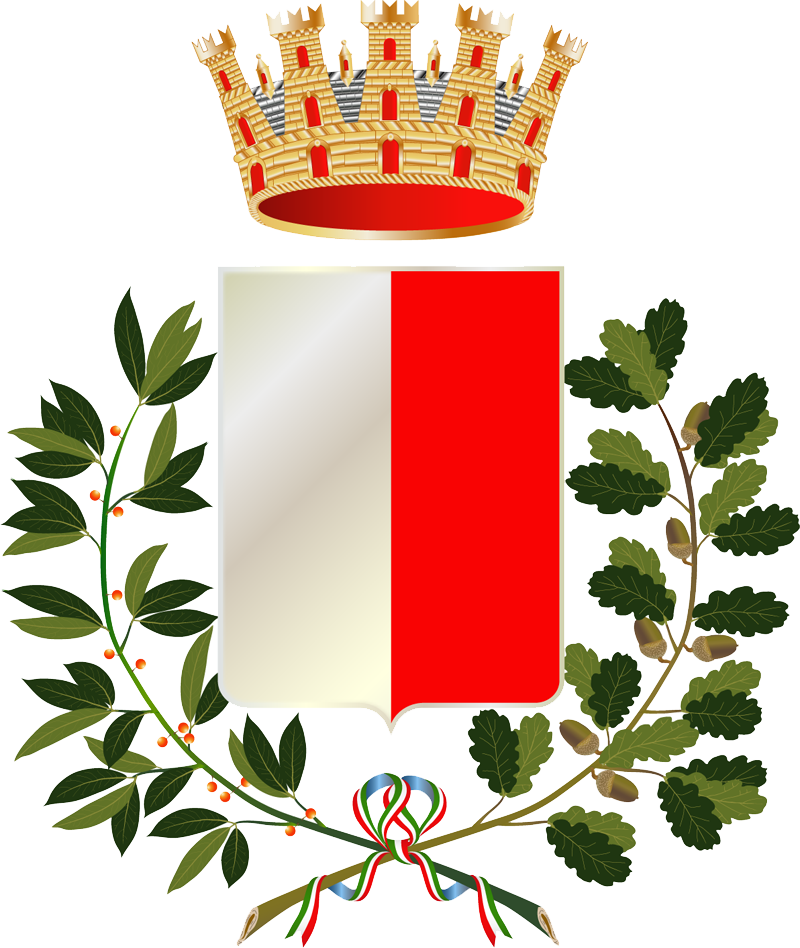


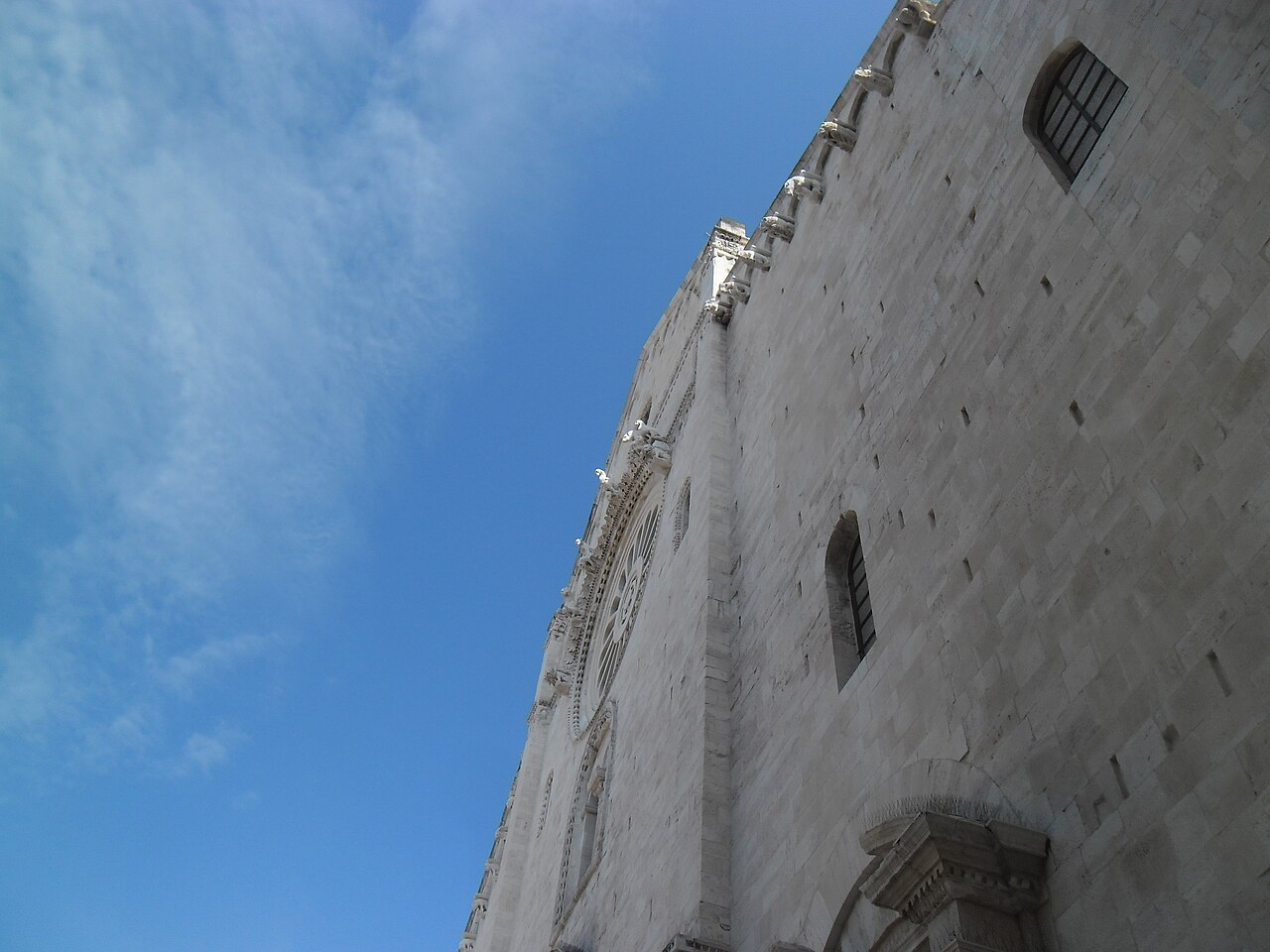
Location and geography
Positioned on the southern Adriatic Sea, Bari serves as an important gateway between Italy and the Balkans. The city is the capital of its province and of the Apulia region and functions as a regional transport hub by sea, rail and road. See its location in the context of southern Italy and the Apulia region. The metropolitan area and commuter belt are discussed in broader regional studies (metropolitan area).
History and notable events
Bari's history stretches from antiquity through the Middle Ages to the present. It grew as a port and trading centre in the medieval period and acquired particular religious importance with the relics of Saint Nicholas, which attracted pilgrims from across Europe. In modern times the city developed industry, transport links and universities. During World War II Bari was the scene of a devastating air raid that damaged ships and port facilities; this episode has frequently been compared in contemporary accounts to a localized Pearl Harbor (World War II context, air raid on Bari, often called the "Little Pearl Harbor" in journalism).
Economy and transport
Bari's economy mixes public administration, port commerce, light industry, university and services. The port maintains regular ferry and cargo connections across the Adriatic to countries such as Albania and Montenegro, making it an important maritime link for passenger travel and trade. Rail connections tie Bari to Italy's national network, while the airport provides domestic and some international flights. For ferry and port services see regional transport references (comparison with Naples and other southern ports).
Culture, landmarks and gastronomy
Bari's old town (Bari Vecchia) is noted for narrow streets, historic churches and the Basilica of Saint Nicholas — a pilgrimage site and architectural landmark. Other notable sites include the medieval Castello Svevo, seafront promenades and contemporary cultural venues. Local cuisine highlights Apulian specialties such as orecchiette pasta, fresh seafood and olive oil produced in the surrounding countryside. The city hosts cultural festivals, academic institutions and museums that reflect its maritime and Mediterranean heritage.
Main sights
- Basilica of Saint Nicholas and religious heritage
- Bari Vecchia (the historic quarter) with traditional shops and eateries
- Castello Svevo and coastal fortifications
- Modern seafront, university precincts and museums
Bari remains a focal point of Apulia for administration, culture and transport: a place where historical layers meet active port commerce and contemporary urban life. For further official or detailed cultural resources consult regional guides and local institutions (language and local resources, regional context).
Tags
Related articles
Author
AlegsaOnline.com Bari — port city and capital of Apulia, Italy Leandro Alegsa
URL: https://en.alegsaonline.com/art/8978
Sources
- istat.it : "Superficie di Comuni Province e Regioni italiane al 9 ottobre 2011"
- demo.istat.it : "Popolazione Residente al 1° Gennaio 2018"
- demo.istat.it : Monthly demographic balance: January–April 2009
- palapa.it : "Quartieri"
- clima.meteoam.it : "Bari"
- gzwaishi.gov.cn : "Sister Cities of Guangzhou"