
Air raid on Bari (2 December 1943): harbor attack and mustard gas release
The 2 December 1943 German air attack on the Allied-held port of Bari sank many ships and caused a secretive mustard gas incident with lasting historical significance.
Overview
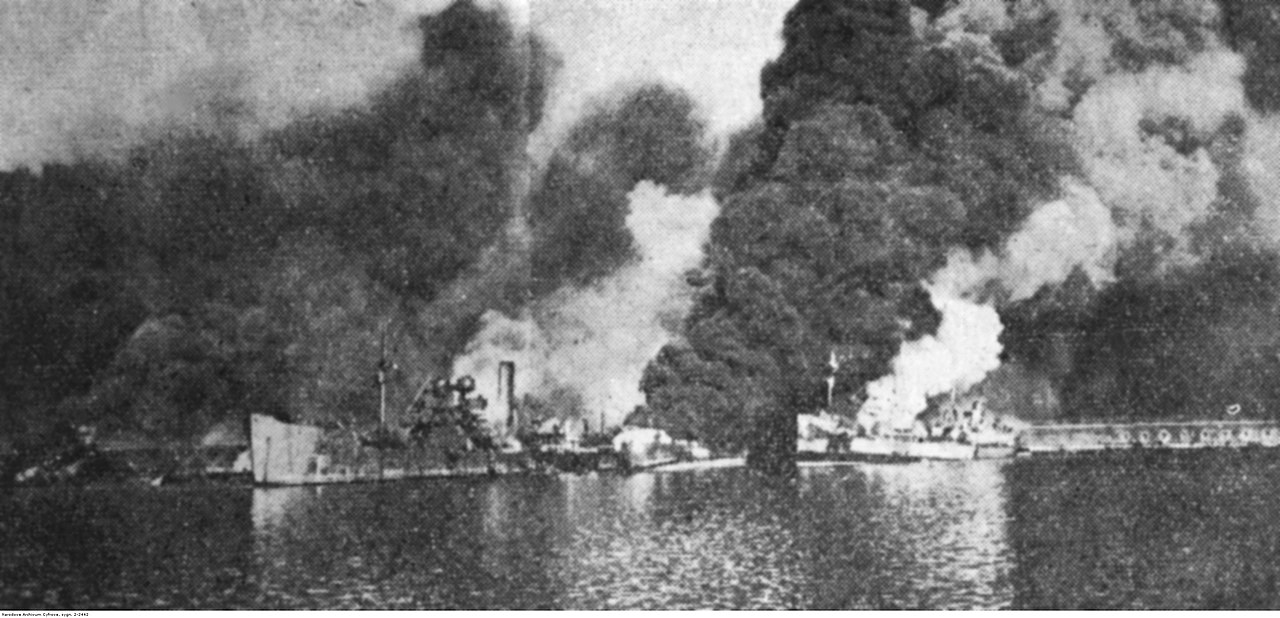
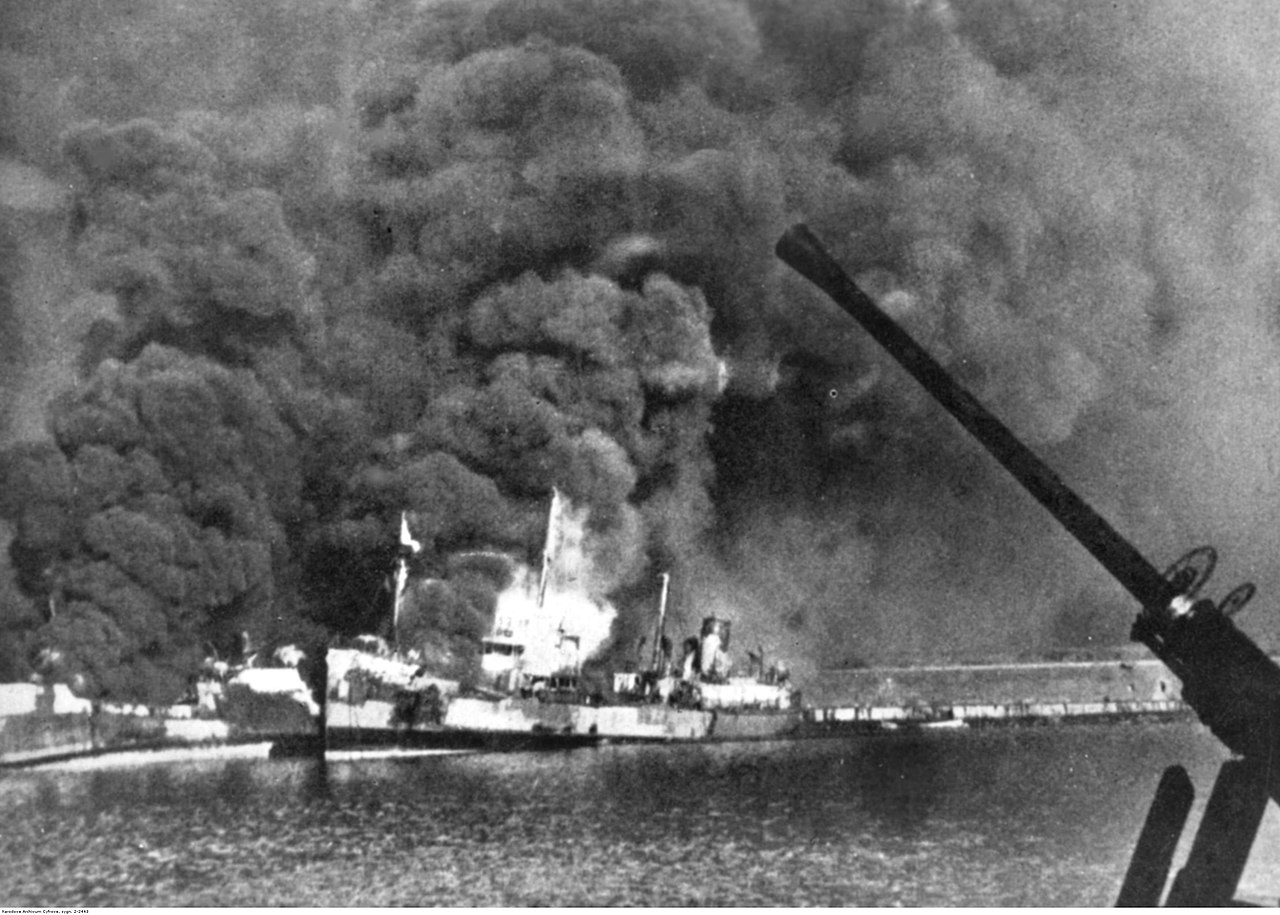
On 2 December 1943 the Italian port of Bari was struck by a concentrated air attack during the Allied campaign in southern Italy. The raid was carried out by German aircraft from Luftflotte 2 and targeted Allied shipping and supply lines supporting front-line operations. The assault destroyed much of the harbor infrastructure in roughly an hour and became widely remembered for both its sudden damage and an unexpected chemical hazard among the wreckage.
Image gallery
4 Images

Attack details and forces involved
The strike force consisted primarily of German units flying Junkers Ju 88 medium bombers. Contemporary accounts describe a coordinated night attack that caught many vessels at anchor. Attackers are commonly identified simply as German bombers; reports refer to the targets as Allied shipping and port facilities belonging to the Allied effort in the Mediterranean theater of World War II. According to operational summaries, dozens of freighters and transports were lost in the harbor and several fires spread along the quays.
Damage, losses and immediate consequences
Damage assessments recorded numerous sunken cargo and transport ships, with one small sailing vessel also destroyed. The port's handling capacity was severely reduced and repairs took months to restore normal operations. The raid disrupted the flow of men and materiel to the Italian front and imposed a logistical setback on Allied planners. The event was sometimes labeled the "Little Pearl Harbor" in contemporary and later descriptions because of the surprise and concentrated destruction.
Mustard gas incident and secrecy
One of the most notable and controversial outcomes was the release of a blister agent from a cargo vessel that had been carrying chemical munitions. That agent, commonly identified as mustard gas, contaminated water, burning oil and air, which produced unusual medical cases among sailors, merchant seamen and rescue workers. For operational and political reasons the British and American authorities initially restricted information about the presence of chemical munitions and about the clinical cause of some victims' injuries; this secrecy influenced medical treatment and delayed public disclosure.
Significance and later assessments
The air raid on Bari is studied for several reasons: as an example of how a well-timed air strike can disrupt supply hubs; as a case in wartime censorship and handling of hazardous materials; and as an episode that prompted changes in how chemical ammunition was stored and declared aboard Allied vessels. Naval and medical historians have examined the incident to understand both the operational lessons for harbor defense and the consequences of withholding chemical-exposure information from treating physicians and families.
Notable facts and legacy
- The attack targeted a crowded wartime harbor with a mix of military and civilian cargoes, amplifying secondary hazards.
- Subsequent repair work restored the port over the following months, but the interruption affected supply operations during a critical period of the Italian campaign.
- The episode remains an example of the complex interaction between military necessity, hazardous cargo management and public disclosure in wartime.
Researchers and readers seeking primary sources and further documentation can consult wartime reports, naval histories and declassified medical studies that discuss the raid, the ships lost, and the medical response. Contemporary references and specialized studies provide more granular detail on unit movements, ship manifests and the reconstruction of Bari after the attack. For introductory background, see sources about the air arm of the German forces and the broader Mediterranean theater (bombers, German, Allied operations) and contemporary overviews of the Italian campaign (World War II).
Further reading and archival materials can be located through naval war diaries and postwar evaluations; for accessible summaries, consult published collections and curated online resources that compile eyewitness accounts, photographs, and medical reports (mustard gas, Junkers Ju 88, Little Pearl Harbor, Bari, bombers).
Questions and answers
Q: What was the air raid on Bari?
A: The air raid on Bari was an air attack by German bombers on Allied forces and shipping in Bari, Italy during World War II.
Q: When did it occur?
A: It occurred on 2 December 1943.
Q: What type of aircraft were used in the attack?
A: 105 German Junkers Ju 88 bombers of Luftflotte 2 were used in the attack.
Q: How many ships were sunk as a result of the attack?
A: 27 cargo and transport ships and a schooner were sunk as a result of the attack.
Q: How long did the attack last?
A: The attack lasted one hour.
Q: Why is this event referred to as "Little Pearl Harbor"?
A: This event is referred to as "Little Pearl Harbor" because it destroyed the port, much like what happened at Pearl Harbor.
Q: What caused additional deaths beyond those from bombs and gunfire?
A: Mustard gas released from one of the cargo ships caused additional deaths beyond those from bombs and gunfire.
Related articles
Author
AlegsaOnline.com Air raid on Bari (2 December 1943): harbor attack and mustard gas release Leandro Alegsa
URL: https://en.alegsaonline.com/art/1647
Sources
- books.google.com : Coningham: a biography of Air Marshal Sir Arthur Coningham