
Shavuot: Jewish festival of weeks, Torah revelation and harvest
Shavuot is the Jewish festival marking the giving of the Torah and the wheat harvest. Observed on 6 Sivan, it concludes the Counting of the Omer and combines religious, historical, and agricultural traditions.
Overview
Shavuot (Hebrew: "Weeks") is a Jewish festival occurring on the sixth day of the month of Sivan. The name refers to the seven-week interval counted from Passover, known as the Counting of the Omer, which culminates on the fiftieth day. The holiday commemorates, in rabbinic tradition, the giving of the Torah to the assembled people at Mount Sinai and also preserves an older agricultural identity as a wheat-harvest and first-fruits celebration. The festival is referenced across Jewish practice and appears in many liturgical and communal customs. Some communities refer to the holiday as Shavuos in Ashkenazic pronunciation, and it is broadly recognized as a holiday in the Jewish calendar.
Image gallery
7 Images




Core meanings and timing
Shavuot falls on the sixth of Sivan, usually in May or June, and is counted precisely as forty-nine days after Passover. The fiftieth day is marked by special observances and, in Christian tradition, roughly corresponds to Pentecost. Rabbinic literature links Shavuot to the revelation at Mount Sinai, when, according to traditional belief, God entrusted the Torah to the people of Israel. The Biblical text does not explicitly tie the festival to the giving of the Torah; that association developed in later Jewish interpretation.
Customs and synagogue observance
The holiday blends synagogue rituals, study practices and home customs. Typical communal and religious elements include:
- Torah readings: Special liturgy and public Torah readings, often including a communal reading of the Ten Commandments.
- All-night study: Many communities hold a Tikkun Leil Shavuot—an evening and night of study and lectures on Torah and religious texts.
- Book of Ruth: The biblical Book of Ruth is traditionally read in synagogue on Shavuot because of its themes of conversion, loyalty and harvest.
- Dairy foods: A widespread custom is to eat dairy dishes (cheesecakes, blintzes) on the holiday; explanations range from symbolic to halakhic and historical.
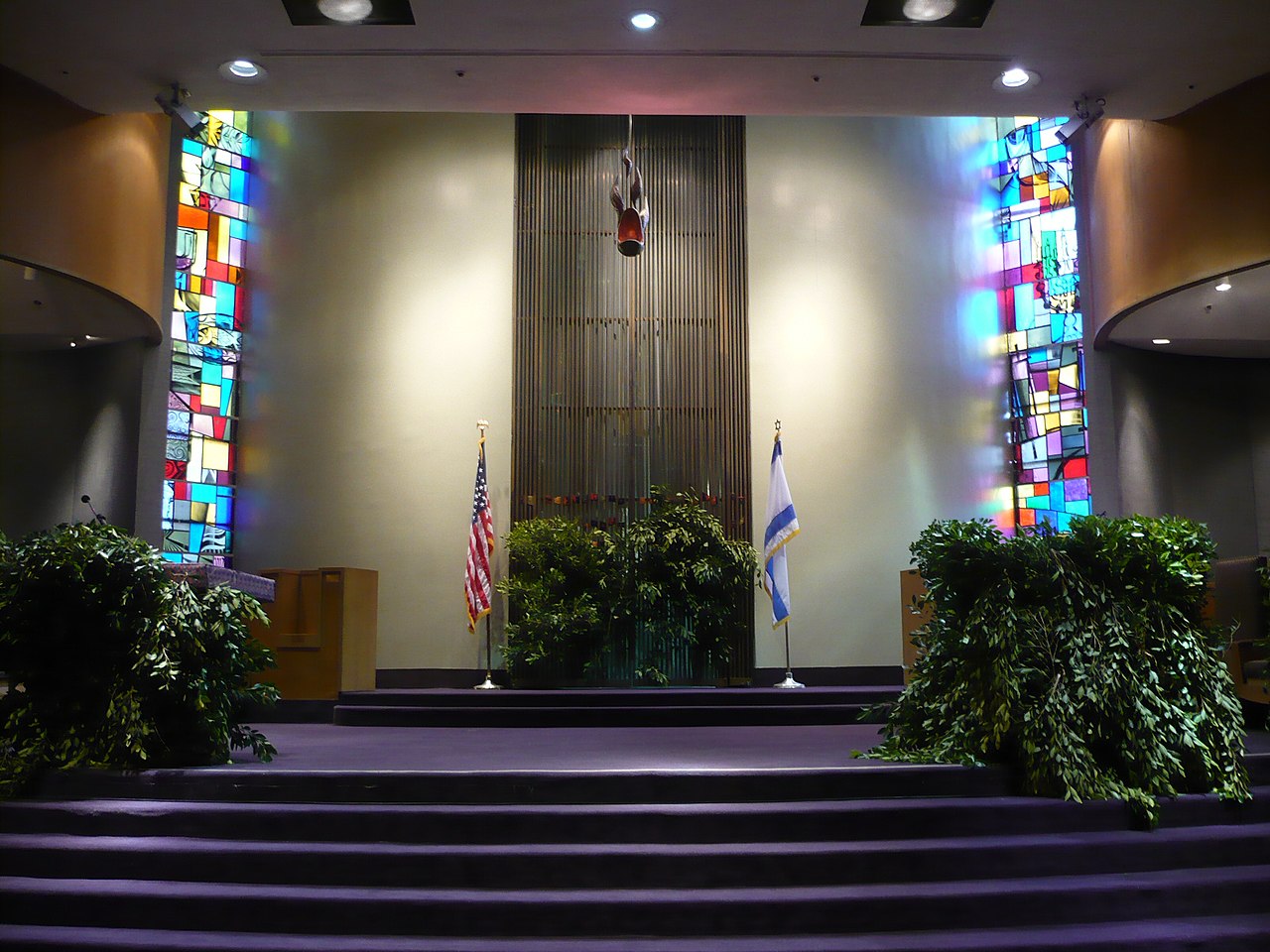
- Decorations: Synagogues and homes are often adorned with flowers and greenery to evoke Mt. Sinai and the agricultural season.
- Temple-era rites: In antiquity the festival included offerings of first fruits (Bikkurim) and the waving of two loaves of bread (Shtei HaLechem) in the Jerusalem Temple.
History and development
Shavuot is one of the three pilgrimage festivals (Shalosh Regalim), along with Passover and Sukkot, during which ancient Israelites brought agricultural offerings to the Temple in Jerusalem. Over time rabbinic authorities emphasized the connection between the agricultural calendar and Israel's national and religious story, framing Shavuot as the moment the Torah was made covenantal. After the destruction of the Temple the festival's sacrificial elements were replaced by synagogue rites, textual study and communal customs preserved across Jewish communities.
Variations and modern practice
Observance varies by denomination and location. Under classical Jewish law the festival is one day in the land of Israel and traditionally observed for two days in the Diaspora because of historic calendar uncertainties; many Secular Jews in the Diaspora mark the day less intensively while Orthodox communities maintain full ritual practice. Reform movements commonly observe a single day. In Israel and among religious communities worldwide, Shavuot remains an occasion for synagogue services, study, readings and family meals; in modern Israeli public life it is also a civic holiday with cultural programs celebrating both heritage and harvest themes.
Notable distinctions
Shavuot's dual character—as an agricultural festival and as the anniversary of Torah revelation—distinguishes it within the Jewish year. Unlike holidays tied primarily to historical events, Shavuot links seasonal cycles of sowing and reaping with religious instruction and legal formation. The holiday thereby functions both as a festival of gratitude for the land's produce and as a centerpiece for Jewish education and communal renewal.
For further reading and community resources see: Ashkenazic usages, holiday calendar, legal notes on observance, cultural reflections for secular communities and historical background on Mount Sinai and the land of Israel. Comparative studies connect the timing to Passover and the wider Mediterranean festival cycle, sometimes noted alongside Pentecost in interfaith discussions.
God, the Torah, and the narrative of revelation remain central to many celebrants, while agricultural and cultural customs preserve the festival's ancient rhythms for the modern world.
Related articles
Author
AlegsaOnline.com Shavuot: Jewish festival of weeks, Torah revelation and harvest Leandro Alegsa
URL: https://en.alegsaonline.com/art/89541
Sources
- forward.com : "Shavuot: The Zeppo Marx of Jewish Holidays"
- rabbiwein.com : "Shavuot Thoughts"
- myjewishlearning.com : My Jewish Learning on Shavuot