
Biblical Mount Sinai (Horeb): Tradition, identifications and religious significance
Mountain in the Hebrew Bible where Moses received the Ten Commandments. Traditions identify it with Jebel Musa and other Sinai sites; its exact location and archaeological evidence remain debated.
Overview
The mountain known in the Bible as Mount Sinai is the location where, according to the narrative, God revealed the law to the Israelites and gave the Ten Commandments. The episode is central to the books traditionally ascribed to Moses and appears in later Jewish, Christian and Islamic traditions. The site is sometimes called Horeb in biblical texts, and the mountain functions in scripture both as a physical place and as a theological setting for covenant and lawgiving.
Image gallery
10 Images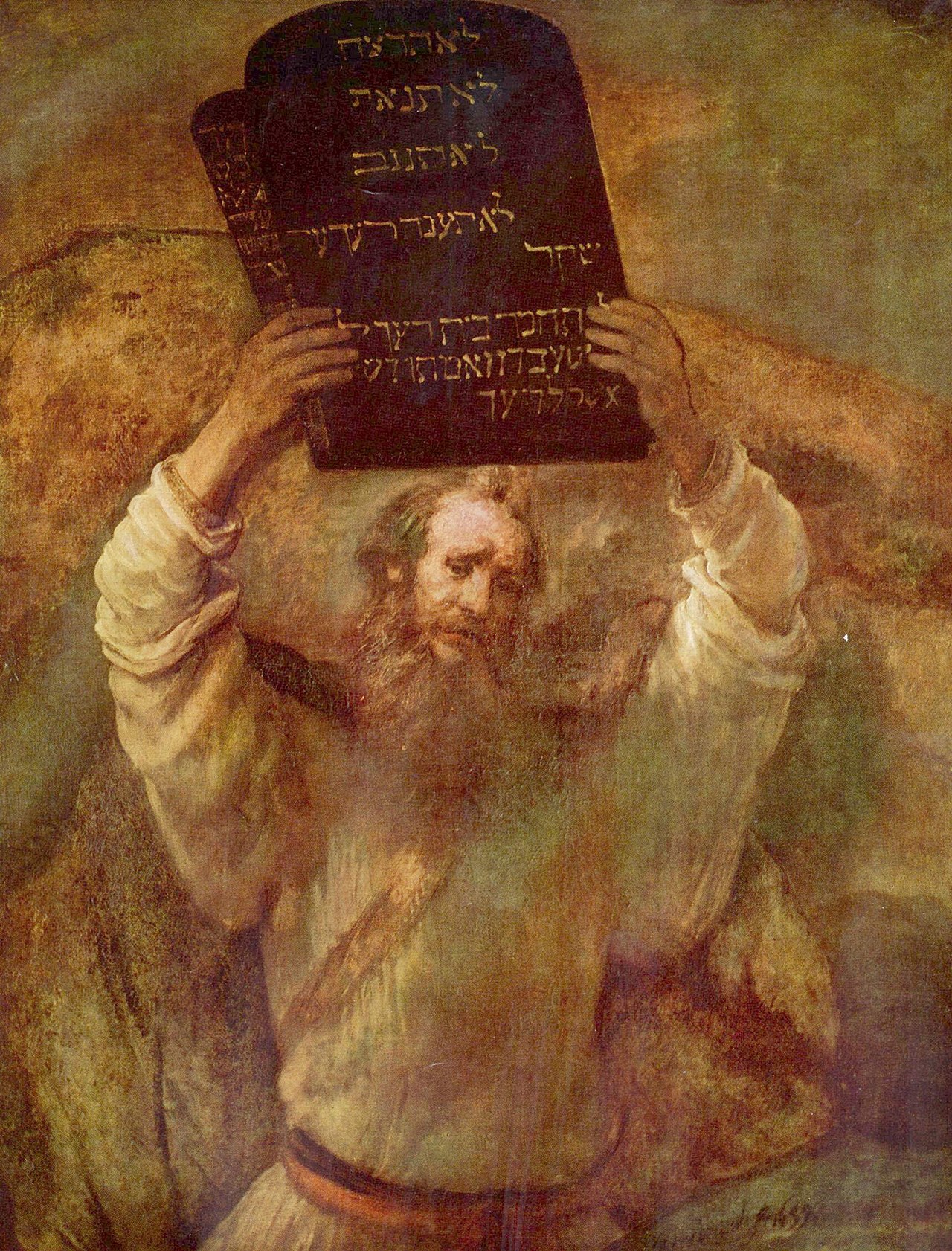




Names and textual description
Ancient texts apply more than one name to the site, most commonly "Sinai" and "Horeb." Biblical passages describe dramatic phenomena—thunder, smoke, fire and a voice from the cloud—that frame the encounter as revelatory and communal. These literary features have shaped later interpretations and the search for a corresponding landscape feature.
Traditional identifications
The best-known identification in later religious tradition places the biblical mountain at Jebel Musa ("Mount Moses") in the southern Sinai Peninsula. That site became associated with pilgrimage and monastic settlement, including a monastery near its base that preserves an ancient devotional memory. Popular guides and devotional literature often point to this traditional location as the biblical Sinai (Jebel Musa, Mount Sinai).
Alternative proposals
Scholars and explorers have proposed multiple alternative locations across the Sinai and northwestern Arabia. Some suggest higher ground nearer Wadi Sudr or other wadis in the central and northern Sinai. These proposals are based on attempts to reconcile textual clues, ancient travel patterns and topography; none has achieved universal acceptance (Wadi Sudr).
Archaeology and scholarly debate
Archaeological evidence directly linking a specific mountain to the biblical narrative is lacking, and scholars debate the historicity, dating and geographical framework of the Exodus narratives. Methods used in these debates include textual criticism of the Old Testament passages, comparative study of ancient Near Eastern lawgiving scenes, survey of material remains in candidate regions, and critical assessment of later pilgrimage traditions. The diversity of approaches explains the continued uncertainty.
Religious significance and reception
Beyond questions of geography, Mount Sinai remains a formative symbol in religious thought. In Judaism it is celebrated as the locus of the covenant and the revelation of Torah; in Christianity the event is interpreted in light of law and grace; in Islam the mountain and the lawgiving motif appear in scriptural memory and exegesis. The figure of Moses and the encounter with God on the mountain continue to shape theological reflection, liturgy and moral discourse.
Pilgrimage, art and cultural legacy
For many centuries pilgrims have visited the traditional Sinai site, producing accounts, art and devotional literature that have preserved and transformed memories of the event. Artistic depictions and liturgical texts repeatedly draw on the mountain's imagery—fire, cloud, and law—as metaphors for authority and encounter. Modern travel, archaeology and interfaith interest have renewed attention to the question of location while also highlighting the mountain's enduring symbolic power.
Further reading and resources
- Primary scriptural accounts and later commentaries in the sacred corpora of Judaism, Christianity and Islam.
- Studies that survey traditional pilgrimage sites and the history of identification (Mount Sinai, Jebel Musa).
- Geographical and archaeological discussions that examine alternative candidates such as areas near Wadi Sudr and other parts of the Sinai Peninsula.
- Textual and historical-critical literature on the Old Testament narratives and their development.
- Introductory accounts of the life and role of Moses and the tradition of the lawgiving encounter with God.
This entry aims to summarize traditional identifications, scholarly proposals and the broader religious importance of Mount Sinai while acknowledging that exact identification remains a matter of ongoing research and diverse interpretation.
Related articles
Author
AlegsaOnline.com Biblical Mount Sinai (Horeb): Tradition, identifications and religious significance Leandro Alegsa
URL: https://en.alegsaonline.com/art/11243
Sources
- simpletoremember.com : "Did God speak at Mt. Sinai"