
Shadow of the Colossus
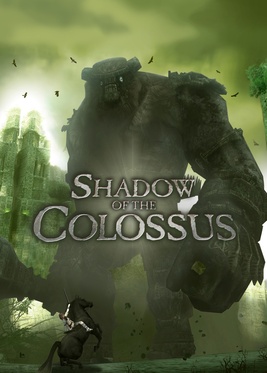
Shadow of the Colossus is a critically acclaimed action-adventure game by Team Ico. Players guide Wander across a forbidding land to defeat sixteen giant colossi and attempt to revive a girl, noted for minimalism and scale.
Overview
Shadow of the Colossus is an action-adventure game developed by Team Ico and published by Sony for the PlayStation 2 in 2005. The player controls a young man known as Wander who arrives in a forbidden land with a mysterious purpose: to revive a girl by destroying sixteen enormous beings called colossi. The title is widely recognized for its sparse design, emphasis on atmosphere, and large-scale boss encounters rather than traditional item collection, side quests, or populated settlements.
Image gallery
9 Images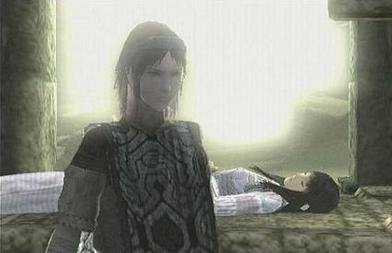


Story
The game's narrative is deliberately minimal and evocative. Wander brings a girl, commonly referred to as Mono, to a secluded shrine and makes a pact with a supernatural entity. To accomplish his goal he must seek out and defeat the sixteen colossi scattered across a vast, ruined landscape. The plot focuses on themes of sacrifice, the consequences of single-minded action, and moral ambiguity; much of the emotional content is conveyed through visual storytelling, character animation, and environmental detail rather than extended dialogue or exposition.
Gameplay and mechanics
Gameplay centers on exploration and a sequence of distinct boss encounters. Players traverse an open plain on foot and by horseback, locate a colossus, and engage in multi-stage confrontations that combine platforming, precision climbing, stamina management, and observation. Each colossus presents a unique puzzle: players must identify vulnerabilities and work out how to reach or exploit them. Key mechanics include a stamina or grip meter that limits how long the protagonist can cling to moving surfaces, the use of a bow for ranged interaction, and a minimal heads-up display that reinforces immersion.
Art, sound and themes
The visual design stresses scale and tone. Colossi are often depicted as monumental, animal- or deity-like forms moving through ruined architecture and open skies, reinforcing a sense of solitude. The soundtrack and sound design underscore the emotional weight of encounters, alternating between quiet, contemplative passages and intense, dramatic crescendos during boss fights. Critics and players have noted how the game's aesthetics and pacing prompt reflection on the cost of the player's mission.
Development and creators
Shadow of the Colossus was made by Team Ico, a small development team within Sony known for experimental, artful design. The project followed the studio's earlier title Ico and extended its interest in minimalism and atmosphere. The development process focused on creating memorable set pieces and refining the player experience around a handful of core systems rather than populating the world with numerous secondary mechanics.
Releases and versions
After its original PlayStation 2 release, Shadow of the Colossus was remastered for newer PlayStation hardware and later rebuilt as a full remake for modern consoles. These later versions offered improved graphics, updated technical performance, and other enhancements while preserving the original's structure and tone. Different editions and reissues have introduced the title to new generations of players and platforms.
Reception and legacy
The game received widespread critical acclaim and is frequently cited in discussions about video games as an expressive medium. Reviewers praised its ambition, art direction, and the emotional resonance of its encounters. Over time it has been influential on designers exploring minimalist narratives, environmental storytelling, and the design of singular, large-scale confrontations. It is commonly referenced among notable examples of games that blend gameplay and artistic intent.
Further reading
For more detailed information, interviews, technical notes and analyses, consult the following resources:
- Development background and interviews
- Critical reviews and retrospective essays
- Information about Team Ico and related projects
- Release timeline and platform editions
- Soundtrack and composer notes
- Game design analyses and essays
- Art direction and visual studies
- Player guides and strategies for the colossi
- Remaster, remake and technical comparisons
- Interviews with producers and creators
- Community discussions and fan projects
- Historical context and influence within the medium
Related articles
Author
AlegsaOnline.com Shadow of the Colossus Leandro Alegsa
URL: https://en.alegsaonline.com/art/89341