
Shahnameh: The Persian Book of Kings
The Shahnameh is the national epic of Persia—an extensive poetic chronicle by Ferdowsi recounting mythical origins, heroic legends, and the historical dynasties of Iran, foundational to Persian language and culture.
The Shahnameh, commonly translated as the "Book of Kings," is a monumental epic poem composed in New Persian that recounts the legendary and historical past of Iran. It was written by the poet Ferdowsi, a native literary figure, over several decades, with composition dated to circa 977–1010. The work is regarded as the national epic of the region and a cornerstone of the Persian language, preserving narrative traditions and linguistic forms after the Arab conquests. The author himself is often referred to simply as the poet who revived classical Iranian themes.
Image gallery
10 Images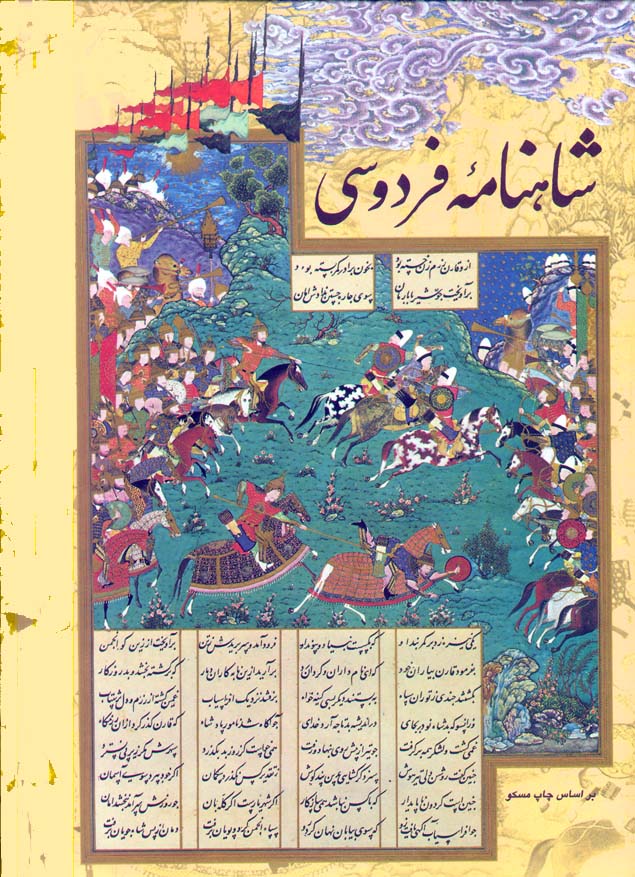


Structure and contents
The Shahnameh is usually divided into three broad sections that trace a cultural sweep from mythic beginnings to historical rule. Its structure combines cosmological tales, heroic sagas, and genealogies into a single poetic continuum.
- Mythical age: primeval kings, creation stories and supernatural episodes that set the cosmological stage (see mythical material).
- Heroic age: the most famous narratives, featuring warrior-heroes and dramatic conflicts, including the exploits of Rostam and the tragedy of Sohrab.
- Historical age: chronologies of rulers and events that approach the medieval period, blending legend with recorded dynastic history.
Themes, characters and style
The poem is written in rhyming couplets and combines epic action, moral dilemmas, and courtly detail. Central figures—such as Rostam, Sohrab, Jamshid and Zahhak—embody virtues and faults that shaped Persian literary archetypes. Recurring themes include kingship, fate, loyalty, heroism, and the tension between individual honor and political duty. The Shahnameh's language and imagery drew on oral tradition, earlier prose chronicles, and pre-Islamic Iranian myth to craft a unified national narrative.
Historical significance and influence
Beyond literature, the Shahnameh has had deep cultural impact across Persia and Iran and neighboring regions: it influenced visual arts (manuscript painting), music, theatre, and national identity. As a repository of stories and proper names, it preserved cultural memory through centuries of political change. The poem's moral and heroic episodes were frequently quoted in later Persianate literatures and taught as exemplars of classical style.
Legacy, transmission and study
Copied and illuminated in countless manuscripts, the Shahnameh survives in many medieval and later copies and has been translated into several languages. Modern scholarship examines its composition, sources, and reception; popular renditions and adaptations continue to introduce its tales to new audiences. For readers interested in the poet's life and reception, see a concise biography. The text remains a primary reference for understanding Iranian cultural history and the evolution of the Persian language in literary form.
Related articles
Author
AlegsaOnline.com Shahnameh: The Persian Book of Kings Leandro Alegsa
URL: https://en.alegsaonline.com/art/89379