
Sex toy
Devices and accessories designed to enhance sexual pleasure, used alone or with partners; overview of types, history, uses, safety, and social aspects.
A sex toy is an item or device created to increase sexual pleasure, either during partnered activity or during masturbation. Alternative names include "adult toy" and "marital aid." Related approaches to enhancing desire or arousal can include substances or traditional remedies; herbs described as aphrodisiacs and some pharmaceutical treatments are sometimes discussed alongside mechanical devices. For background on specific categories, see resources such as vibration-based toys and other introductory overviews.
Image gallery
9 Images
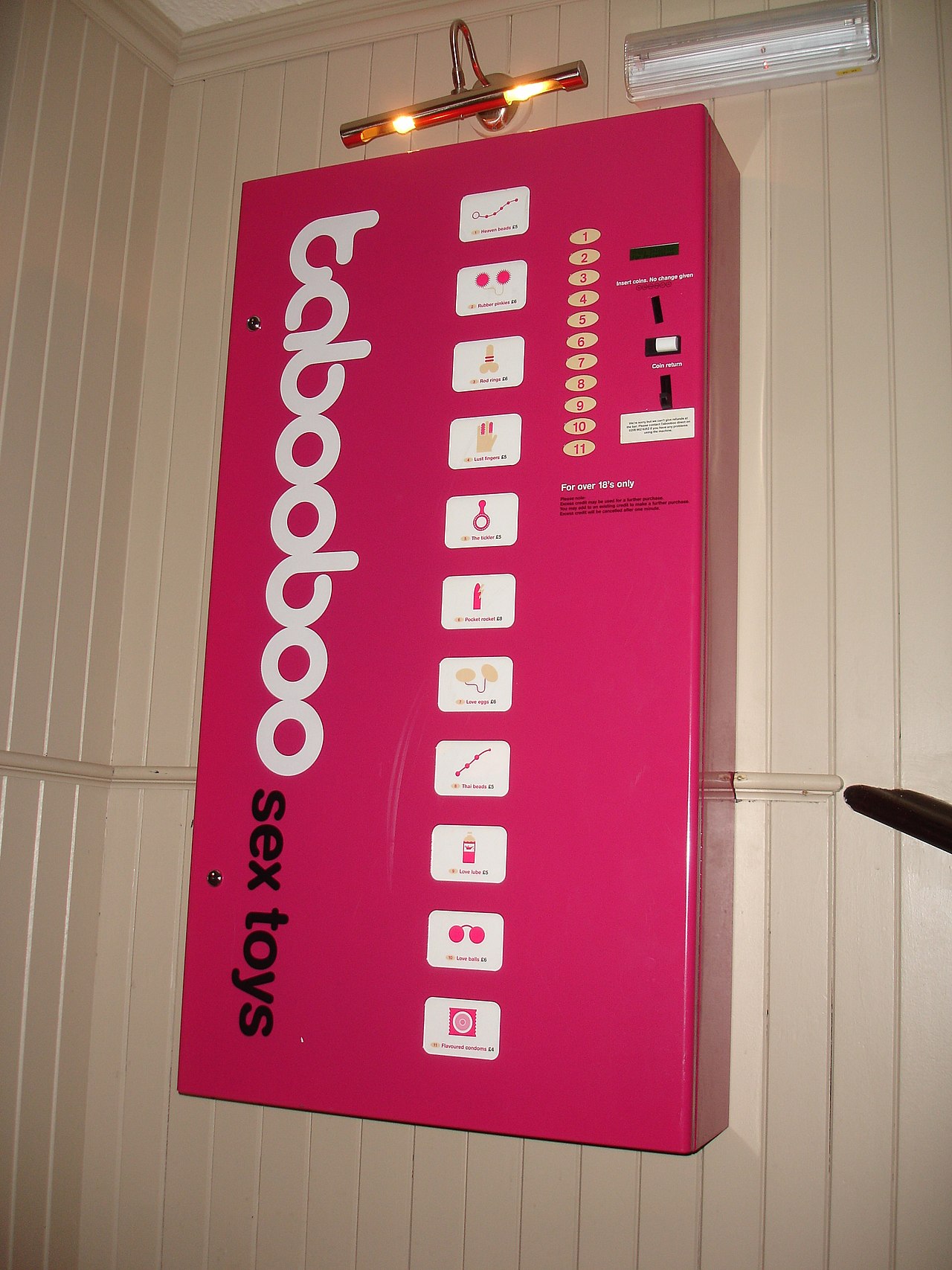
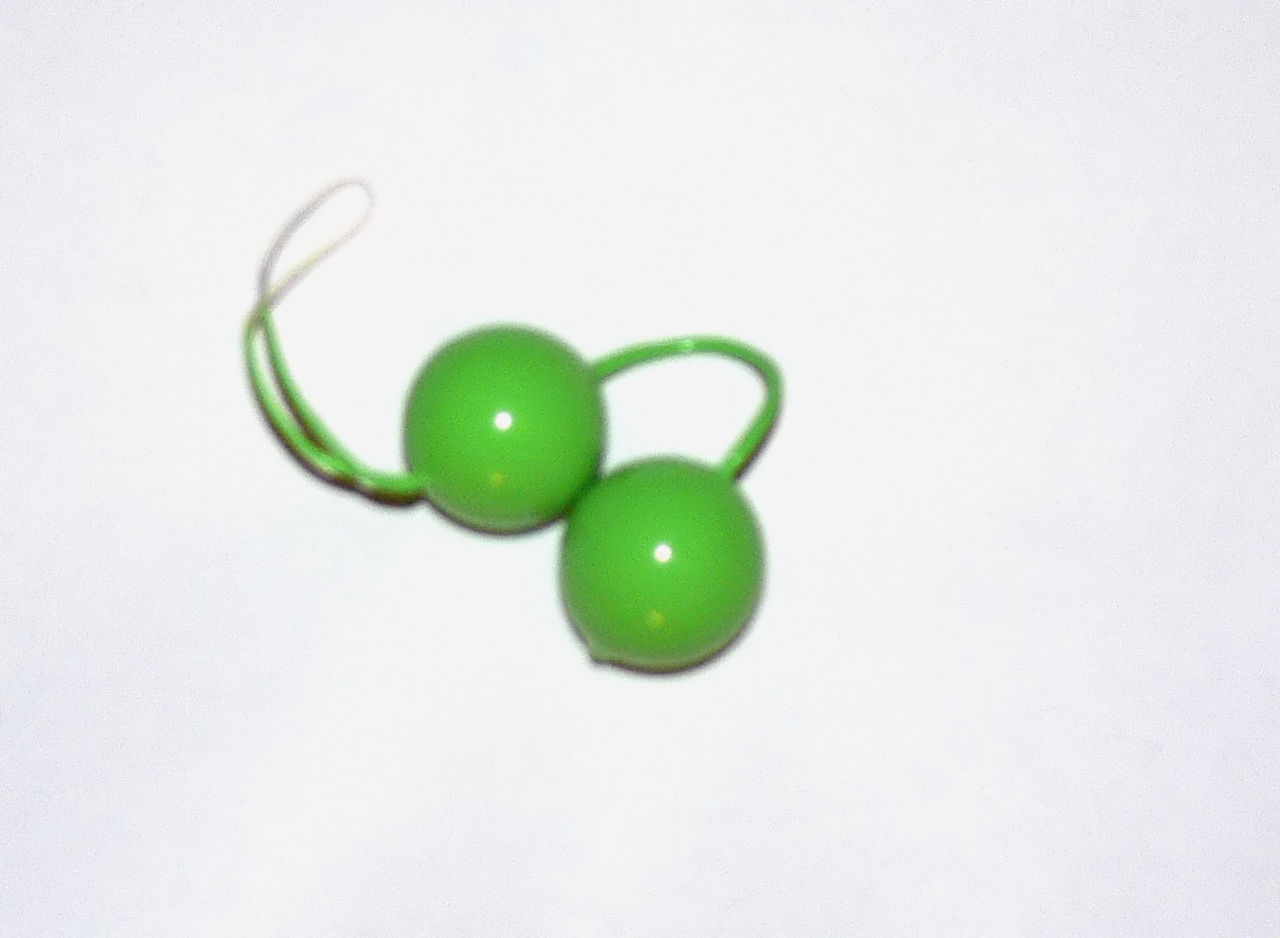
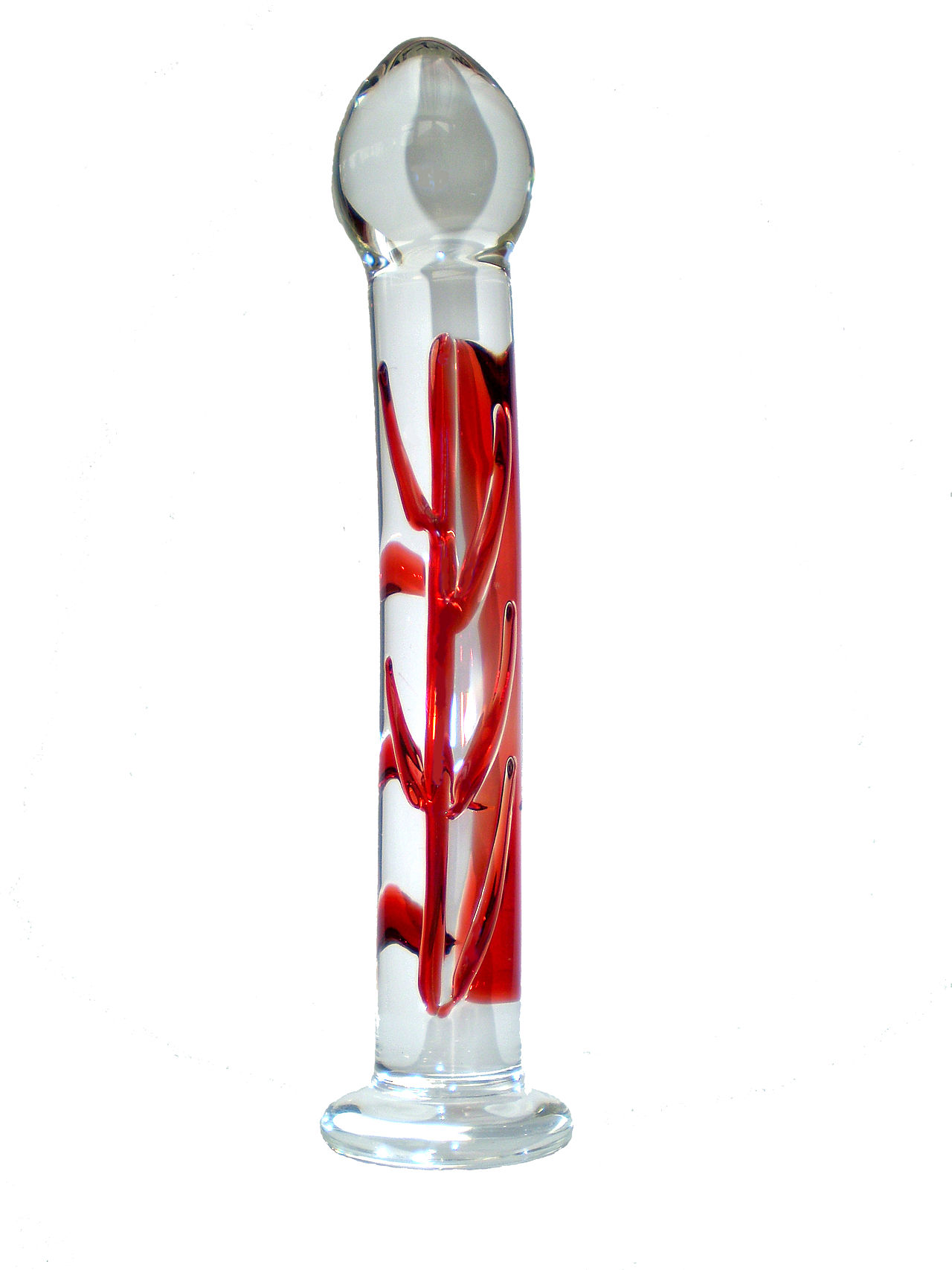





Common types and designs
- Vibrators: devices that produce vibration to stimulate external or internal erogenous zones; they vary in shape, intensity, and intended use.
- Dildos and plugs: non-vibrating shapes intended for penetration or stimulation; materials and profiles differ to suit diverse preferences.
- Masturbators and strokers: sleeves and artificial orifices designed to provide textured or warming sensations.
- Cock rings and constrictive devices: intended to alter erection firmness and prolong sensation.
- Anal toys: specifically shaped for safer anal play, commonly featuring a flared base to reduce risk of loss inside the body.
- Couples' and remote-controlled toys: designed for use with a partner or controlled at a distance through remotes or apps to facilitate shared play.
- BDSM implements and accessories: restraints, impact implements and sensory tools used within consensual role-play contexts.
Accessories such as water- or silicone-compatible lubricants, cleaning solutions, protective barriers and secure storage are an integral part of responsible use. Many users consult educational materials and community guides for technique, compatibility and safety; for general introductions see introductory guides and sources about partnered play or masturbation practices.
History and development
Objects used for sexual stimulation appear in a variety of cultural and historical records. In the modern industrial era, advances in materials such as rubber and silicone, and the availability of small electric motors, expanded design possibilities. Mechanical vibrators and related devices entered commercial markets and gradually moved from medical or novelty contexts into mainstream retail. Contemporary products emphasize body-safe, medical-grade materials, rechargeable power sources and, in some lines, software-enabled features for customization.
Uses, benefits and therapeutic contexts
Sex toys are used for pleasure, sexual exploration and education. They can help individuals learn about their own arousal patterns, assist people with physical limitations to achieve orgasm, and support couples wishing to expand their sexual repertoire or address mismatched libidos. Clinicians and sex therapists may recommend specific devices as part of treatment plans for sexual dysfunction or for rebuilding intimacy after medical events.
Safety, hygiene and selection
Responsible selection and maintenance reduce risks. Practical precautions include choosing body-safe materials, following manufacturer cleaning instructions, using a lubricant compatible with the toy material, inspecting devices for damage, and avoiding sharing without appropriate barriers or cleaning. Observe local laws and age restrictions; these products are intended for consenting adults.
Legal, social and cultural aspects
Attitudes toward sex toys vary widely by culture, religion and law. In some places they are widely accepted and openly sold; in others they may face social stigma or legal restrictions. Conversations about consent, privacy and respectful communication are central when introducing toys into intimate relationships.
Complementary approaches
Non-mechanical approaches to enhancing desire include herbal preparations and medical interventions. Such options should be discussed carefully because effects, safety and evidence vary; see overviews on traditional aphrodisiacs, information about medical treatments, and general summaries of claimed substances at aphrodisiac resources.
For readers seeking more practical advice, reputable sexual health organizations and experienced educators provide step-by-step guidance on choosing, using and maintaining toys safely. Combining accurate information with consensual communication helps ensure that devices enrich sexual wellbeing rather than create harm.
Related articles
Author
AlegsaOnline.com Sex toy Leandro Alegsa
URL: https://en.alegsaonline.com/art/89272