
Masturbation: definition, practices, health, and social perspectives
Overview of masturbation: what it is, common methods and devices, health effects, prevalence, social and historical views, mutual practices, and notable facts about animals and misconceptions.
Overview
Masturbation is the self-stimulation of one's own sexual organs, typically to produce sexual pleasure and sometimes orgasm. It is a private sexual behavior practiced by people of many ages, genders, and cultures. The act can be performed using the hands or body, or with the assistance of objects and sex toys. The experience often culminates in an orgasm, though pleasure without orgasm is common.
Image gallery
5 Images

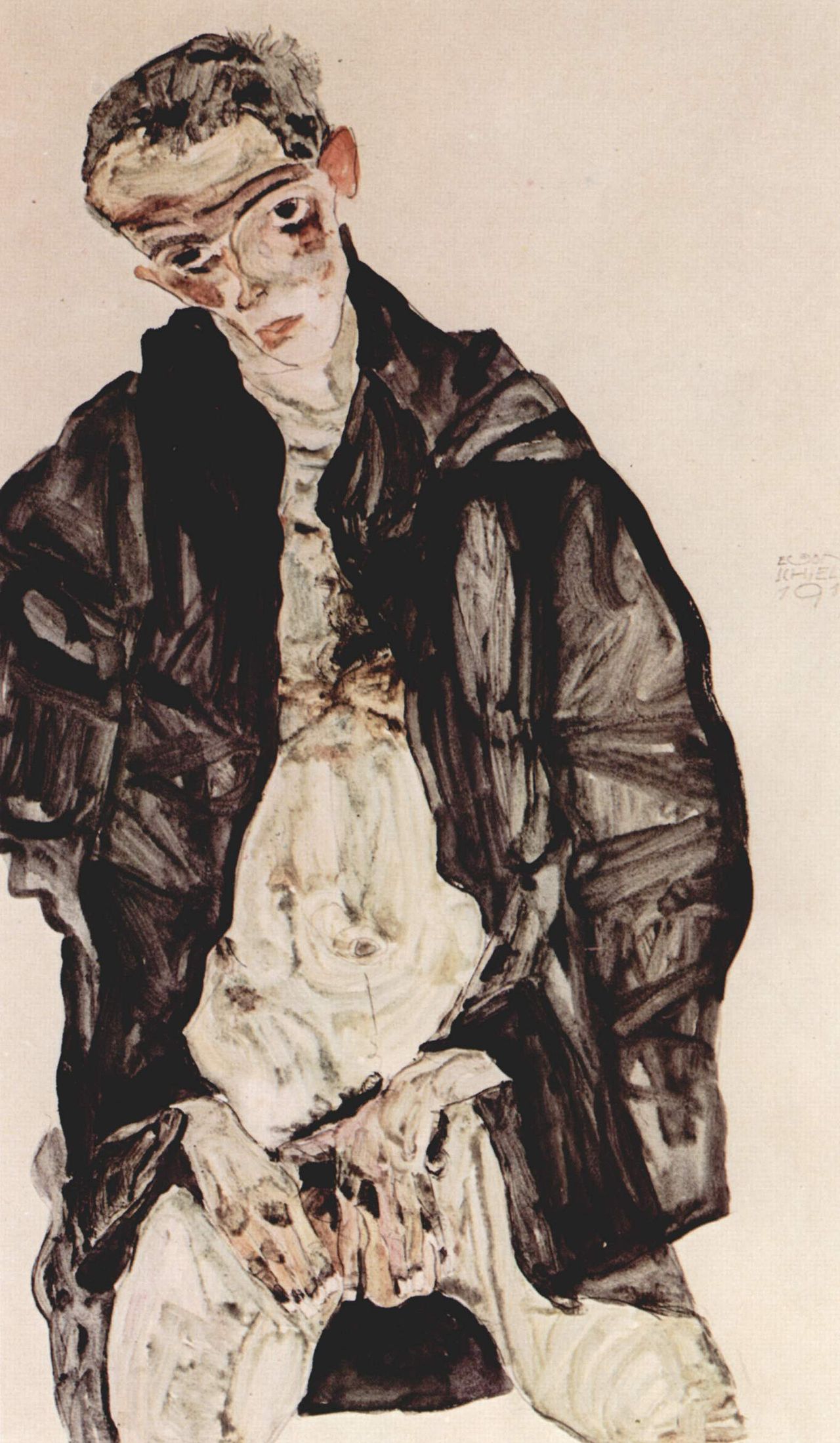


Typical methods and tools
Most people masturbate using their hands, but a wide range of techniques exist. Some use external stimulation of the genitals, while others focus on internal stimulation. Devices and aids are widely available and vary by design and purpose: for example, vibrators and dildos are among commonly used tools. The term sex organs refers to the body parts most often involved, such as the penis, clitoris, vulva, or other erogenous zones.
Health, wellbeing, and misconceptions
Medical and public health organizations generally regard masturbation as a normal part of human sexuality. Reported short-term benefits include sexual release, stress reduction, and improved sleep for some people. There are many myths about masturbation—such as claims that it causes physical harm or blindness—which are not supported by scientific evidence. Problems can arise if the behavior interferes with daily life or causes physical irritation, in which case moderation and hygiene are advisable.
Prevalence and research
Surveys indicate that masturbation is common across genders and age groups, though frequency and attitudes vary by culture, religion, and individual preference. Researchers study patterns of use to understand sexual development, relationships, and public health. Data collection is sensitive to privacy and self-reporting limitations, so exact prevalence numbers differ between studies.
Social, cultural, and historical context
Attitudes toward masturbation have changed over time. In some historical periods and cultures it was stigmatized or discouraged on moral or medical grounds; in others it has been viewed as a normal and private behavior. Contemporary discussions often address consent, privacy, and age-appropriate sex education. Mutual masturbation—partners stimulating themselves in each other’s presence—is one form of partnered sexual activity that can be part of consensual adult intimacy.
Other notable facts
- Masturbation occurs in many animal species and has been documented in primates, mammals, and birds.
- It is distinct from commercial sex or sexual activity involving coercion; consent and legality around sexual activity vary by jurisdiction, and laws address age of consent and public conduct.
- When seeking information, reputable health sources and sexual health professionals can provide evidence-based guidance and address concerns.
Questions and answers
Q: What is masturbation?
A: Masturbation is when a person touches their own sex organs to experience pleasure and potentially achieve an orgasm.
Q: Can masturbation be done with another person?
A: Yes, this is known as "mutual masturbation".
Q: Are there any tools that can help make masturbation easier or more enjoyable?
A: Yes, vibrators and dildos are often used to enhance the experience of masturbating.
Q: Is it common for people to masturbate regularly?
A: Studies have shown that many people do masturbate regularly.
Q: Do animals engage in masturbation?
A: Yes, animals can also masturbate.
Related articles
Author
AlegsaOnline.com Masturbation: definition, practices, health, and social perspectives Leandro Alegsa
URL: https://en.alegsaonline.com/art/62755
Sources
- advancedmasturbation.com : The Full Fist Grip - Masturbation Techniques
- ncbi.nlm.nih.gov : E. Heiby and J. Becker examined the latter
- nowtoronto.com : NOW's Love and Sex Guide 2004
- masturbationfreedom.com : "The Practice of Masturbation Among the Sambia Tribe of New Guinea"
- masturbate-a-thon.com : Masturbate-a-thon by The Center For Sex & Culture
- viewlondon.co.uk : viewlondon.co.uk article on Masturbation Marathon London
- cat.inist.fr : "Human sperm competition: ejaculate manipulation by females and a function for the female orgasm"
- edoc.ub.uni-muenchen.de : Sperm competition and the function of masturbation in Japanese macaques
- cat.inist.fr : "Human sperm competition: Ejaculate adjustment by males and the function of masturbation"
- doi.org : "Adaptation to Sperm Competition in Humans"
- badgerherald.com : Masturbation key to healthy, functional sexual relationships
- doi.org : Sexual factors and prostate cancer
- bmj.bmjjournals.com : Sex and death: are they related? Findings from the Caerphilly cohort study