
Aphrodisiac: meaning, history, examples, evidence and safety
Aphrodisiacs are substances believed to increase sexual desire. This article reviews definitions, historical context, common examples, mechanisms of action, evidence, safety concerns and related distinctions.
Overview
An aphrodisiac is any substance—commonly a food or drink—that is believed to raise sexual desire or arousal (libido). The term derives from the name of the ancient Greek deity Aphrodite, reflecting long-standing cultural associations between certain items and romantic or sexual potency. By contrast, a substance that reduces sexual interest is called an anaphrodisiac.
Image gallery
4 Images
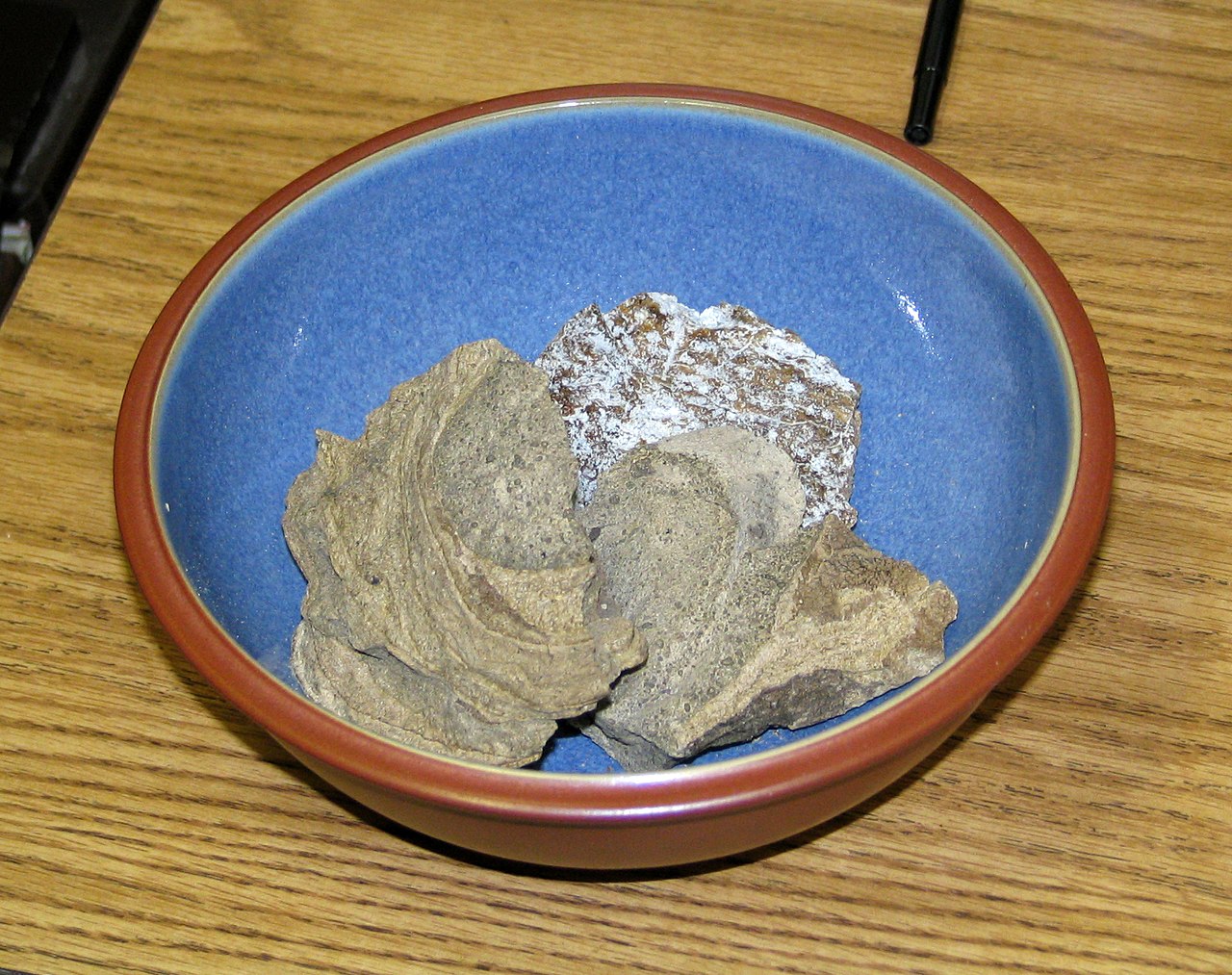


Characteristics and mechanisms
Aphrodisiacs operate through several possible pathways: psychological expectation and ritual, sensory stimulation (aroma, texture, taste), and direct physiological effects such as altered blood flow, hormone levels, or neurotransmitter activity. Some ingredients are thought to influence circulation or testosterone, while others may work primarily through a placebo response. Scientific support varies widely among candidate substances.
History and cultural context
Belief in aphrodisiacs appears in many cultures and historical periods. Items ranging from herbs and spices to animals and minerals have been attributed erotic powers in traditional medical systems and folk practices. References to desire-enhancing foods and potions are common in ancient literature, medieval materia medica, and later popular culture; such claims have often mixed observation, symbolism and myth.
Common examples
- Oysters—frequently cited for their zinc content and sensual associations; see discussion at oysters.
- Chocolate—valued for flavor, mood effects and cultural symbolism; see chocolate.
- Herbs and supplements—ginkgo, ashwagandha, maca and others are promoted for libido or stamina; scientific evidence is mixed.
- Drinks such as wine or herbal infusions can act through relaxation or ritual; more details under drinks.
- Certain pharmacological agents and traditional remedies have stronger physiological effects but may pose risks.
Evidence, safety and regulation
Clinical evidence for most traditional aphrodisiacs is limited or inconsistent. Well-designed studies are fewer than popular belief might suggest, and benefits often reflect placebo effects, lifestyle factors, or the sexual context itself. Some marketed products contain active pharmaceutical ingredients, are adulterated, or interact with medications. Dangerous substances historically touted as aphrodisiacs (for example, toxic extracts) underline the importance of safety and regulation. Consumers are advised to consult healthcare professionals before using supplements for sexual function.
Distinctions and notable facts
Aphrodisiacs span culinary, botanical and pharmaceutical categories, and their reputations rest as much on culture and ritual as on biochemistry. Modern research tends to separate psychological and physiological mechanisms and emphasizes evidence-based treatments for sexual dysfunction. For further reading on libido and related concepts, see libido and cultural studies of love and sexuality tied to Greek and other traditions.
Related articles
Author
AlegsaOnline.com Aphrodisiac: meaning, history, examples, evidence and safety Leandro Alegsa
URL: https://en.alegsaonline.com/art/4875