
Sepoy — Indian infantry soldier (East India Company and British Indian Army)
Sepoy: historically an Indian foot soldier in Company and British service; now a lowest enlisted rank in several South Asian armies. Origins, role, 1857 uprising, reforms, and modern legacy.
Overview
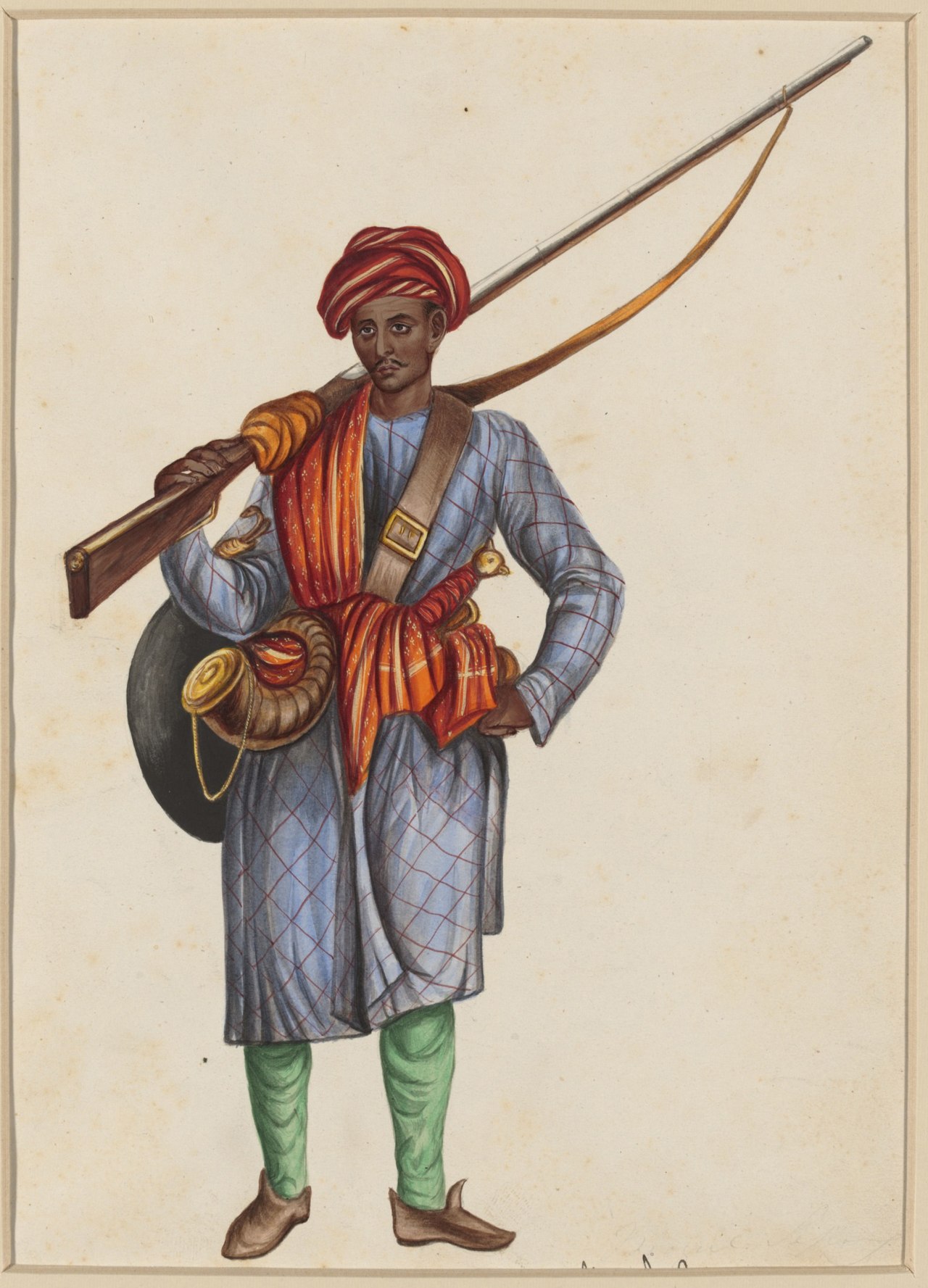
A sepoy was a native infantryman recruited in South Asia to serve under European or regional powers, most prominently in the forces of the East India Company and later the British Indian Army. The word derives from the Persian term "sipahi", meaning soldier. In English usage it became the common designation for enlisted Indian foot soldiers regardless of religion or community. In several modern South Asian services the term survives as the rank equivalent to a private, for example in the contemporary Indian Army and the Pakistan Army.
Image gallery
9 Images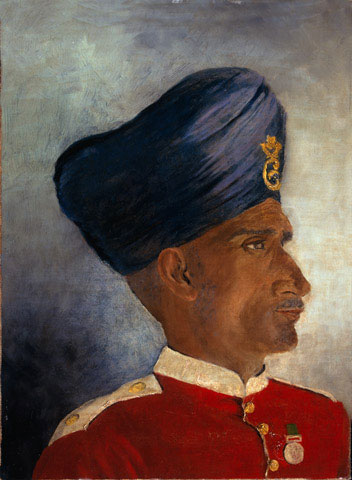


Origins and recruitment
European armies in India adapted pre-existing regional military institutions and terminology when raising local regiments. Recruitment patterns reflected local demographics, social structures and colonial policy: men were enlisted from villages, towns and particular communities. Religion, caste and regional origin often shaped unit composition and internal practices, since officers and administrators expected that troops' dietary, devotional and social needs would be accommodated.
Equipment, duties and organization
Sepoys were trained in the contemporary small-arm drill and in the use of muskets, bayonets and later rifles. Their duties ranged from battlefield service in line formations to garrison duty, escort work, road and cantonment policing, and internal security tasks. Regiments typically combined native enlisted ranks with European or British officers, though by the late 19th century increasingly senior native non-commissioned roles developed alongside continuing colonial command structures.
The 1857 uprising and military reform
Sepoys played a central role in the widespread disturbances of 1857. Several factors contributed to unrest in different units, including grievances about pay, conditions, discipline, and cultural or religious affronts. The events forced a major reappraisal of imperial military policy: the East India Company's rule in India ended, control passed to the British Crown, and recruiting, organization and administration of native forces were reorganized. Subsequent reforms included changes to cantonment arrangements, rotation of units, and a renewed emphasis by British planners on selective recruitment practices—often expressed in the controversial language of so-called "martial races"—that aimed to shape the composition of colonial armies.
Modern usage and legacy
Today the rank title sepoy endures in several South Asian armies as the designation for the lowest enlisted grade. The historical role of sepoys is studied to understand colonial warfare, cross-cultural interaction in military life, and the social effects of recruitment on rural and urban communities. Their service encompassed cooperation with colonial authorities as well as participation in resistance and local politics; this mixed legacy is reflected in military histories, literature and public memory.
Notable facts
- The term is derived from Persian "sipahi" but became common in South Asian colonial contexts.
- Sepoys served in diverse roles: front-line infantry, garrison troops and internal security forces.
- The disturbances of 1857 reshaped imperial military organisation and civilian control over forces.
- As a rank title the word persists in modern forces such as the Indian Army and the Pakistan Army.
Related articles
Author
AlegsaOnline.com Sepoy — Indian infantry soldier (East India Company and British Indian Army) Leandro Alegsa
URL: https://en.alegsaonline.com/art/88905