
Semper Fidelis — John Philip Sousa’s Official United States Marine Corps March
Overview of 'Semper Fidelis', the Marine Corps march by John Philip Sousa: meaning, composition, history, structure, ceremonial use, and its place in American march tradition.
Overview
"Semper Fidelis" is best known as the official march of the United States Marine Corps. Composed in 1888 by John Philip Sousa, it takes its title from the Latin phrase Semper Fidelis, commonly translated as “Always Faithful.” The work established Sousa’s reputation with broad public recognition and remains a central piece in the repertoire of military bands and civic concerts.
Image gallery
3 Images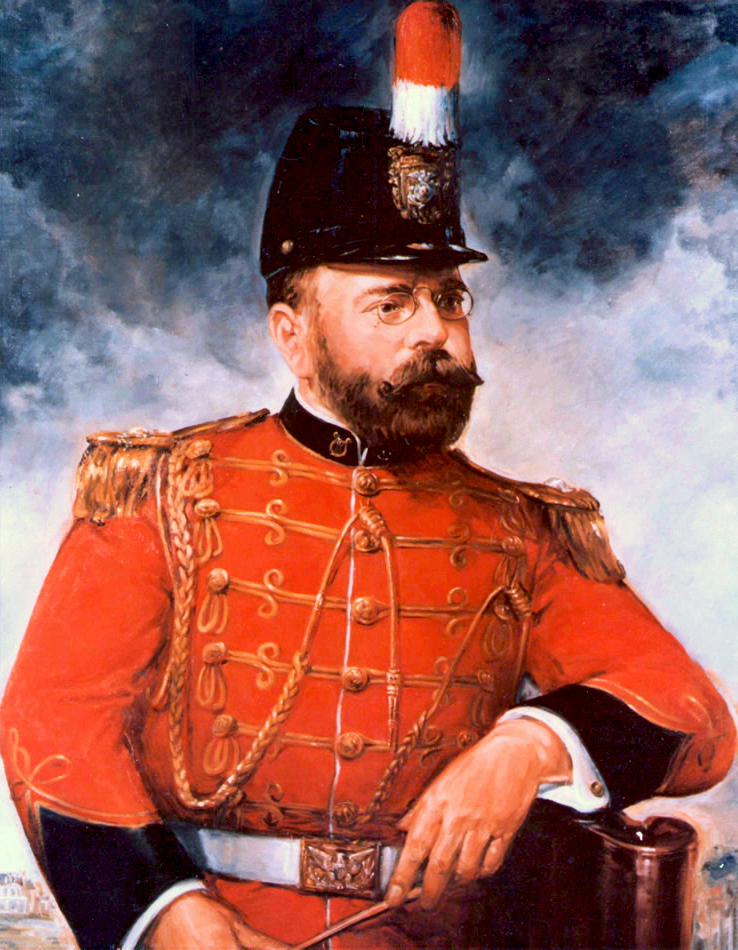


Composer and origin
John Philip Sousa had been conductor of the United States Marine Corps Band since 1880, and he wrote many marches while leading the ensemble. "Semper Fidelis" arrived after earlier successes and is often identified as his first widely popular march. Contemporary accounts and later historians credit the piece with helping to define a distinctively American approach to the march genre, moving it beyond the European models that earlier American composers typically followed. For biographical detail on Sousa and the band, see the page on the composer and the United States Marine Corps band.
Musical characteristics and form
Musically, "Semper Fidelis" follows a traditional march layout but with traits that listeners associate with Sousa’s style: clear melodic lines, brisk tempo, and balanced brass and woodwind writing. The march is written in 6/8 meter and is commonly described as having an AaBbCcDd formal plan, where contrasting strains alternate and are often repeated. These features make the piece both effective for outdoor parade performance and engaging in concert settings.
Uses, ceremonies, and notable performances
As the service march for the Marines, "Semper Fidelis" is performed at official ceremonies such as Pass in Review, change of command and commissioning events, and public parades. It has also been played at high-profile civic occasions; for example it was heard along the parade route during President Bill Clinton’s second inauguration. The tune is regularly programmed by military and community bands and features in recordings and broadcast ceremonies.
Historical significance and distinctions
The march is sometimes cited as the prototype for the modern American march because it helped shift the national style toward rhythms, phrasing and instrumentation distinct from European marches. It is also notable in American institutional history: "Semper Fidelis" is widely reported to be the only march specially authorized by an act of Congress as a service march. References to this legislative recognition appear in many summaries of the piece and in materials about the Congressional authorization. For discussions of its place among Sousa’s works, compare it with other famous marches such as "The Stars and Stripes Forever".
Further notes and listening
- Title meaning: the Latin phrase and motto are explained on general language resources; see a basic Latin reference for the translation.
- Context: the piece helped consolidate Sousa’s national reputation after earlier works like "The Gladiator" (1886) and was influential in band literature; see material on Sousa’s tenure with the band at official march resources.
- Reception and legacy: musical historians sometimes point to "Semper Fidelis" as a formative American march model (prototype), and recordings and performances are cataloged in many band archives and presidential inauguration reports (Clinton, inauguration listings).
When studying or listening to "Semper Fidelis," note both its ceremonial function and its musical craft: concise themes, clear repetition, and an energetic march pulse that have secured its place in American musical and military traditions.
Related articles
Author
AlegsaOnline.com Semper Fidelis — John Philip Sousa’s Official United States Marine Corps March Leandro Alegsa
URL: https://en.alegsaonline.com/art/88777