
Sega Dreamcast: an overview of Sega's final home console
The Dreamcast was Sega's last home video game console. Launched in the late 1990s, it introduced built‑in online play and innovative peripherals but ended production after strong competition and financial strain.
Overview
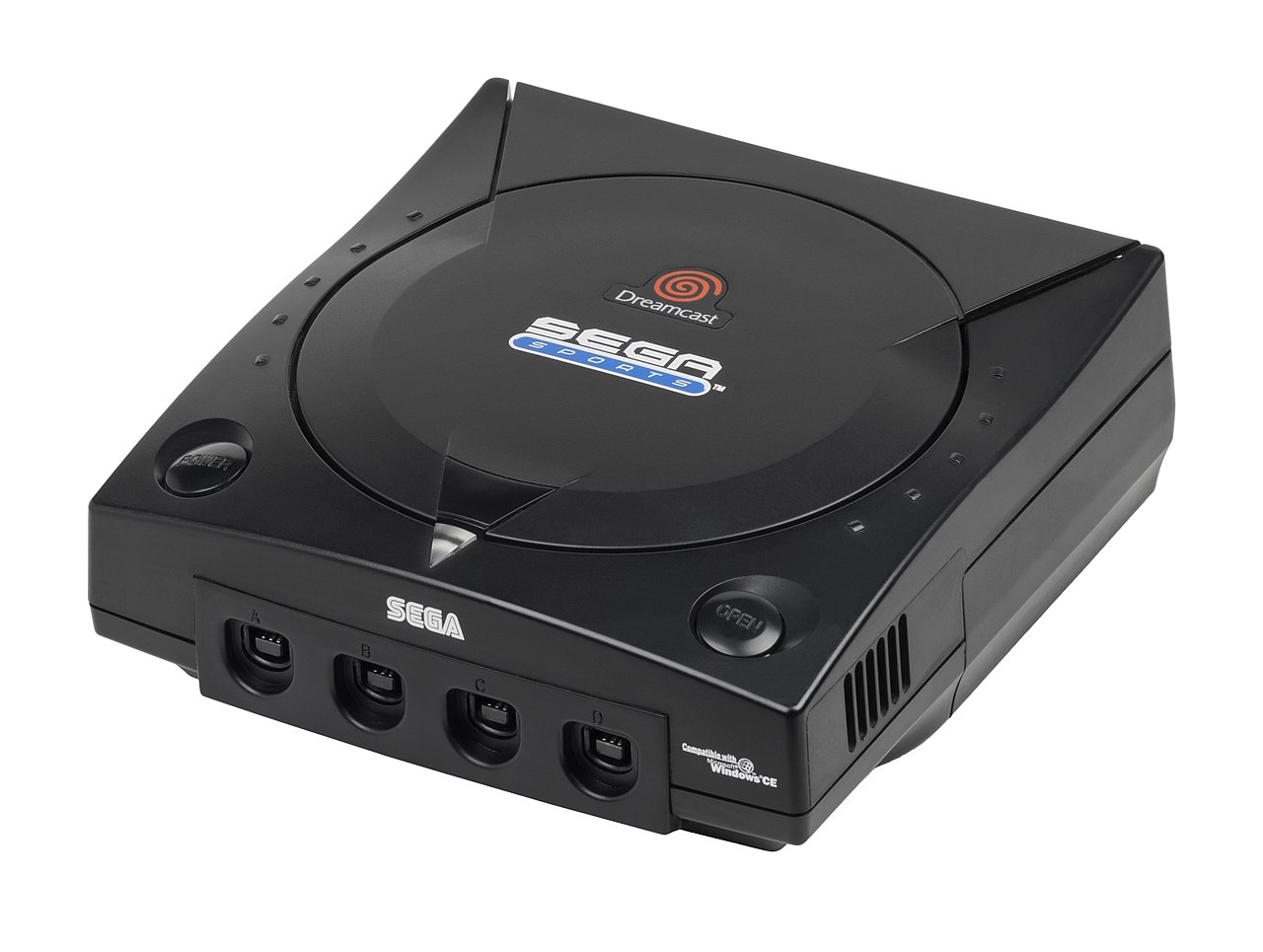
The Dreamcast was a home video game console developed and sold by Sega. Released in the late 1990s, it is widely regarded as the company’s final dedicated console. It arrived before the major sixth‑generation competitors — the PlayStation 2, the GameCube and the Xbox — and earned attention for its technical features and ambitious online services, despite ultimately being discontinued when Sega shifted away from making hardware.
Image gallery
10 Images




Hardware and distinctive features
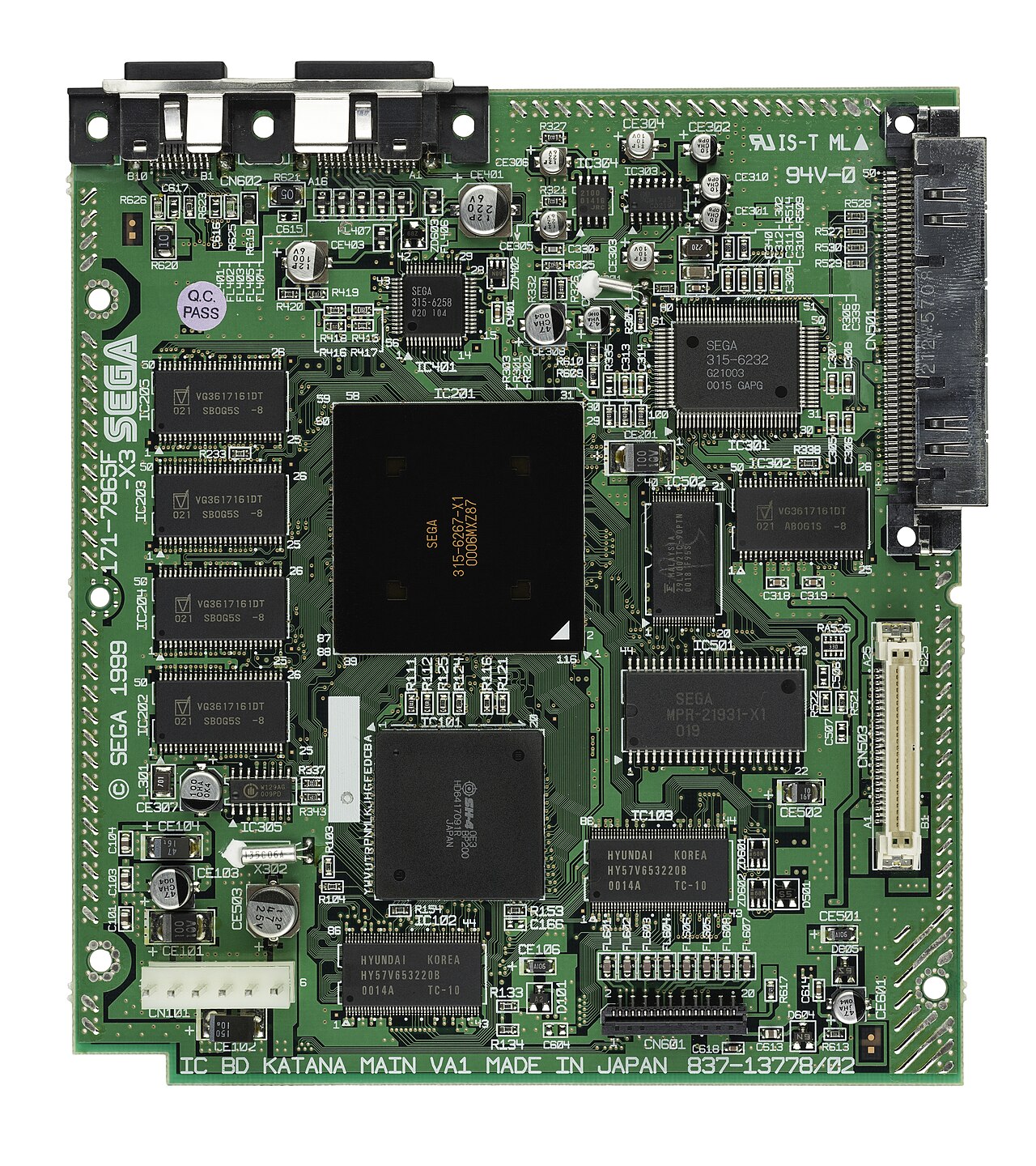
The Dreamcast combined a 128‑bit architecture with a CD‑based optical format (GD‑ROM) and a set of consumer‑oriented innovations. Its controller included a detachable Visual Memory Unit (VMU) that served as both a memory card and a small secondary screen. The console supported a built‑in modem for dial‑up internet play and downloadable content, which was an unusual capability for a mainstream console at the time.
- CPU and graphics: designed for arcade‑style performance with a focus on smooth 3D.
- Storage and media: GD‑ROM discs with higher capacity than standard CDs.
- Peripherals: VMU memory/screen, optional broadband adapters in some regions, variety of third‑party controllers.
History and market context
Introduced regionally beginning in 1998–1999, the Dreamcast launched with strong initial sales in several markets and a library of high‑profile titles. However, the console faced rapid and intense competition after the arrival of larger rivals. A mix of factors — competition from established and new platforms, challenges in securing third‑party support, software piracy and Sega’s broader financial difficulties — contributed to declining sales. Within a few years Sega announced it would stop producing the console and transition to software development for other systems.
Software, notable games and uses
The Dreamcast hosted a varied catalog that included arcade ports, experimental titles and early online multiplayer experiences. Notable games that defined the system’s identity include Sonic Adventure, Shenmue, Jet Set Radio, Crazy Taxi and Phantasy Star Online, the latter being one of the first console MMORPG experiences. Developers used the platform to experiment with aesthetics, streaming audio, and online features that would later become standard in consoles.
Legacy and notable distinctions
Although commercially short‑lived, the Dreamcast left a lasting legacy. It helped popularize console online play and inspired later peripheral ideas such as memory‑card screens and downloadable content. The console retains a dedicated community of fans, collectors and homebrew developers, and it is frequently cited in retrospectives about ambitious but risky console design. For Sega, the Dreamcast era marked a turning point: after ending hardware production, the company continued as a third‑party game developer and publisher.
Further reading
For more on Sega and the Dreamcast, see corporate histories and documented retrospectives from gaming press and industry analysts. Links embedded above point to broader topics on Sega and competing consoles for context: Sega, PlayStation 2, GameCube, Xbox.
Questions and answers
Q: What is the Dreamcast?
A: The Dreamcast is a home console made by Sega that can play video games.
Q: How does the Dreamcast compare to other consoles?
A: The Dreamcast was sold before the PlayStation 2, GameCube, or Xbox came out, but not many people bought it after the PlayStation 2 was released.
Q: Why did Sega stop making the Dreamcast?
A: Sega decided to stop making the Dreamcast because not many people bought it after the PlayStation 2 was released.
Q: Is the Dreamcast still available for purchase?
A: No, the Dreamcast is no longer being made.
Q: What makes the Dreamcast different from other consoles?
A: The Dreamcast was the last home console made by Sega that can play video games.
Q: How many home consoles did Sega make?
A: Sega made four home consoles, with the Dreamcast being the last one.
Q: Can the Dreamcast still play video games?
A: Yes, the Dreamcast can still play video games, but it is no longer being made.
Related articles
Author
AlegsaOnline.com Sega Dreamcast: an overview of Sega's final home console Leandro Alegsa
URL: https://en.alegsaonline.com/art/28904
Sources
- gametunnel.com : "Good Enough: Why graphics aren't number one"
- megagames.com : "Dreamcast Production to Stop"
- mdronline.com : "MicroDesign Resources --- August 10, 1998 #8"
- time.com : "Sega's Dream Past?"