
Pasadena, California: history, landmarks, culture and civic profile
Pasadena is a mid-sized city northeast of Los Angeles known for the Rose Parade, historic architecture, scientific institutions such as Caltech, museums, and a distinctive Craftsman-era heritage.
Overview
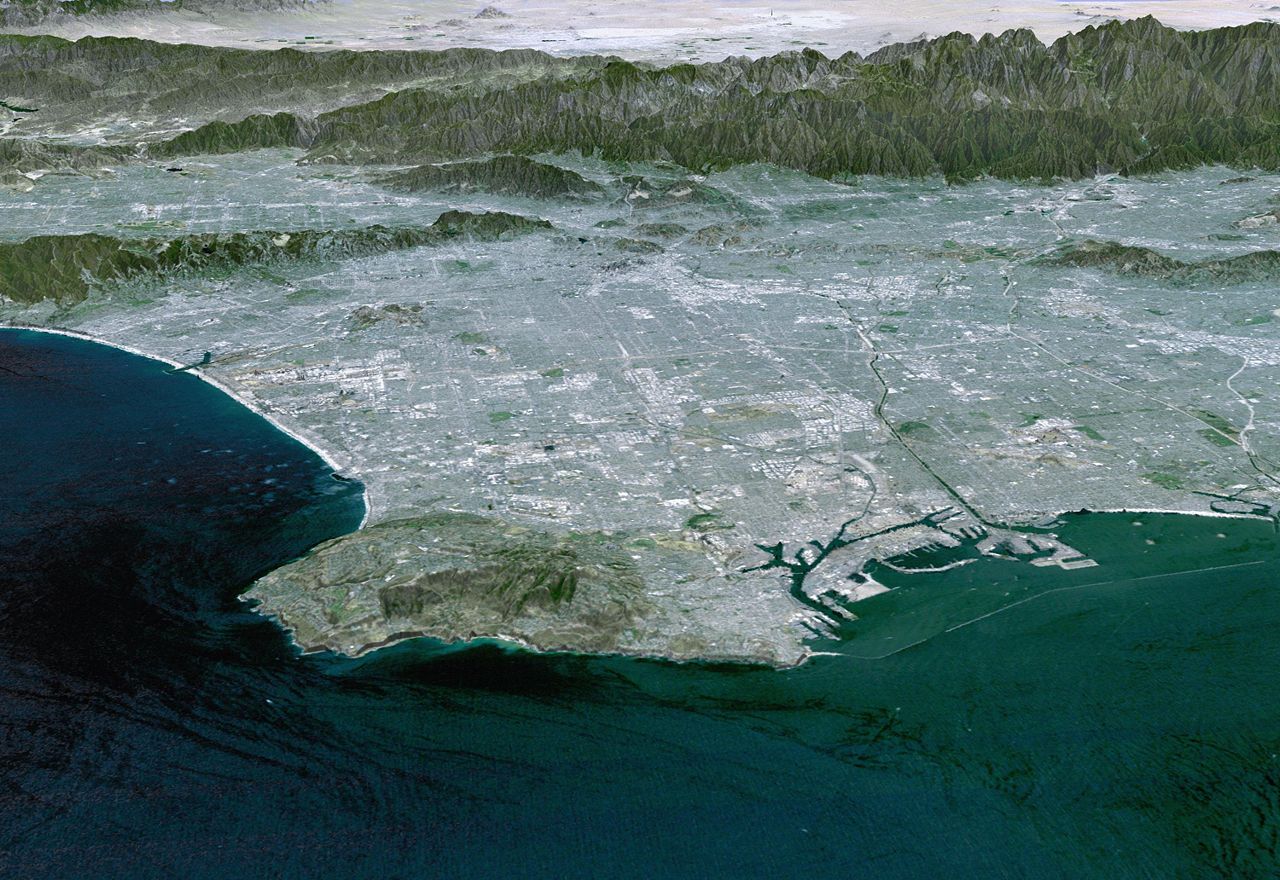
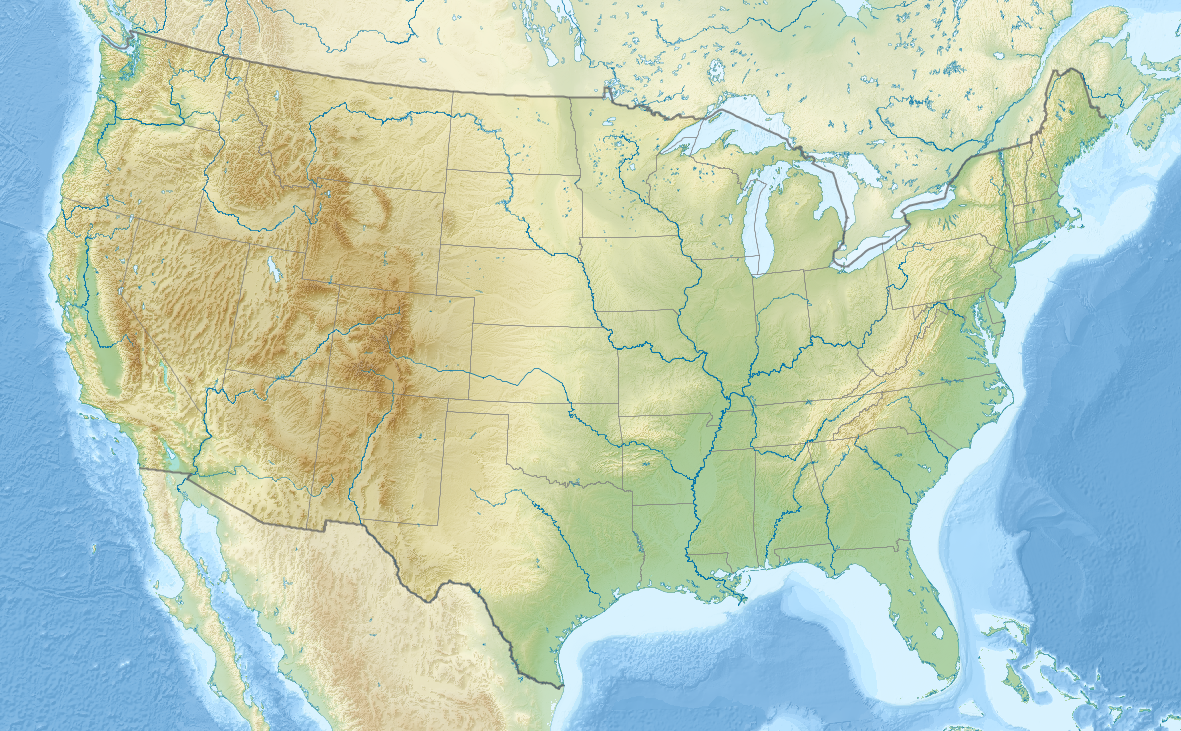
Pasadena is a city in California, located northeast of Los Angeles. It lies along the foothills of the San Gabriel Mountains and is traversed by the Interstate 210 corridor and a light-rail line that connects it with the greater Los Angeles region. Pasadena is a mid-sized city with a population on the order of one hundred thousand to a few hundred thousand residents; an earlier estimate placed it at roughly 133,936 in 2008 (population reference). The city combines suburban neighborhoods, commercial districts and institutions of higher learning and research.
Image gallery
10 Images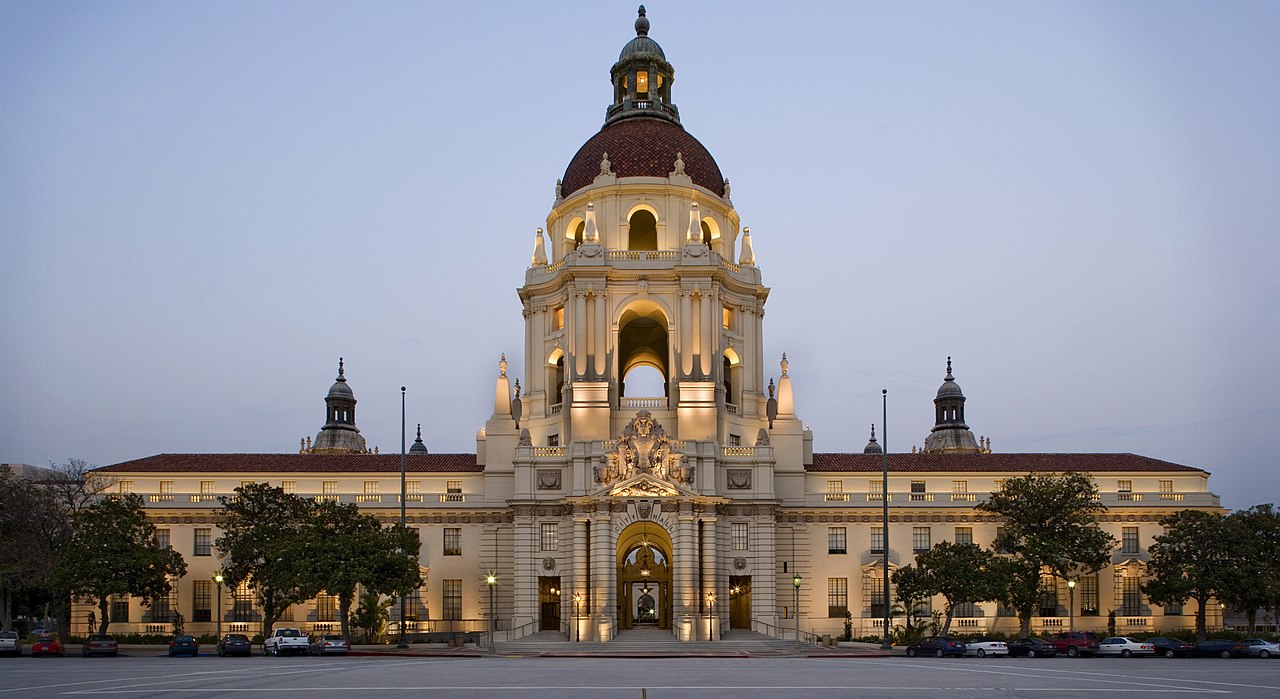





Historical development
The area now called Pasadena was first inhabited by the Tongva and other indigenous peoples. During the Spanish and Mexican periods it was part of ranchos and agricultural holdings. Pasadena developed as an American-era community in the late 19th century and was incorporated as a city in the 1880s. The arrival of rail connections, including the interurban Pacific Electric network, spurred residential growth and tourism during the early 20th century. At that time Pasadena rose in civic prominence and for a period ranked among the larger urban centers in California.
Architecture, neighborhoods and landmarks
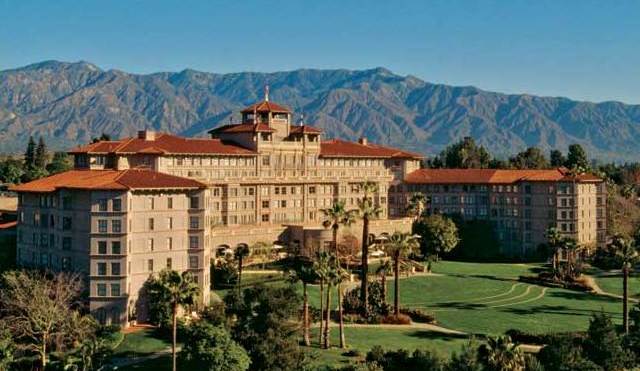
Pasadena is notable for its concentration of historic architecture, particularly examples of American Craftsman and bungalow design. Prominent architect-builders such as Greene and Greene left a strong imprint — the Gamble House is among the best-known preserved Craftsman residences. Other notable historic districts include Bungalow Heaven and preserved Victorian and early 20th-century subdivisions. Old Pasadena (the downtown commercial core) retains nineteenth- and early twentieth-century masonry storefronts that have been adapted for shops, restaurants and offices.
- The annual Tournament of Roses Parade on Colorado Boulevard draws national attention each New Year and is followed by the Rose Bowl Game, a major college football contest (Rose Bowl information).
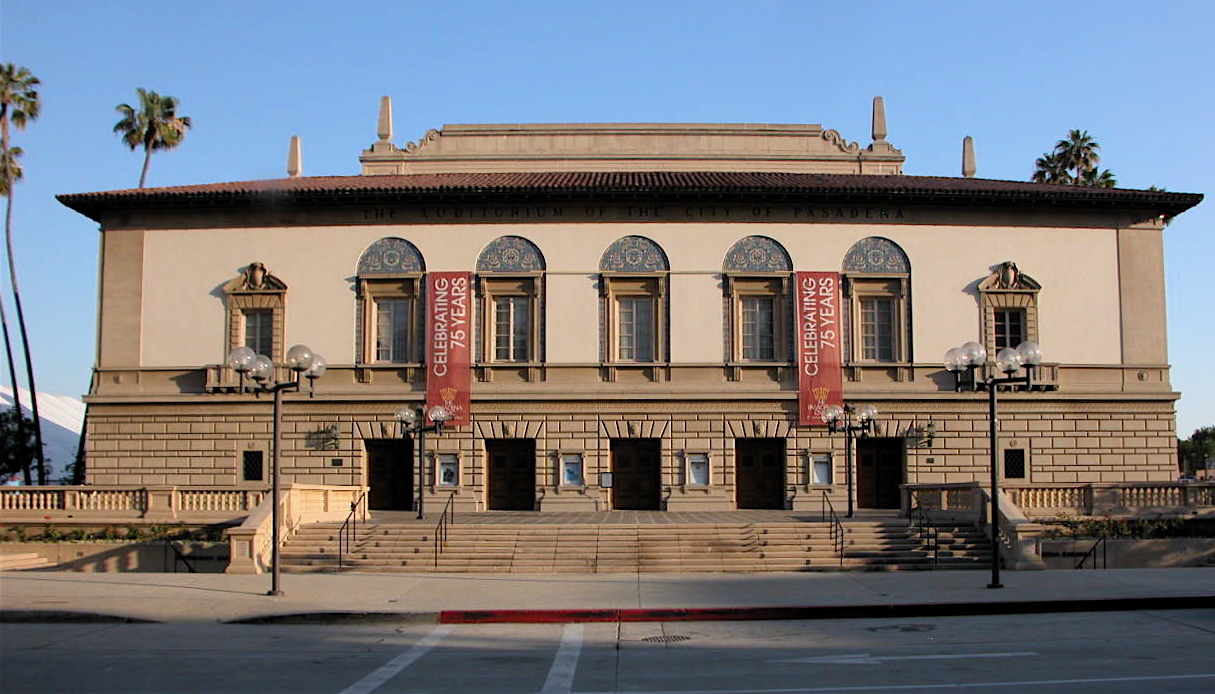
- Museums and performance venues include the Norton Simon Museum, the Pasadena Playhouse and the Pasadena Civic Auditorium.
- Scientific and educational institutions, most notably the California Institute of Technology (Caltech), contribute to Pasadena’s research profile, alongside laboratories and high-technology firms.
Economy, education and culture
The city’s economy is diverse: higher education and scientific research are prominent employers, and tourism is supported by cultural attractions and annual events. Small and medium-sized businesses, retail in districts such as Old Pasadena, and a cluster of professional services make up much of the commercial base. Pasadena sustains an active arts scene with galleries, theatrical productions and community festivals, and hosts museum collections and exhibitions of regional and international importance.
Transportation and urban form
Pasadena’s street pattern mixes older, walkable commercial corridors with residential blocks and hillside neighborhoods. Transportation options include freeway access via the 210, bus services and light rail that link to greater Los Angeles. The city’s proximity to mountain trails and regional parks provides outdoor recreation opportunities, while its built environment reflects both late-19th-century planning and 20th-century suburban expansion.
Notable distinctions
Pasadena is widely recognized for its New Year’s traditions, preserved examples of Craftsman architecture, and its role as a center for scientific research and higher education. Its history as a resort and railroad-linked community shaped its early growth, and its combination of cultural institutions, civic events and academic facilities continues to define the city’s identity within the Southern California region.
For further information on city services, events and visitor information see local resources and municipal guides (state resources, regional links). Historical and institutional references can be found through archival organizations and the institutions mentioned above (Caltech, demographic sources, Rose Bowl resources).
Related articles
Author
AlegsaOnline.com Pasadena, California: history, landmarks, culture and civic profile Leandro Alegsa
URL: https://en.alegsaonline.com/art/74882