
Sega CD (Mega‑CD): CD-ROM Add‑On for the Sega Genesis
A compact overview of the Sega CD (Mega‑CD), Sega's CD-ROM add-on for the Genesis: hardware features, history, notable games, reception and legacy.
Overview
The Sega CD, marketed outside North America as the Mega‑CD, was a CD‑ROM expansion for the 16‑bit Sega Genesis gaming console. Developed by Sega, the peripheral added a CD drive and extra hardware to extend the capabilities of the base system. It launched in Japan on December 12, 1991, in North America on October 15, 1992, and in Europe on April 2, 1993. The add‑on aimed to take advantage of the larger storage and audio possibilities offered by compact disc media.
Image gallery
10 Images


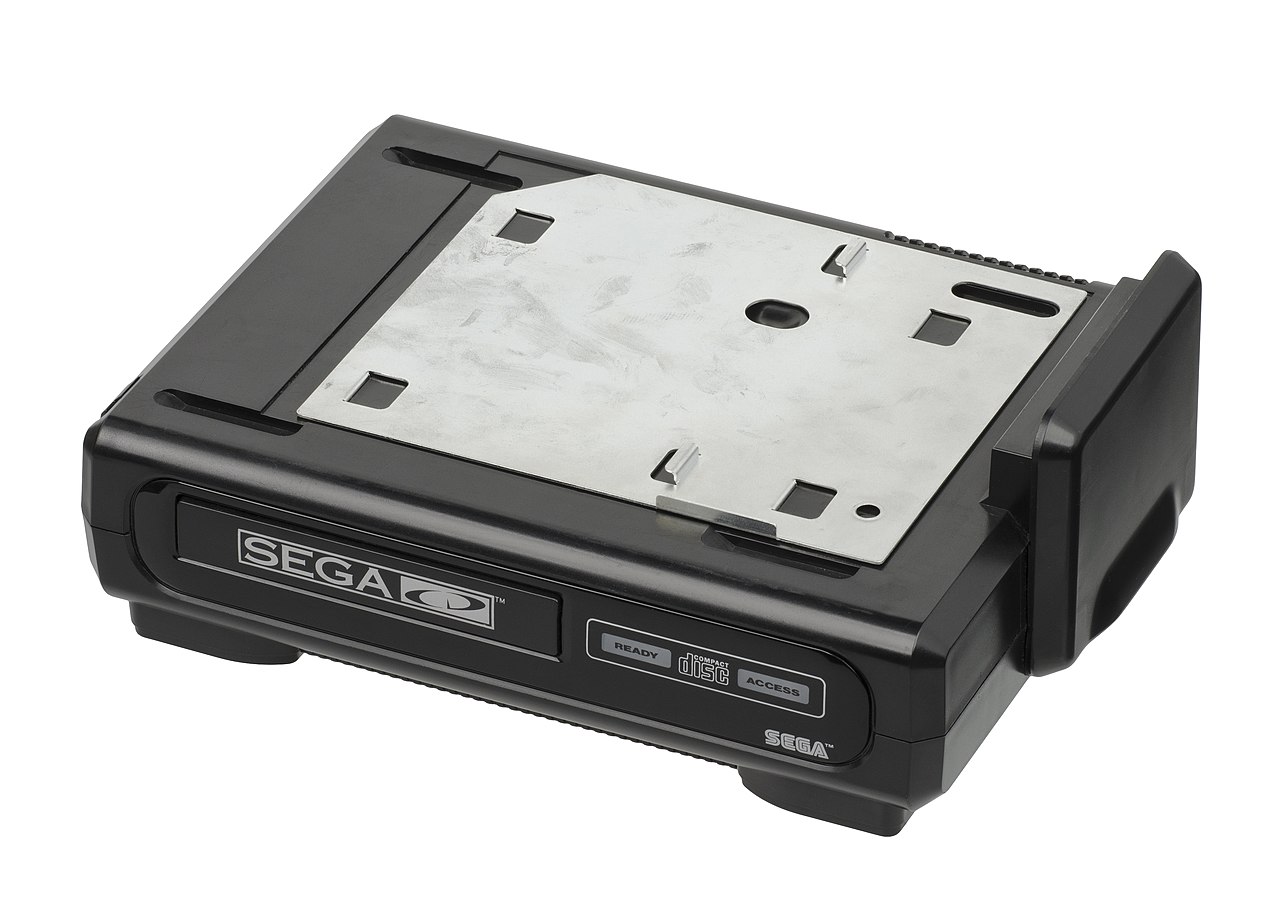


Hardware and characteristics
As an add‑on to the Genesis, the Sega CD introduced a CD‑ROM drive, enhanced audio playback (including Red Book CD audio), and additional processing and memory resources that developers could use to improve music, cut scenes, and game content. The hardware made it practical to include longer musical scores, digitized voices, and full‑motion video sequences in some titles—features that were novel for console games at the time.
Notable games and software
- Sonic CD — a high‑profile, well‑regarded exclusive that showcased animated cut scenes and a new soundtrack.
- Lunar: The Silver Star — an early console RPG that used CD audio and extensive story presentation.
- Night Trap — an FMV title that became controversial and highlighted the add‑on's video capabilities.
- Other releases included ports, remasters and original titles that took varying advantage of the CD format.
History, reception and legacy
The Sega CD represented Sega's first major push into the CD market for consoles. It was commercially successful enough to sell in meaningful numbers but drew criticism because only a limited portion of its library used the hardware to its fullest. Many releases were straightforward ports or low‑quality FMV experiments; critics and players often noted a shortage of high‑quality, enduring titles compared with expectations. The add‑on also played a role in industry debates about multimedia, adult content in games, and the direction of 1990s console development.
Importance and distinctions
While the Sega CD did not become a universal standard for the Genesis era, it helped popularize the use of CD media in home consoles and demonstrated new possibilities for audio and cinematic presentation in games. Its mixed commercial and critical legacy influenced Sega's later hardware decisions and remains a topic of interest among retro gaming enthusiasts and preservationists studying early CD‑based console experiments.
For further reading and reference material, see related entries and resources linked through official histories and fan archives: Mega‑CD overview, CD format and features, Genesis compatibility, Sega corporate history, Japan release details, European release information.
Related articles
Author
AlegsaOnline.com Sega CD (Mega‑CD): CD-ROM Add‑On for the Sega Genesis Leandro Alegsa
URL: https://en.alegsaonline.com/art/88553