
Scooter: Personal wheeled transport and its varieties
A scooter is a small-wheeled personal vehicle used for commuting, recreation, or accessibility; types range from foot‑pushed kick scooters to motorized and electric models with varied legal classifications.
Overview
A scooter is a compact, human- or motor-powered vehicle with a narrow deck and relatively small wheels. Modern scooters include foot‑propelled kick scooters, pedal‑assisted models, electrically powered versions and motor scooters with internal combustion engines. They can be built as two‑wheeled or three‑wheeled platforms, and some designs add extra wheels or a seat to improve stability or carry an additional rider.
Image gallery
10 Images





Characteristics and common parts
Most scooters share a few basic elements: a standing deck or seat, handlebars for steering, a braking system and a compact wheel assembly. Motorized scooters add an engine or electric motor, fuel or battery storage, and controls such as throttles and speedometers. Kick scooters are lightweight and foldable in many cases, while seated motor scooters tend to have a step‑through frame and larger bodywork for storage and passenger comfort.
Types
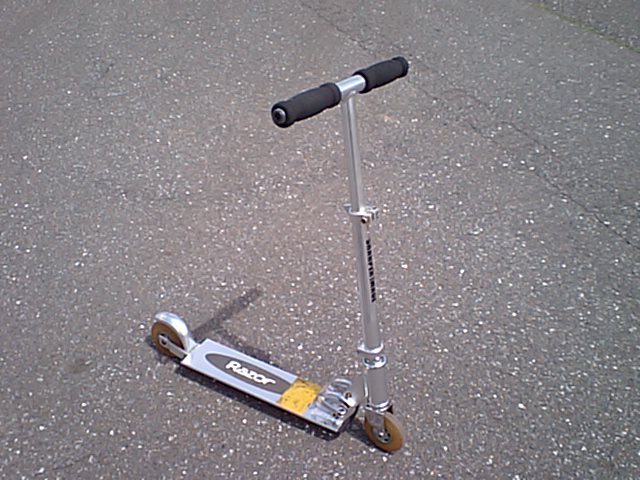
- Kick scooters: propelled by pushing a foot against the ground; popular for children and short urban trips.
- Electric scooters: powered by rechargeable batteries and an electric motor; often used in shared mobility schemes and private commuting.
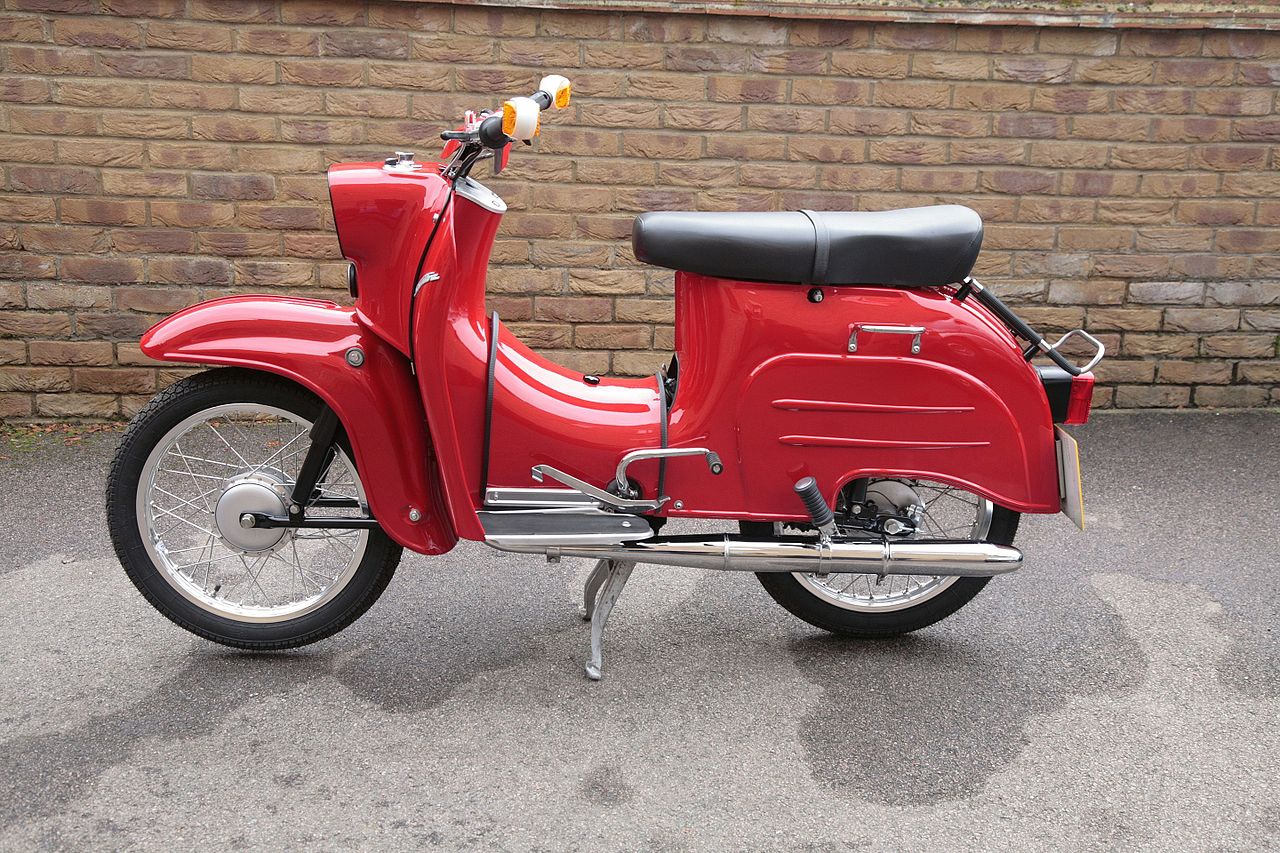
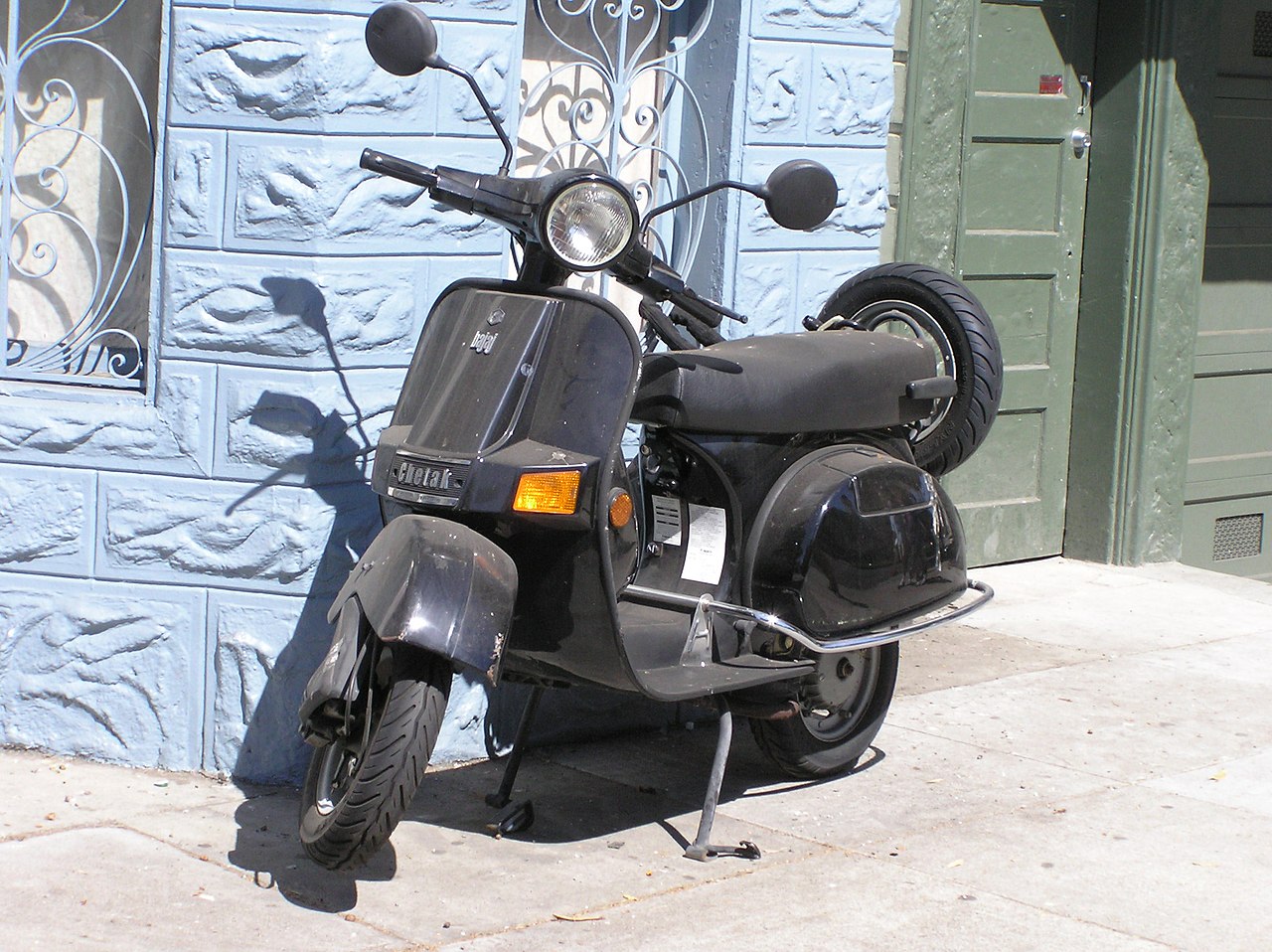
- Motor scooters: equipped with small internal combustion engines and a step‑through design; commonly used for city transport.
- Three‑ and four‑wheel scooters: designed for riders who need extra balance or payload capacity, including some mobility aids.
Legal classification varies widely. In some regions riders must hold a driver's license, while in others low‑power scooters are treated like bicycles or mopeds. Rules can reference motorcycle standards such as those for motorcycles or simpler moped categories like mopeds, depending on speed, power and local law.
Historically, simple push scooters emerged as toys and short‑distance tools; motorized step‑through scooters became especially popular in postwar Europe and later evolved into a wide range of electric and gas models. Today scooters play roles in daily commuting, leisure riding, delivery services and mobility assistance. Riders should be aware of safety practices—helmets, visible clothing and adherence to local traffic regulations—to reduce risks in busy urban environments. For more technical or regulatory details, consult local transport guidance or specialized resources such as bicycle or vehicle authorities (related cycling sources).
Related articles
Author
AlegsaOnline.com Scooter: Personal wheeled transport and its varieties Leandro Alegsa
URL: https://en.alegsaonline.com/art/88070