
Tricycle
A tricycle (or trike) is a three-wheeled vehicle used for children’s play, adult transport, cargo, and specialized mobility. Designs range from pedal-powered to motor-assisted and from recreational to commercial.
Overview
A tricycle, commonly called a trike, is any vehicle that runs on three wheels. Tricycles appear in many sizes and configurations: simple children's models, adult fitness and mobility trikes, cargo carriers, and motor-assisted variants. Compared with two-wheeled bicycles, trikes typically offer greater low-speed stability and a different steering feel, which makes them suitable for users who need extra balance or load capacity.
Image gallery
10 Images




Design and common variants
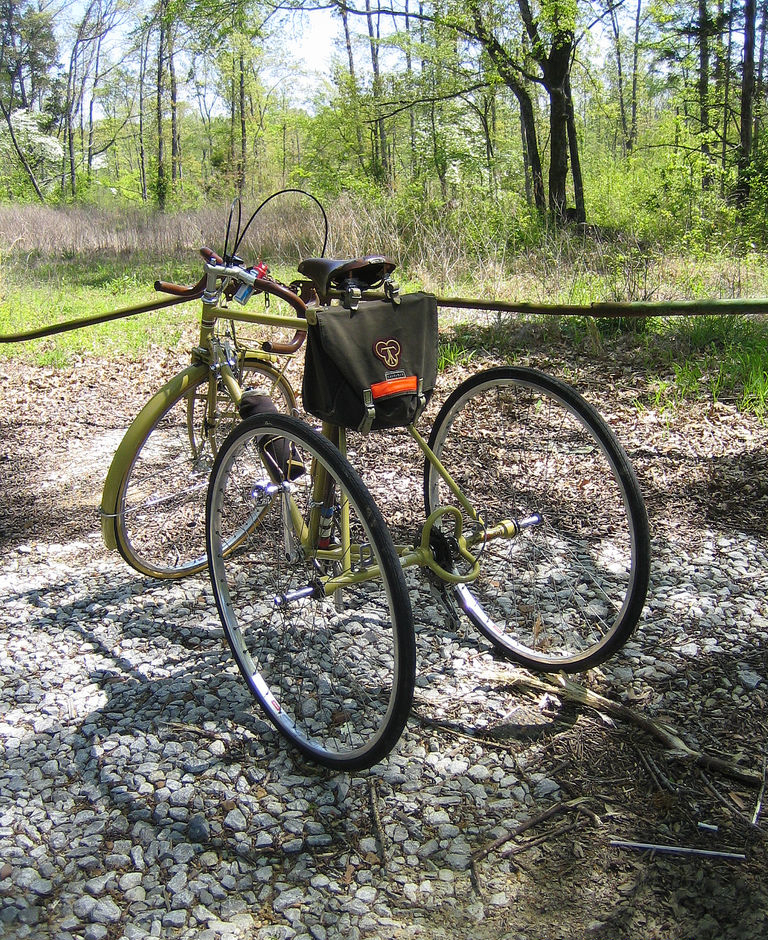
Basic parts of a tricycle include a frame, three wheels, a steering system, a drivetrain (for pedal-powered models), brakes, and seating. Propulsion may be solely human-powered (pedals), aided by an electric assist, or provided by a small internal-combustion engine in some motorized models. Two main wheel layouts are often distinguished: delta (one front wheel, two rear wheels) and tadpole (two front wheels, one rear wheel). Recumbent trikes place the rider in a laid-back position for comfort and aerodynamics.
History and development
Three-wheeled vehicles have existed since the early era of personal wheeled transport. In the 19th and early 20th centuries, tricycles were popular as a stable alternative to early bicycles and became common for children and some adult riders. Over time designs diversified to serve recreational, commuting, and commercial roles, and advances in materials and drive systems introduced lightweight frames and electric propulsion.
Uses and examples
- Children's pedal trikes for early cycling skills.
- Adult mobility trikes for those with balance or mobility challenges.
- Cargo trikes used by couriers, vendors, and delivery services in urban areas.
- Motorized three-wheelers and cycle rickshaws used for short-distance passenger transport in some regions.
Safety, performance and distinctions
Tricycles trade some high-speed cornering stability for low-speed steadiness; they are less prone to tipping at very slow speeds but can be vulnerable to rollover in sharp turns if loaded improperly. Braking, steering geometry, and load placement are important design considerations. Legally, motorized trikes may be classified differently from bicycles depending on local rules. Compared with quadricycles or motorcycles, trikes occupy a distinct niche defined by wheel count, steering characteristics, and intended use.
Overall, the tricycle remains a versatile vehicle form that continues to evolve, especially with electric assist and specialized cargo designs expanding its practical applications.
Related articles
Author
AlegsaOnline.com Tricycle Leandro Alegsa
URL: https://en.alegsaonline.com/art/101486
Sources
- jetrike.com : "Tadpole or Delta"
- buffalochip.com : "Why bikers make the switch"