
Driver's license
An official permit issued by government authorities authorizing an individual to operate specified types of motor vehicles; includes classifications, tests, endorsements, and rules for use and renewal.
A driver's license is an official, government-issued document that certifies a person is permitted to operate specified categories of motorized vehicles. It typically records the holder's name, photograph and class of vehicle authorized, and may carry endorsements or restrictions. In many jurisdictions a license is required to drive a car, motorcycle, truck or bus, and it is commonly accepted as a primary form of personal identification. Official records link licenses to driving histories and legal responsibilities.
Image gallery
10 Images
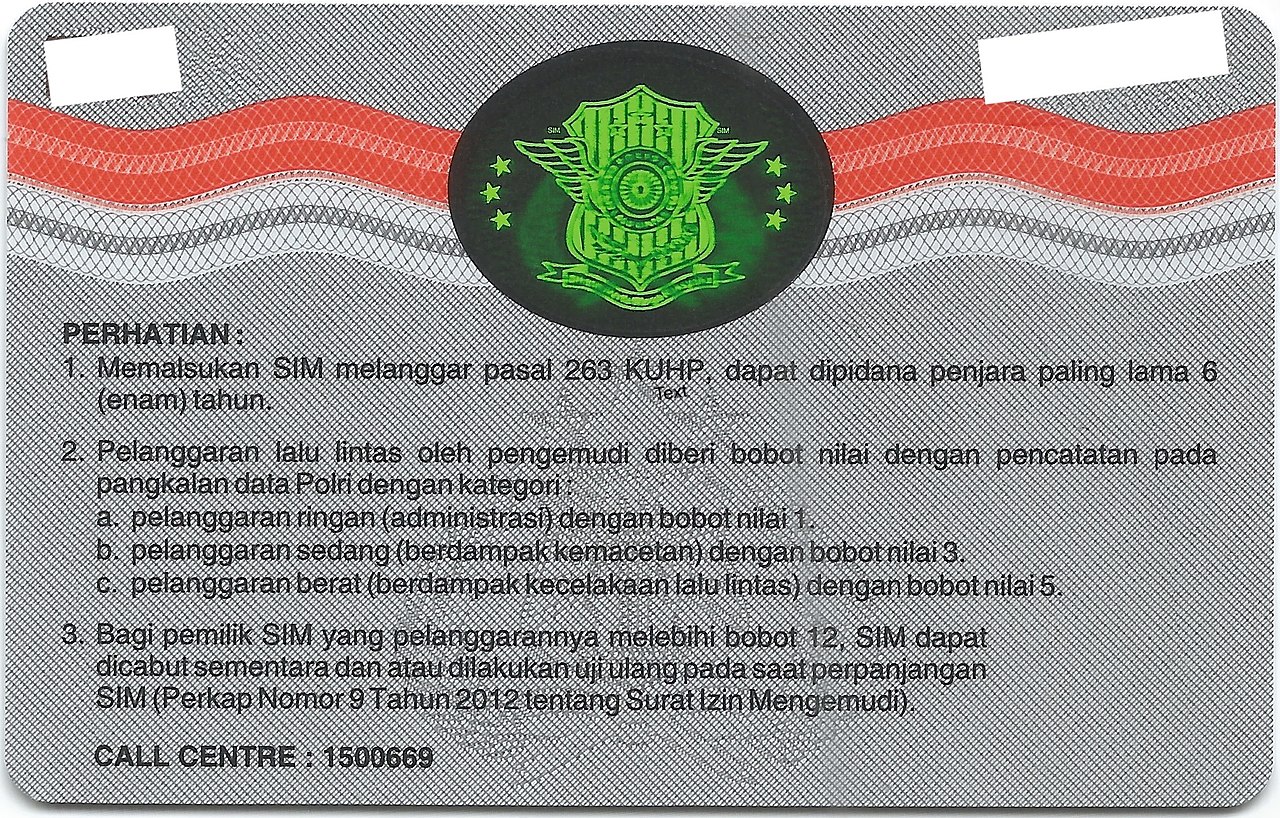


Characteristics and classes
Licenses are organized into classes or categories that reflect vehicle size, weight, or passenger capacity. Common classifications include standard private-vehicle licenses, motorcycle endorsements, and professional or commercial credentials required to carry goods or passengers. Conditions such as corrective-lens requirements, time-of-day restrictions, or probationary status may be encoded on the card.
How they are obtained and regulated
Prospective drivers usually must meet age and medical standards, pass a written knowledge test and a practical driving examination, and provide identifying documentation. Many systems use a graduated structure that begins with a learner permit, progresses to a provisional or intermediate license, and finally grants full driving privileges. Authorities also handle renewals, record traffic violations, and may suspend or revoke privileges for serious offenses.
History and development
As motor vehicles became widespread, governments introduced licensing to improve safety and accountability. Over time licenses moved from simple paper certificates to standardized, tamper-resistant cards with photographs, bar codes or chips and other security features. International agreements and permits allow temporary driving in other countries under certain conditions.
Beyond authorizing vehicle operation, licenses serve public-safety and administrative functions: they link drivers to training standards, insurance systems and enforcement actions. Emerging trends include digital and mobile license formats and integrated databases to reduce fraud and streamline services. Misuse, driving without a valid license, or falsification carries legal penalties in most jurisdictions.
Related articles
Author
AlegsaOnline.com Driver's license Leandro Alegsa
URL: https://en.alegsaonline.com/art/28960
Sources
- vicroads.vic.gov.au : "How to get your probationary car licence : VicRoads"