
Saxifragales: an order of flowering plants
Saxifragales is an order of primarily temperate flowering plants that unites several diverse families — including saxifrages, peonies and stonecrops — important in horticulture and ecological communities.
Overview
The Saxifragales are an order of flowering plants (angiosperms) placed among the core eudicots. Members range from small alpine herbs to woody shrubs and trees. The group unites a diverse set of families that were once placed in different parts of older classification systems but are now linked by molecular and morphological evidence.
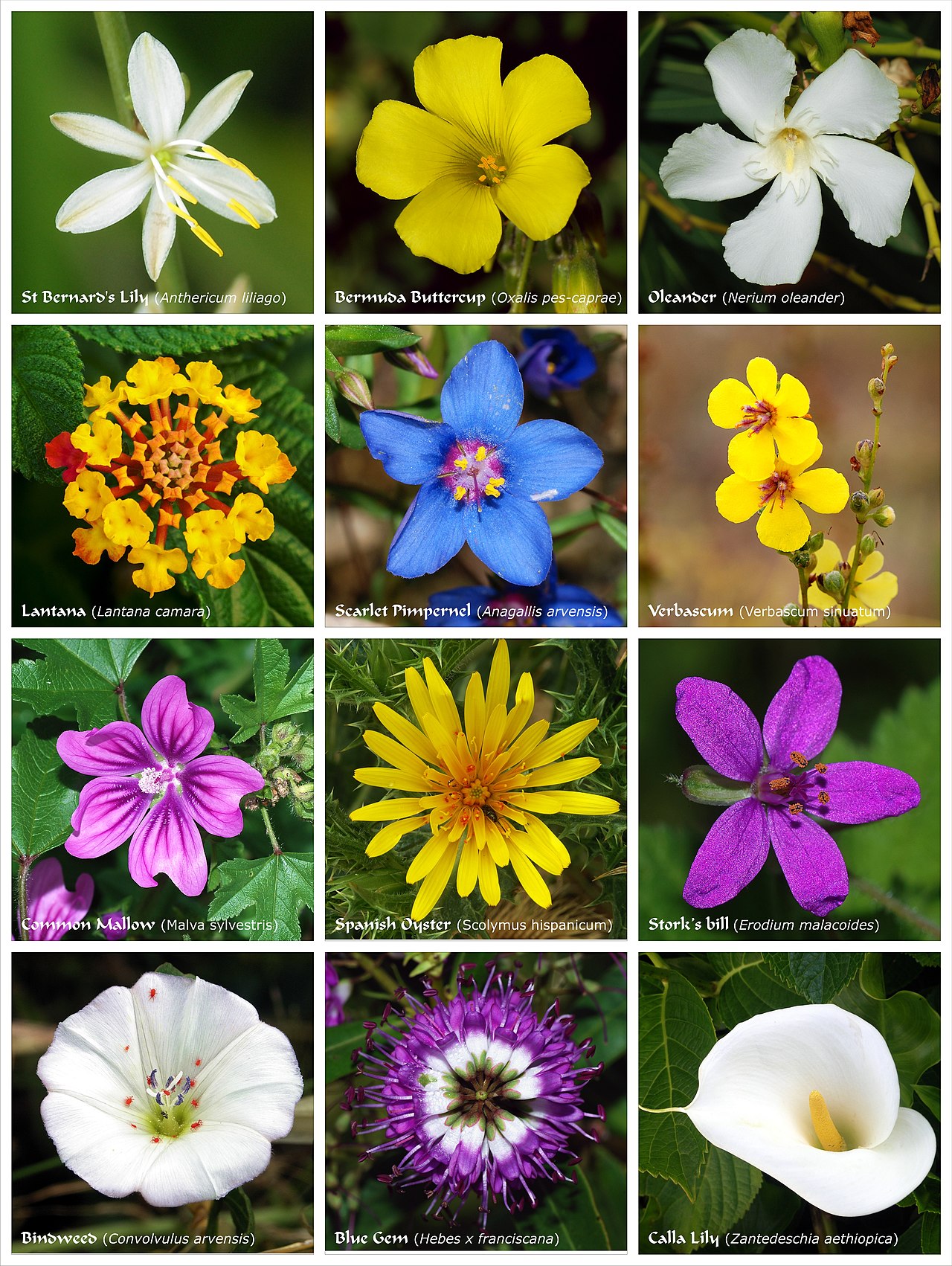
Image gallery
10 Images




Characteristics
Plants in this order show varied growth forms and life histories. Many are herbaceous perennials adapted to cool or rocky habitats, while others are shrubs or small trees. Flowers typically have distinct petals and sepals and are arranged in different types of inflorescences; fruit types vary across the order. These variable traits reflect a long history of ecological diversification rather than a single uniform morphology.
Taxonomy and evolution
Modern recognition of Saxifragales emerged from DNA-based phylogenetic studies that redefined relationships among several previously disparate families. The order illustrates how molecular systematics can reveal evolutionary lineages not obvious from appearance alone. For more on current circumscription and family placements, see taxonomic references.
Uses and ecological roles
Many Saxifragales are important in horticulture and landscaping: compact saxifrages are popular in rock gardens, peonies are grown for large ornamental flowers, and various succulent members are used in dry gardens and green roofs. Ecologically, species can be key components of alpine, temperate forest understory, and shrubland communities, providing nectar, foliage and habitat for insects and small animals.
Notable facts and distinctions
- Saxifragales is a molecularly defined order within the core eudicots rather than a grouping based solely on one clear morphological trait.
- The order contains both economically valued ornamentals and species specialized for extreme environments, such as rocky crevices or drought-prone sites.
- Taxonomic boundaries have shifted as new phylogenetic evidence has become available, so family composition can differ between classification systems.
Overall, Saxifragales exemplifies botanical diversity: its members occupy a wide range of habitats and include plants of horticultural, ecological and scientific interest. For more detailed family- and genus-level information consult specialized floras or current phylogenetic summaries.
Related articles
Author
AlegsaOnline.com Saxifragales: an order of flowering plants Leandro Alegsa
URL: https://en.alegsaonline.com/art/87691