
Scots pine (Pinus sylvestris): description, distribution, ecology and uses
Scots pine (Pinus sylvestris) is a widely distributed Eurasian conifer, valued for timber, habitat value and adaptability across boreal and montane landscapes from western Europe to Siberia.
Overview
The Scots pine (Pinus sylvestris) is a widespread evergreen conifer native to much of Europe and Asia. It is one of the most widely distributed pines, occurring from western Atlantic outposts to the forests of eastern Asia. The species is important in natural woodlands and in commercial forestry because of its adaptability to a range of soils and climates.
Image gallery
10 Images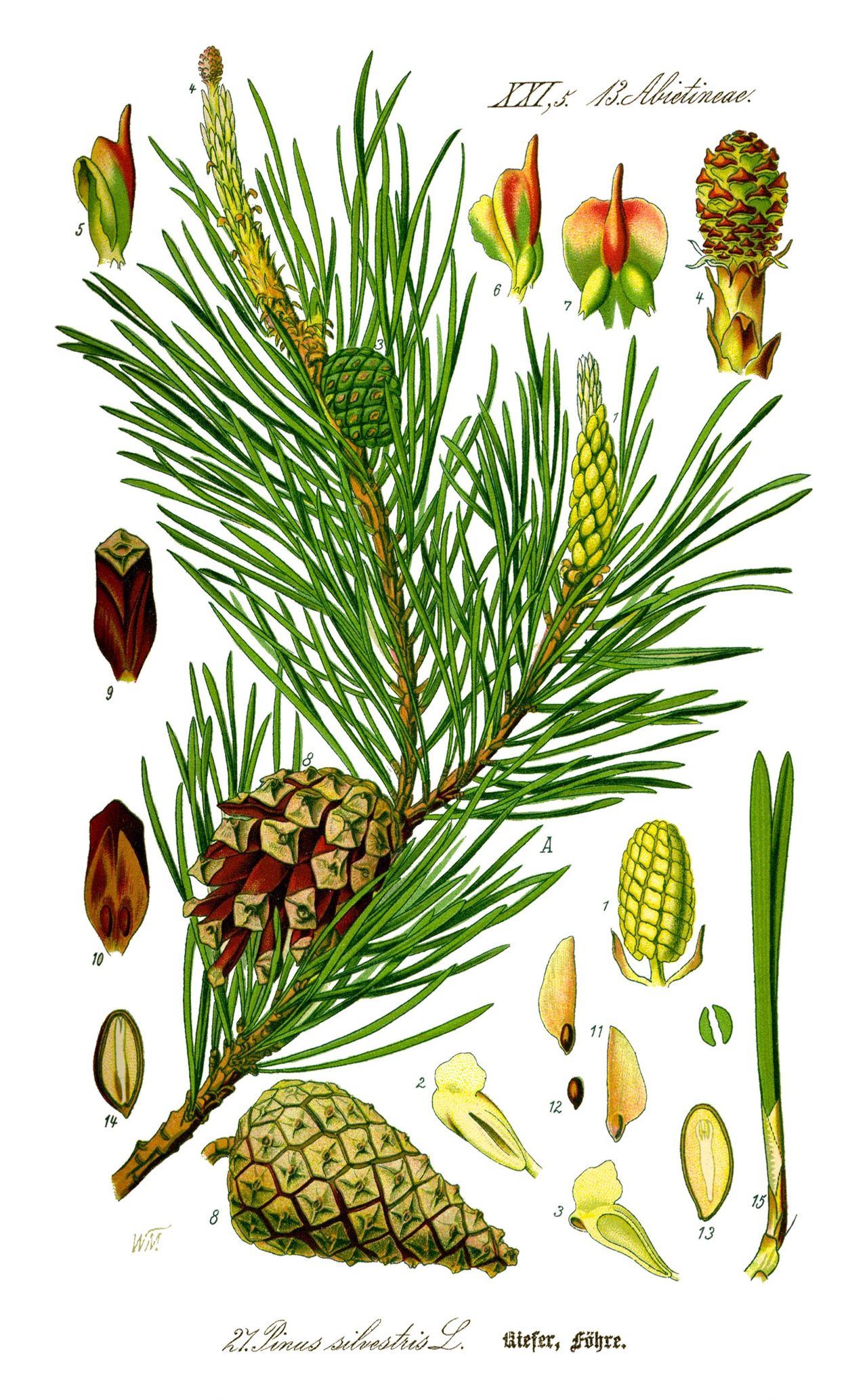



Identification and characteristics
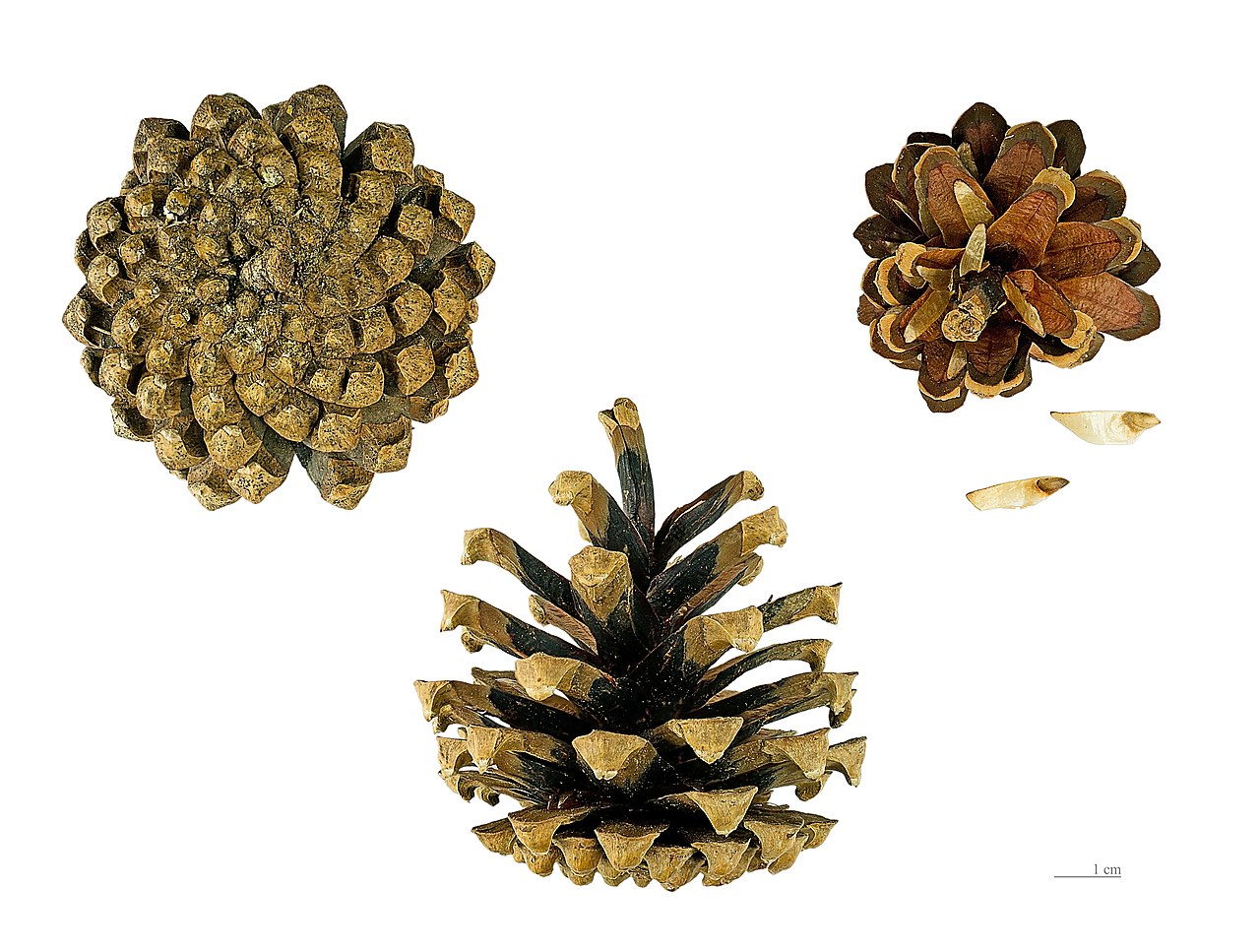
Scots pine is typically recognised by its pairs of needles (two per fascicle), short blue-green foliage and the characteristic orange-red flaky bark that often colours the upper crown while the lower trunk remains darker. Young trees have a conical crown; mature trees often develop a tall, straight trunk with an open crown in exposed sites. Seed cones are relatively small and release winged seeds that are wind-dispersed.
Range, habitat and adaptations
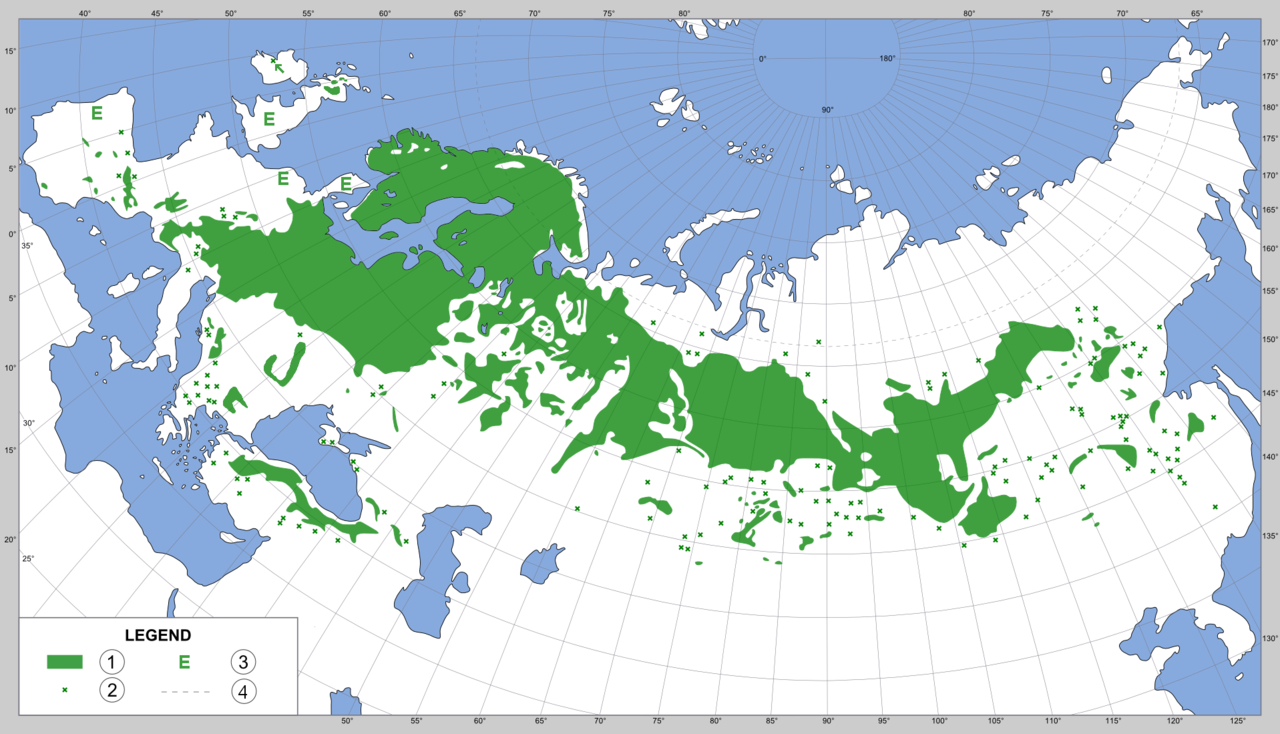
Its natural range includes western outposts such as Scotland, Ireland and parts of Portugal, extending east across continental Europe into Siberia and reaching mountain systems such as the Caucasus. In northern latitudes the species can occur at sea level and within the Arctic; in southern parts of its range it is typically a montane tree. Scots pine tolerates cold, wind, acidic and nutrient-poor soils and shows considerable local genetic variation linked to climate and altitude.
Reproduction and growth
Reproduction is by seed, with cones maturing and releasing small, winged seeds adapted for wind dispersal. Establishment frequently follows disturbance; the species commonly acts as a pioneer on open ground but also persists in long-lived woodland. Growth rate and form vary with site fertility and climate.
Ecological role
Scots pine supports characteristic native pinewood habitats and a rich associated biota. Its seeds, needles and bark provide food and shelter for birds, mammals, invertebrates and lichens. Remnant native pinewoods, such as those conserved in parts of Scotland, are valued for biodiversity and cultural heritage.
Uses, cultivation and management
The species has long been planted for timber, pulp and fuel because of its straight grain and workability. It is used in construction, fencing, furniture and paper production and is widely planted for reforestation and landscape planting. Management objectives range from commercial production to restoring native woodland structure and conserving local genetic stocks. For further species information see general pine resources at species profiles.
Threats and conservation
While globally widespread and not universally threatened, local populations can decline through land-use change, replacement by non-native provenances, pests, pathogens and changes in fire regimes. Conservation often focuses on protecting native pinewood remnants and promoting locally adapted planting material. Regional information is available for northern and eastern areas and for restoration programs in Scandinavia and elsewhere (eastern regions, northern regions).
Similar species and identification cautions
Non-experts should note that other pines and conifers can look similar in cultivation; reliable identification uses a combination of needle count, bark, cone and overall habit. Local floras and regional guides provide the best detail for distinguishing Scots pine from related taxa.
Questions and answers
Q: What is the common name of Pinus sylvestris?
A: The common name of Pinus sylvestris is Scots pine.
Q: Where is the native range of Scots pine?
A: The native range of Scots pine includes Europe and Asia.
Q: What countries are included in the western part of its range?
A: The western part of its range includes Scotland, Ireland, and Portugal.
Q: What is the altitude range of Scots pine in the north of its range?
A: In the north of its range, Scots pine occurs from sea level to 1,000 m.
Q: What is the altitude range of Scots pine in the south of its range?
A: In the south of its range, Scots pine is a high altitude mountain tree, growing at 1,200–2,600 m altitude.
Q: What color are the leaves of Scots pine?
A: The leaves of Scots pine are blue-green in color.
Q: What color is the bark of Scots pine?
A: The bark of Scots pine is orange-red in color.
Related articles
Author
AlegsaOnline.com Scots pine (Pinus sylvestris): description, distribution, ecology and uses Leandro Alegsa
URL: https://en.alegsaonline.com/art/88093
Sources
- iucnredlist.org : Pinus sylvestris
- conifers.org : Pinus sylvestris
- treesforlife.org.uk : Species profile: Scots pine