
Schinus (pepper trees): overview, species, uses and ecological notes
Schinus is a genus of flowering plants in the cashew family (Anacardiaceae), commonly called pepper trees. They are valued as ornamentals and for 'pink peppercorns', but some species are invasive and can cause allergic reactions.
Overview
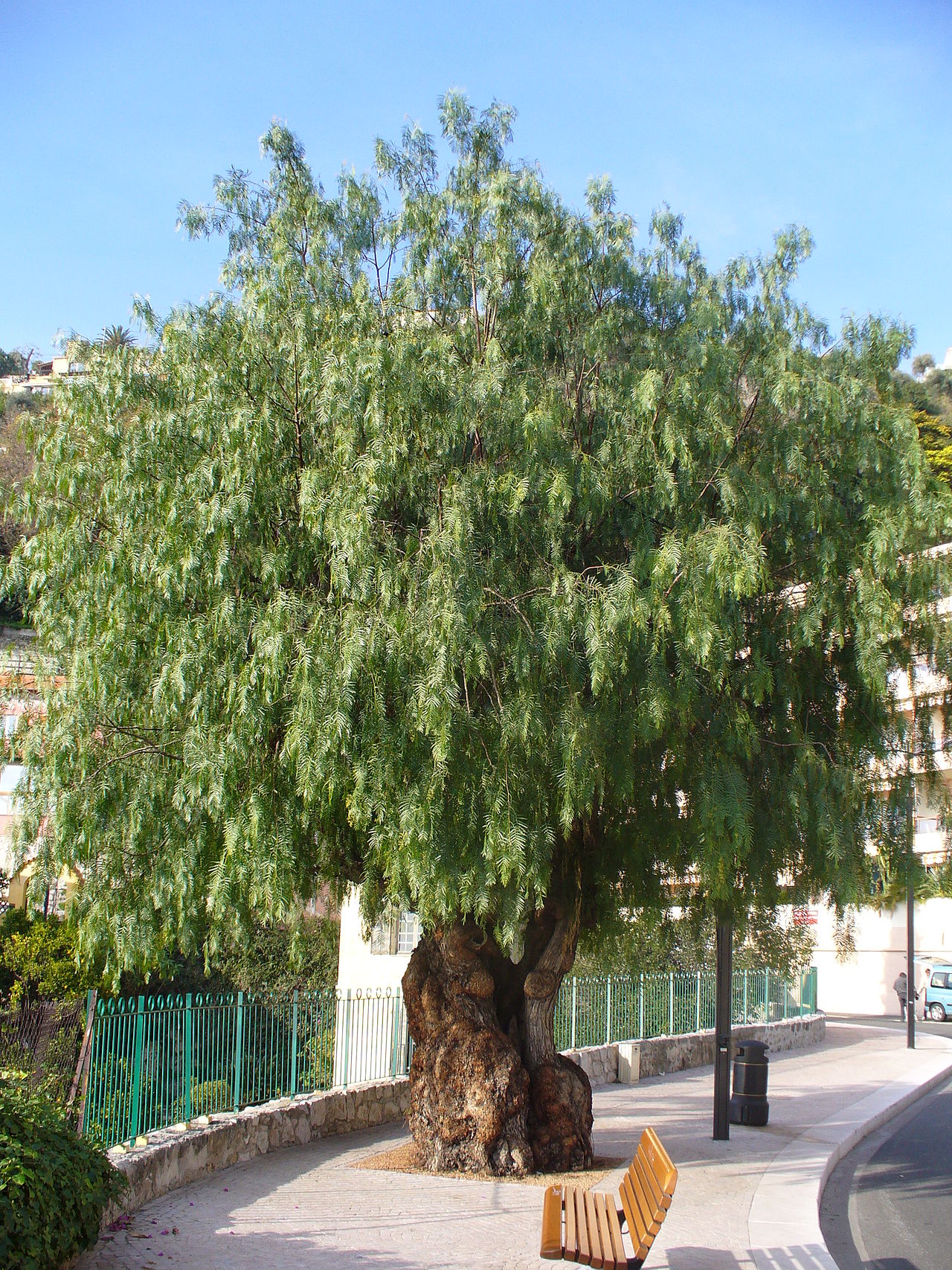
Schinus is a genus of trees and shrubs in the family Anacardiaceae, widely known as pepper trees. Native mainly to South America, members of the genus are evergreen or semi-evergreen and are cultivated around the world for their decorative foliage, clusters of small flowers and colorful drupes that resemble peppercorns. Although their fruit is marketed in some places as "pink peppercorns," these plants are not true black pepper (Piperaceae).
Image gallery
3 Images

Characteristics
Plants in the genus typically have alternate, pinnate leaves and produce small, inconspicuous flowers in panicles. The fruit are small, round drupes that ripen to red or pink and are often produced in dense clusters. The bark of some species is rough and fissured; many are drought tolerant and adapt well to warm, dry climates. As members of Anacardiaceae, they produce resins that can cause contact dermatitis in sensitive individuals.
Notable species and distribution
- Schinus molle — commonly called Peruvian or California pepper tree; native to western South America and widely naturalized in Mediterranean and subtropical regions. See Schinus molle for cultivation notes.
- Schinus terebinthifolia — known as Brazilian pepper tree; native to Brazil and surrounding countries, but invasive in parts of Florida, Hawaii and other subtropical areas.
- Other species occur across South America with localized distributions and varying degrees of horticultural use.
Uses and cultural importance
Schinus species are planted as ornamentals, street trees and windbreaks because of their attractive canopy and tolerance of poor, dry soils. The dried berries are sometimes used as a spice substitute and sold as pink peppercorns, often blended with true peppercorns. In traditional medicine, various parts of these plants have been used for topical or folk remedies, though such uses are not universally endorsed by modern medicine.
Ecology, impacts and safety
When introduced outside their native range, some Schinus species can become invasive, forming dense thickets that displace native vegetation and alter habitats. Their fruits are eaten and dispersed by birds, aiding spread. People with sensitivities to Anacardiaceae may develop allergic contact dermatitis from sap or foliage. Animals and children can experience mild gastrointestinal upset if they ingest large amounts of the berries. Management of invasive populations often requires a combination of mechanical removal and chemical control.
Distinctions: Although called pepper trees and used for culinary purposes in limited contexts, Schinus is taxonomically distinct from true pepper plants of the genus Piper. Awareness of allergy risks and local regulations is recommended before planting or using these species.
Related articles
Author
AlegsaOnline.com Schinus (pepper trees): overview, species, uses and ecological notes Leandro Alegsa
URL: https://en.alegsaonline.com/art/87871
Sources
- jstor.org : Brittonia 5: 160-198