
Saul Bellow (1915–2005)
Saul Bellow was a major 20th-century novelist known for comic, philosophical fiction about urban life, Jewish identity, and intellectuals. He won the Nobel Prize in Literature in 1976.
Overview
Saul Bellow, born Solomon Bellows in 1915, was a prominent novelist and essayist with roots in both Canada and the United States. He is often described as a Canadian–American writer whose work combines vivid urban detail, psychological observation, and philosophical reflection. Bellow grew up in Montreal in a family of Russian Jewish immigrants before relocating as a child to the American Midwest.
Image gallery
5 Images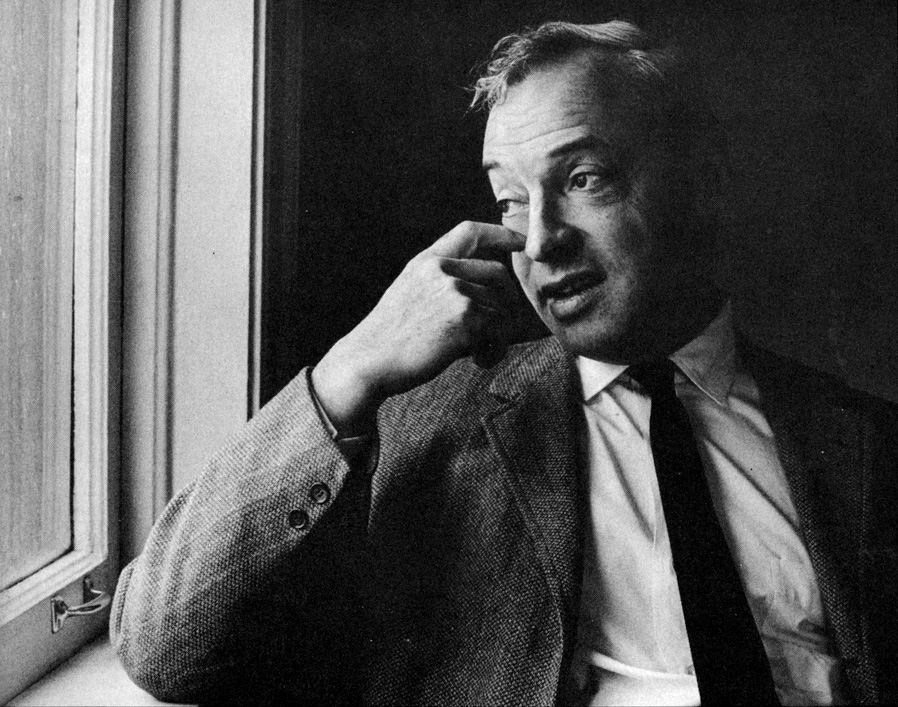


Life and background
When he was nine, Bellow's family moved to Chicago, Illinois, a city that would become central to his fiction and to the sense of bustling, plural urban life that informs many of his books. He later became an American citizen in 1941. Throughout his life Bellow lived in several American cities and taught at universities, but he remained closely associated with the social and intellectual landscapes of mid‑20th century North America.
Major works and themes
Bellow's novels frequently explore questions of identity, ambition, moral responsibility, and the difficulties of modern life. Notable titles include The Adventures of Augie March, Henderson the Rain King, Herzog, Seize the Day, Mr. Sammler's Planet, and Humboldt's Gift. His protagonists are often urbane, talkative, self‑reflective figures — intellectuals or outsiders — whose struggles are both personal and cultural. A concise list of selected works appears below.
- The Adventures of Augie March
- Henderson the Rain King
- Herzog
- Seize the Day
- Mr. Sammler's Planet
- Humboldt's Gift
Style and significance
Bellow's prose is known for its energetic sentences, rhetorical flair, and frequent engagement with philosophical ideas. He combined realist depiction of city life with comic episodes and extended interior monologues, producing novels that read as both social commentary and intellectual inquiry. His work helped shape postwar American fiction and influenced later writers interested in character‑driven narratives and moral complexity.
Awards and legacy
In recognition of his achievement Bellow was awarded the Nobel Prize in Literature in 1976 and received other major honors during his career. Critics and readers continue to study his explorations of Jewish identity, the role of the intellectual, and the cultural transformations of 20th‑century America. He died in 2005 in Brookline, Massachusetts, leaving a body of work that remains widely read and debated.
Notable facts
Readers often note Bellow's gift for combining comedy with seriousness: his books can be both uproariously funny and deeply concerned with ethics, memory, and belonging. For introductions to his life and writings see major literary surveys and biographies that place his work in the context of American letters and Jewish diasporic experience.
Related articles
Author
AlegsaOnline.com Saul Bellow (1915–2005) Leandro Alegsa
URL: https://en.alegsaonline.com/art/87545