
Sax Rohmer (Arthur Henry Ward): Creator of Dr. Fu Manchu
English novelist Arthur Henry Ward (1883–1959), known as Sax Rohmer, created the fictional villain Dr. Fu Manchu. His popular thrillers shaped pulp fiction, cinema and debates about race and imperial fear.
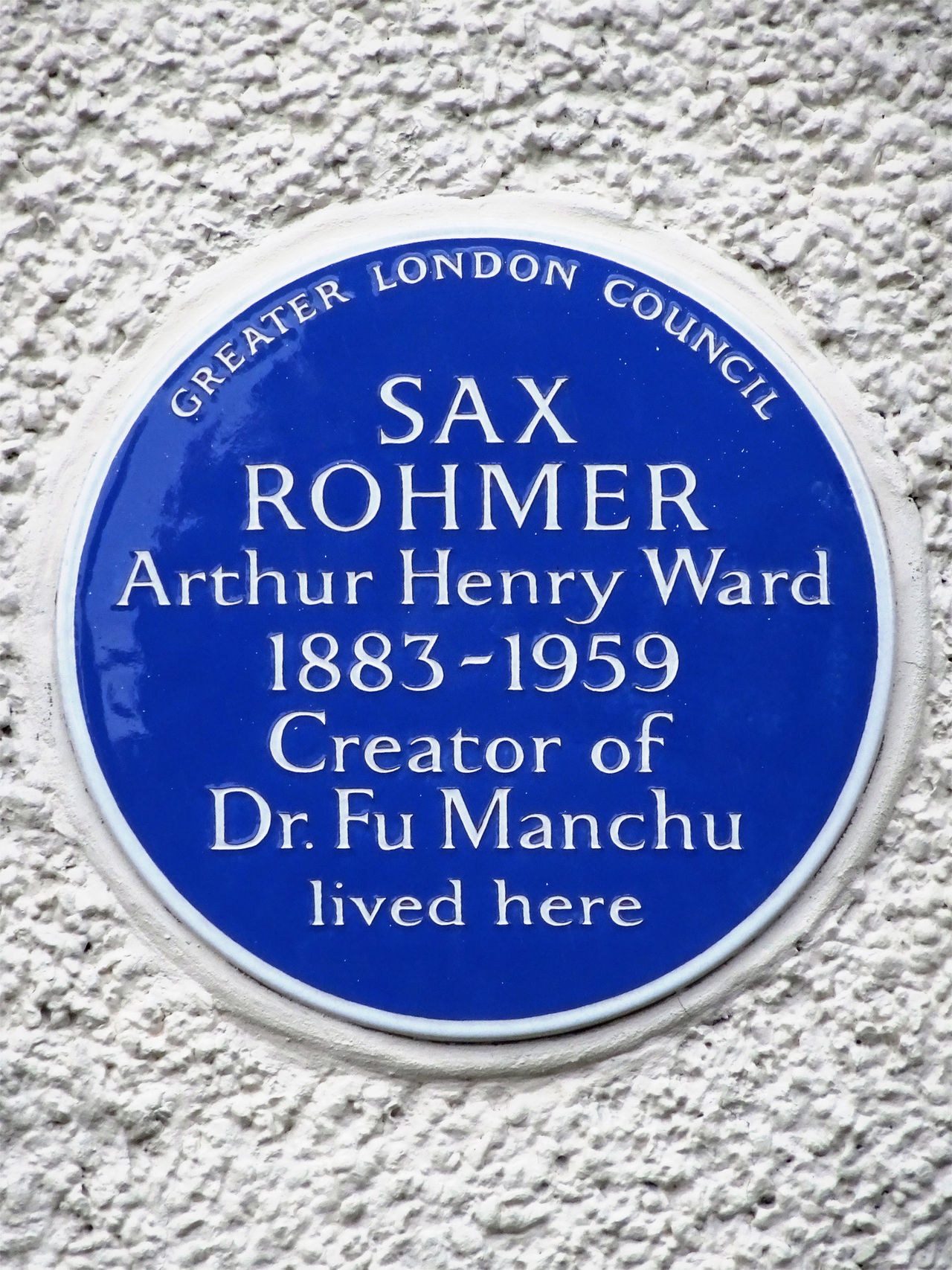
Arthur Henry Ward (15 February 1883 – 1 June 1959), better known by the pen name Sax Rohmer, was an English novelist who achieved wide popularity in the early 20th century. Born in Birmingham to Irish parents, he wrote numerous thrillers and serial stories. His most enduring creation is the shadowy mastermind known as Dr Fu Manchu, a figure who became synonymous with certain popular anxieties of Rohmer's era.
Image gallery
3 Images

Early career and first success
Before striking literary gold with Fu Manchu, Ward worked in journalism and on theatrical projects. He gained some recognition after ghostwriting the life story of the music-hall comedian Little Tich and producing writing connected with the music hall scene. Building on that experience, Rohmer published his first Fu Manchu story as a serial, The Mystery of Dr. Fu-Manchu, which ran from October 1912 to June 1913 and immediately found a large readership.
Characteristics of the Fu Manchu stories
The Fu Manchu tales typically pit two Western investigators—a dogged official, Denis Nayland Smith, and his friend Dr. Petrie—against a vast conspiracy orchestrated by an inscrutable Eastern genius. The plots emphasize exotic settings, secret societies and ingenious criminal schemes; they rely on suspenseful cliffhangers suited to serialization. Many episodes suggest a global threat directed by a single mastermind, a motif that fueled readers' fascination and the series' dramatic appeal.
Context, themes and controversy
The popularity of Rohmer's work must be read against the political and cultural backdrop of the time. His villains embodied fears sometimes labeled the "yellow peril," a phrase coined in European political debate at the turn of the century. Rohmer's portrayals relied heavily on stereotypes and orientalist tropes that later readers and critics have criticized for racist overtones. At the same time, the novels reveal contemporary anxieties about empire, migration and modernity.
Legacy, adaptations and reception
Rohmer became one of the best-paid and most widely read pulp authors of the 1920s and 1930s. His Fu Manchu stories inspired stage plays, film serials, radio programmes and comic adaptations, helping to shape the archetype of the supervillain in popular entertainment. The figure of Fu Manchu influenced later spy and crime fiction even as the character has been reassessed critically for its cultural implications.
Notable facts and further reading
- Rohmer published many other works beyond Fu Manchu, including detective stories and thrillers that continued the serial tradition.
- The recurring investigators Denis Nayland Smith and Dr. Petrie served as foils to Rohmer's mastermind, creating a template for recurring hero–villain dynamics.
- The stories reflect a period fascination with global conspiracies and exoticized enemies—an aspect sometimes described simply as a worldwide conspiracy theme.
- Rohmer's influence is visible in adaptations across media and in the evolution of the pulp genre into modern spy fiction.
Readers exploring Rohmer's work today are advised to balance interest in historical genre writing with awareness of its problematic portrayals. For contextual study, look for biographies and critical studies that situate his fiction within early 20th-century social and imperial history. For contemporary access, there are numerous reprints and adaptations that reflect both the appeal and the controversies that attended Sax Rohmer's career.
Questions and answers
Q: Who was Sax Rohmer?
A: Sax Rohmer was the pen name of Arthur Henry Ward, an English novelist.
Q: What is Sax Rohmer remembered for?
A: Sax Rohmer is best remembered for creating the master criminal Dr. Fu Manchu.
Q: How did Sax Rohmer come up with the idea for Dr. Fu Manchu?
A: After ghostwriting the autobiography of Little Tich, Sax Rohmer issued the first Fu Manchu novel, The Mystery of Dr. Fu-Manchu, which was serialised from October 1912 to June 1913 and was an immediate success.
Q: Who were the main characters in The Mystery of Dr. Fu-Manchu?
A: The main characters were police official Denis Nayland Smith and Dr. Petrie who are facing a worldwide conspiracy led by a mastermind.
Q: What was the cultural context of The Mystery of Dr. Fu-Manchu's success?
A: The Mystery of Dr. Fu-Manchu was successful because it reflected the "yellow peril" scares of the times, which was a phrase coined by Kaiser Wilhelm II of Germany in the 1890s.
Q: Apart from Dr. Fu Manchu, what other successful writing did Sax Rohmer produce?
A: Sax Rohmer's other writing also contributed to his success as one of the most well-paid authors of the 1920s and 1930s.
Q: What was Sax Rohmer's background and where was he born?
A: Sax Rohmer was born in Birmingham to Irish parents.
Related articles
Author
AlegsaOnline.com Sax Rohmer (Arthur Henry Ward): Creator of Dr. Fu Manchu Leandro Alegsa
URL: https://en.alegsaonline.com/art/87678