
Sapa Inca: Ruler and Symbol of the Inca Empire
The Sapa Inca was the supreme hereditary ruler of the Inca state, combining political, military and religious authority. This article outlines the office, duties, origins, expansion and legacy.
Overview
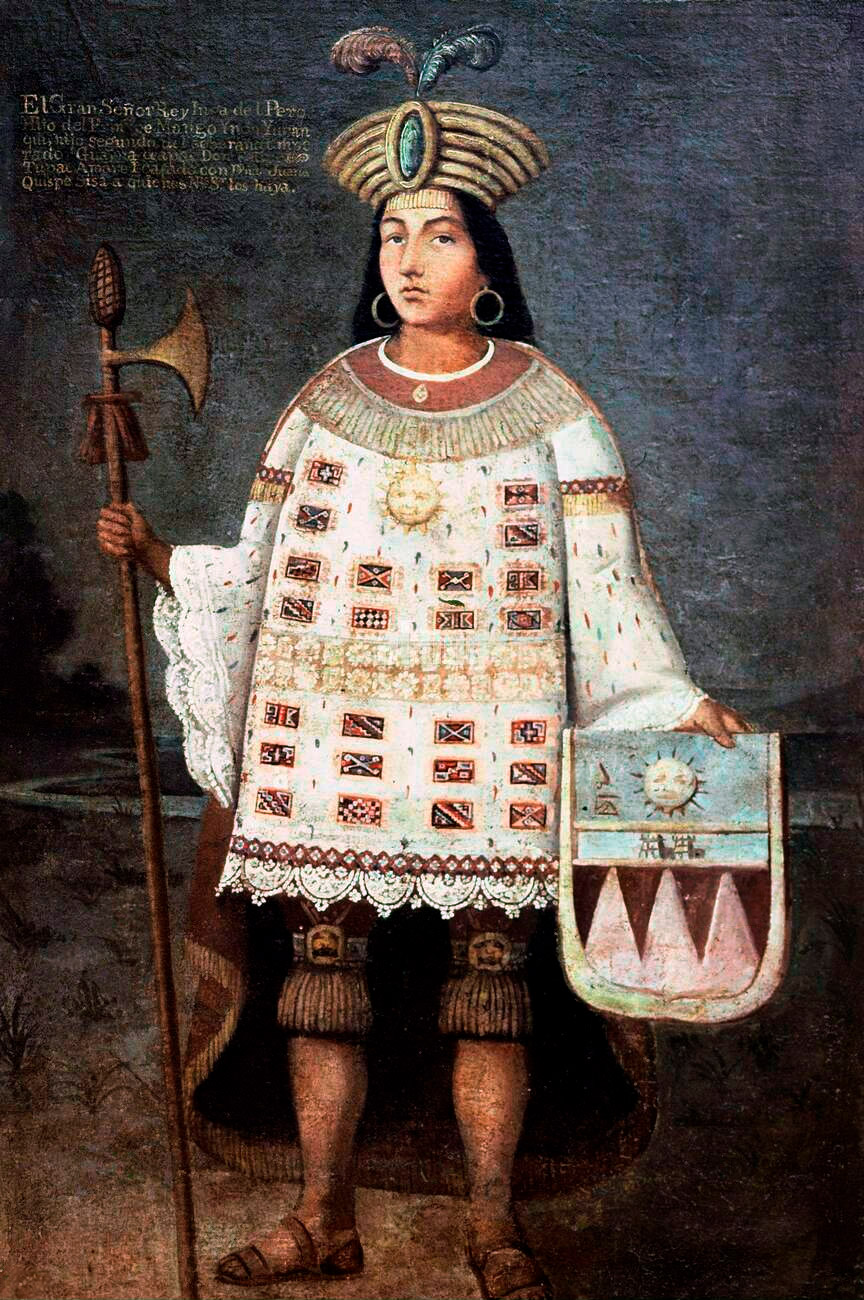
The title Sapa Inca — from Quechua meaning "the only Inca" or "the great Inca" — designated the supreme ruler of the state that became the Inca Empire in the central Andes. The Sapa Inca served as head of government, commander of armies, high priest, and the symbolic descendant of the sun god Inti according to Inca belief. The office centralized political power in Cuzco and linked diverse societies across modern Peru, Ecuador, Bolivia and parts of Chile and Argentina.
Image gallery
10 Images


Role and responsibilities
As both sacred monarch and practical administrator, the Sapa Inca combined several functions. He directed military campaigns that expanded the state's territory, oversaw redistribution and taxation systems that organized labor and resources, and presided over major religious festivals. The palace and its court managed large estates that supported the ruler and his retinue. The Sapa Inca's decisions set policy for road-building, storehouses, and the allocation of land to communities and officials.
Symbols, ritual and daily life
The Sapa Inca was presented and treated as semi-divine; rituals emphasized his special relationship with the sun god. He lived in conspicuous wealth, with exclusive dress, ornaments and privileges. On death, elite rulers were often mummified and kept as ancestors whose continued presence could legitimize successors and bind elites. Royal women and kin formed a distinct household that supported religious, political and economic functions of the dynasty.
Succession and political organization
Succession was generally hereditary but not strictly automatic: imperial succession combined principles of lineage, designation by the preceding ruler, and support from royal kin and officials. The new ruler had to secure loyalty across the imperial bureaucracy and military. Local elites were incorporated through alliances, administrative posts and resettlement policies that helped integrate newly conquered areas.
Expansion, encounter and collapse
Under a sequence of energetic rulers the realm grew from a regional chiefdom centered on Cuzco to a far-reaching empire. Important expansion phases in the 15th and early 16th centuries brought territories across the highlands and coastal valleys under Inca administration. The arrival of Spanish conquerors in the early 1530s disrupted imperial structures: the capture and execution of the last independent Sapa Inca marked a decisive turning point, and Spanish authorities later installed puppet rulers before ending the last native claim in the 1570s.
Legacy and distinctions
The institution of the Sapa Inca shaped Andean institutions of authority and social organization. Archaeological remains, colonial records, and oral traditions preserve evidence of the office's religious significance, administrative reach, and economic foundations. Modern Andean identities and historical research continue to study how the Sapa Inca combined divine kingship with practical governance.
Further reading and related topics
- Sapa Inca (general overview)
- Quechua language and terms
- Cuzco: political and ceremonial center
- Military organization in the Inca state
- Inca Empire: institutions and economy
- Territorial reach in the southern Andes
- Northern expansions toward modern Ecuador
- Highland societies in modern Peru
- Andean regions within Bolivia
- Last native rulers and Spanish conquest
Related articles
Author
AlegsaOnline.com Sapa Inca: Ruler and Symbol of the Inca Empire Leandro Alegsa
URL: https://en.alegsaonline.com/art/87262
Sources
- mediatheek.thinkquest.nl : mediatheek.thinkquest.nl