
Cusco (Qosqo) — Historic Inca and Colonial City in Peru
Cusco is a historic city in southeastern Peru, formerly the Inca capital and now a UNESCO World Heritage site. It is a cultural and tourism hub and gateway to the Sacred Valley and Machu Picchu.
Overview
Cusco is a city in southeastern Peru set high in the Andes mountains. It served as the political and ceremonial center of the Inca Empire and today functions as the capital of the Cusco Region. The city's Quechua name is Qosqo or Qusqu, and it is commonly spelled Cusco or Cuzco in Spanish. At roughly 3,400 meters above sea level, Cusco is a major cultural crossroads and the primary gateway for visitors heading to the Sacred Valley and the archaeological site of Machu Picchu.
Image gallery
10 Images

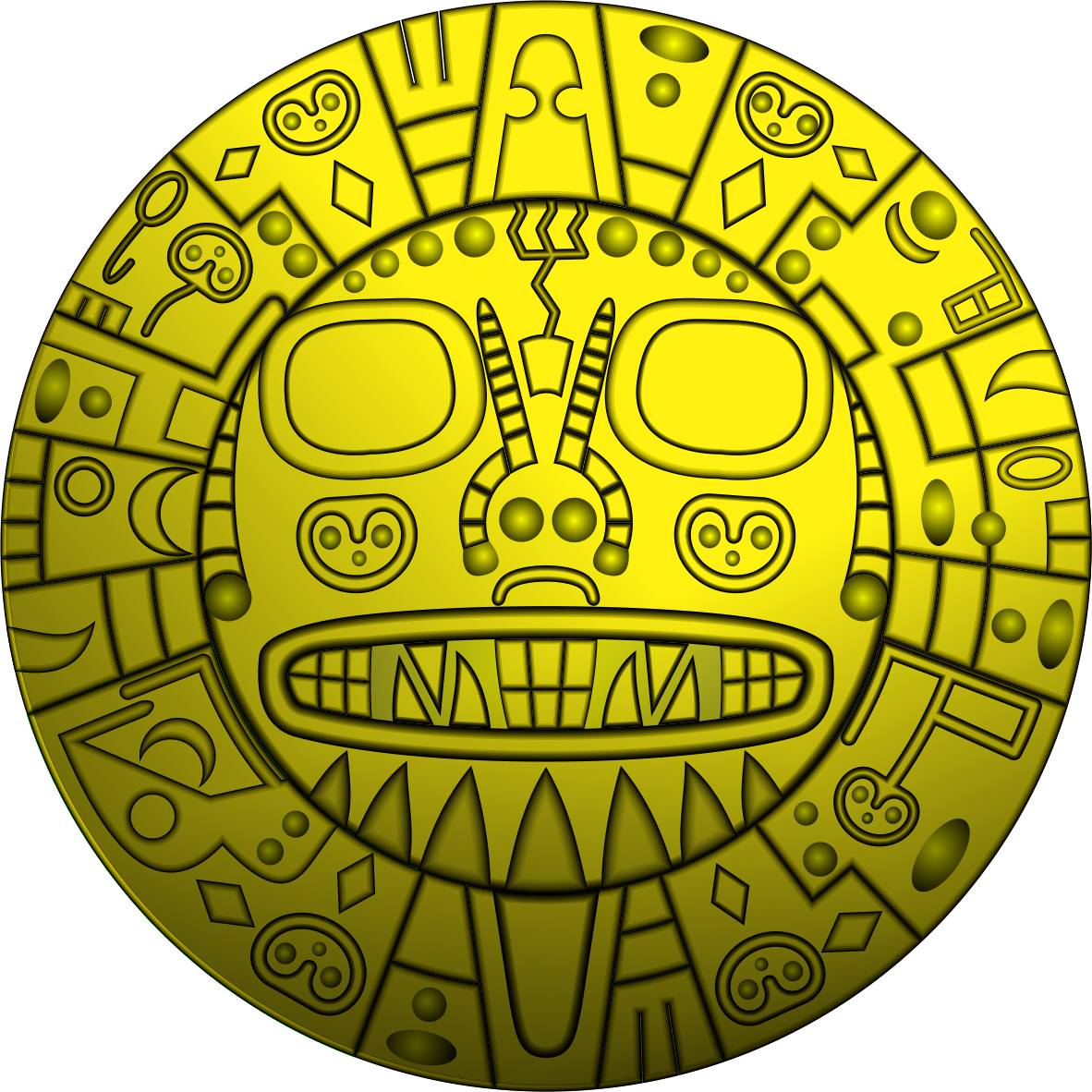


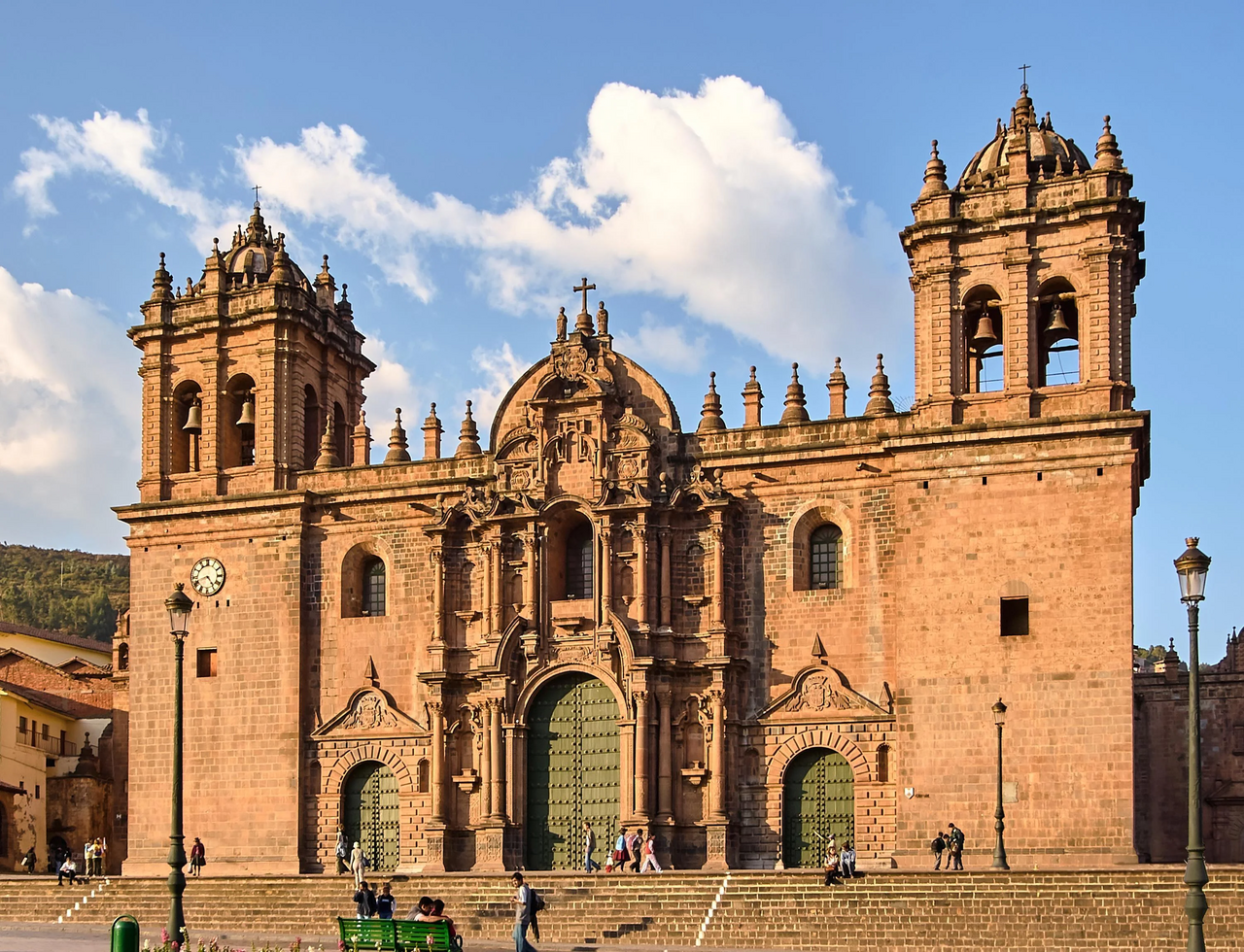

Geography and urban character
Situated in the Huatanay (Sacred) Valley of the Andes, Cusco combines steep streets, plazas, and terraces with layers of pre-Columbian and colonial construction. The modern city grew around a compact historic center whose narrow lanes and stone foundations reflect Inca urban planning beneath Spanish-era churches and mansions. Neighborhoods such as San Blas are known for workshops, artisan markets, and panoramic views.
Historical development
As the core of the Inca state, Cusco was the focal point for administration, religion and road networks that connected much of western South America. After the Spanish conquest in the 16th century, colonial builders reused Inca stone foundations to erect cathedrals and monasteries, creating the distinctive blend of stone masonry and Baroque architecture visible today. The city preserved many archaeological remains, including temple foundations and fortifications.
Culture, festivals and language
Cusco remains a living center of Andean culture. Quechua is still widely spoken alongside Spanish, and annual festivals such as Inti Raymi (the Festival of the Sun) revive Inca-era rituals. The local economy mixes government services, education, handicraft production and tourism; traditional music, cuisine and textiles are prominent attractions for visitors.
Notable sites and tourism
Major landmarks include the Plaza de Armas, the Coricancha (Temple of the Sun), and the massive stone terraces and walls of Sacsayhuamán. Many travelers use Cusco as a staging point for excursions into the Sacred Valley and to reach Machu Picchu. Preservation and visitor management are ongoing concerns as the city balances heritage conservation with modern needs.
Distinctive facts
- Cusco was declared a UNESCO World Heritage Site for its cultural and architectural significance.
- The city illustrates continuity between pre-Columbian urbanism and colonial redevelopment.
- Local names and spellings, such as Qusqu or Qosqo, reflect the Quechua linguistic heritage; see more on Quechua.
- Cusco is the administrative center of the broader region and a hub for access to the Sacred Valley and other archaeological sites.
For travel planning, research on regional governance and cultural programs is often available through regional resources and tourism offices; basic regional context can be explored via Peru and local guides.
Questions and answers
Q: Where is Cusco located?
A: Cusco is located in southeastern Peru, near the Huatanay Valley in the Andes mountain range.
Q: What is the population of Cusco?
A: The city has a population of about 300,000, which is triple the population it contained just 20 years ago.
Q: What is the alternate spelling of Cusco in old Quechua?
A: The alternate spelling of Cusco in old Quechua is Qusqu.
Q: After the Spanish arrived, what was the alternate spelling of Cusco?
A: After the Spanish arrived, the alternate spelling of Cusco was Cusco.
Q: What is the current Quechua spelling of Cusco?
A: The current Quechua spelling of Cusco is Qosqo.
Q: What is the preferred way to spell Cusco in Spanish?
A: The preferred way to spell Cusco in Spanish is Cusco.
Q: What is the capital of Cusco Region?
A: Cusco is the capital of Cusco Region.
Related articles
Author
AlegsaOnline.com Cusco (Qosqo) — Historic Inca and Colonial City in Peru Leandro Alegsa
URL: https://en.alegsaonline.com/art/24765