
Sardar: title, honorific and tribal chief
Sardar (also Sirdar or Serdar) is a traditional title meaning leader or chief used across South and Central Asia. This article covers its origins, regional roles, historical uses and modern forms.
Overview
Sardar, sometimes spelled Sirdar or Serdar, is a title traditionally applied to leaders, chiefs and nobles in parts of South and Central Asia. It appears in the social histories of India, Pakistan, Iran and Afghanistan, and beyond. Depending on time and place it has meant a tribal head, a princely noble, a military commander or a general honorific before a personal name.
Image gallery
8 Images


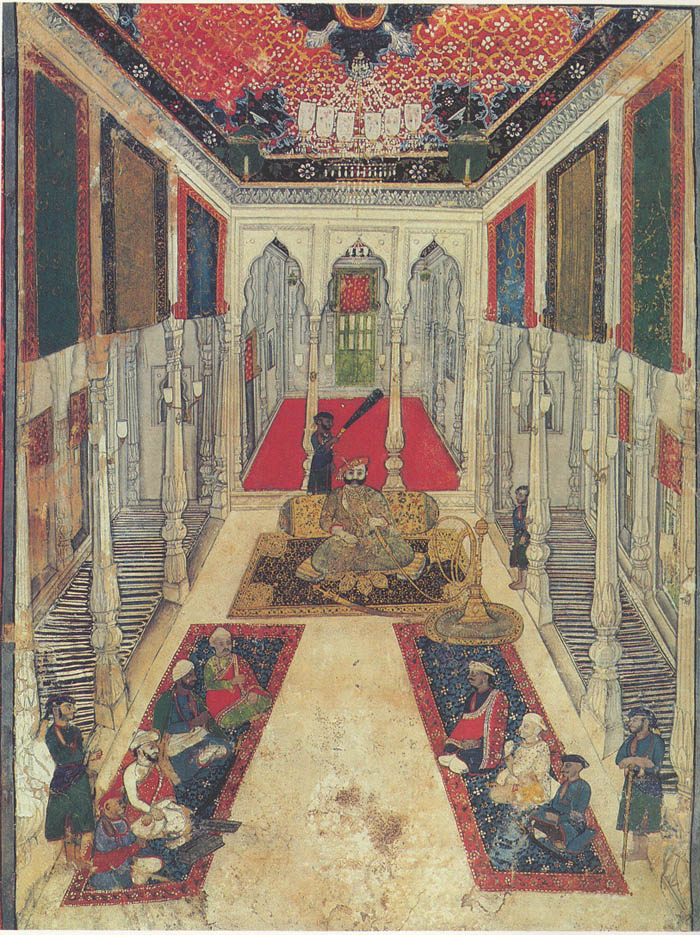


Etymology and variants
The word traces to older Indo‑Iranian languages, with links to forms recorded in Sanskrit and the Avesta; its basic sense is that of a head or leader. Variant spellings — such as Sirdar, Serdar, Sardaar — reflect regional pronunciations and colonial transliterations. The term is also used as a given name and surname in several communities.
Regional and historical use
In South Asia the title has been widely adopted by different groups: it can denote noble lineage among Punjabi and Baloch families, and historically it identified tribal chiefs and people who exercised local authority. During the colonial period and in some older administrative records, European writers used the form Sirdar to refer to native commanders or recognised headmen.
- Military and administrative: used for commanders or senior officers in local forces.
- Tribal and clan leadership: signified an acknowledged head or chieftain.
- Honorific and personal name: adopted as a respectful prefix or as a family name.
Modern usage and cultural significance
Today the word remains in active use. Among Sikhs it is commonly used as an honorific before a man’s given name, functioning in practice like "Mr." while also carrying a connotation of respect. In Iran and some Turkic languages the cognate Serdar can mean commander and is also used as a personal name. The title survives both as a formal designation in certain contexts and as a cultural marker of leadership or noble descent.
Notable public figures have borne the title or used it as part of their name, and it continues to appear in legal, social and genealogical records. For those researching regional history or family origins the term can indicate social rank, tribal affiliation or an ancestral role in local governance. For linguistic and historical background see references to classical languages such as Sanskrit and primary accounts from the regions linked above.
Although fundamentally a term for leadership, the precise meaning of Sardar varies with context: social rank, military role, ethnic custom or simple courtesy. Understanding which sense applies requires attention to region, era and the community using the title.
Further reading and regional studies can clarify local meanings; for general introductions consult surveys of South Asian social titles and ethnographic accounts of the relevant groups.
Related articles
Author
AlegsaOnline.com Sardar: title, honorific and tribal chief Leandro Alegsa
URL: https://en.alegsaonline.com/art/87337