
Saône: river of eastern France and tributary of the Rhône
The Saône is a major river in eastern France that rises in the Vosges, flows south through Burgundy and joins the Rhône at Lyon. It has long shaped navigation, commerce, landscape and regional identity.
Overview
The Saône is a principal river in eastern France and a right-bank tributary of the Rhône. It rises in the uplands of the Vosges and flows generally southward before joining the Rhône at the city of Lyon. Its valley crosses agricultural plains and historic regions and has been important for settlement, transport and local economies for many centuries.
Image gallery
10 Images
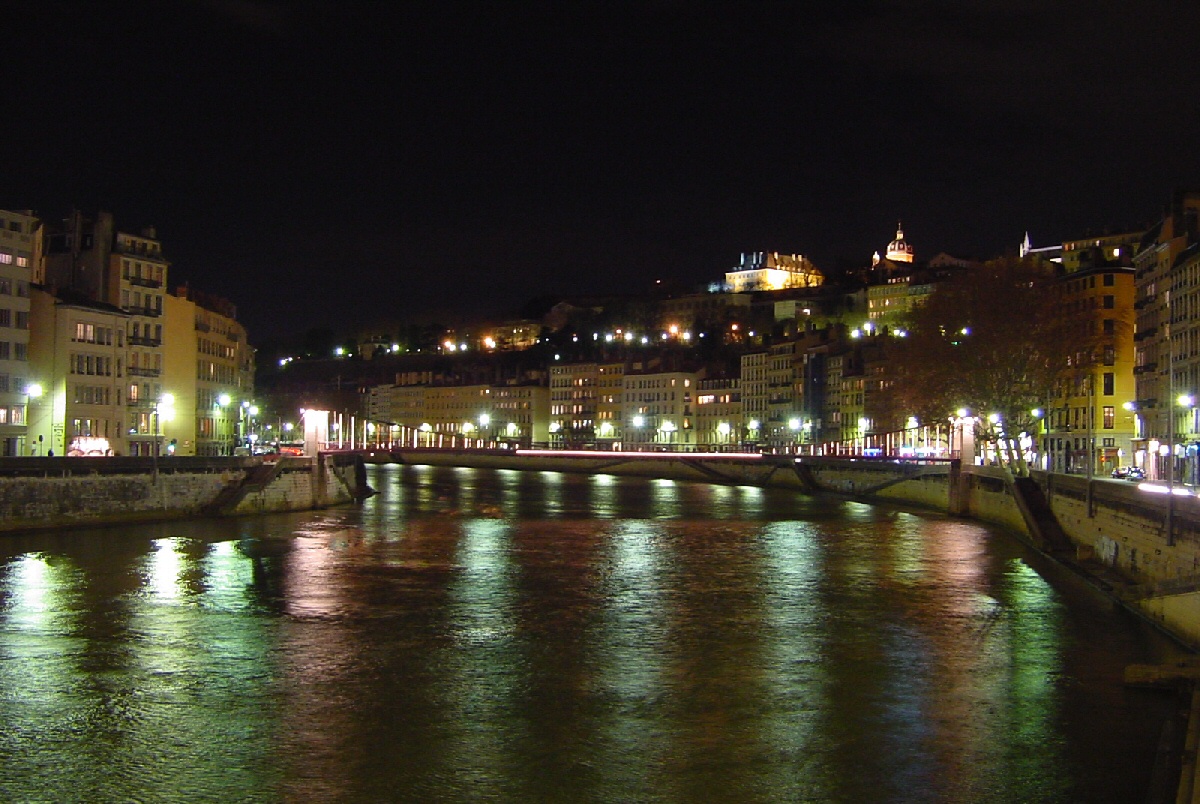


Course and administrative regions
The Saône passes through parts of the modern regions of Bourgogne-Franche-Comté and then into Auvergne-Rhône-Alpes before the confluence at Lyon. Two French departments take their names from the river: Haute-Saône and Saône-et-Loire. These departments reflect the long cultural and administrative influence of the river within regional identity and place‑names (regional administration links).
Hydrology and tributaries
The Saône collects water from a network of smaller streams and tributaries as it descends from higher ground. Seasonal variations in flow reflect rainfall patterns and upstream management. Historically and today, the river's hydrology has been managed by local and national authorities to reduce flooding, support navigation and maintain water quality for agriculture and towns along its banks.
Navigation, canals and economy
For much of its lower course the Saône is navigable and forms an important link in France's inland waterway system. It is connected by canals and locks to the wider canal network, permitting commercial barges and leisure craft to move between the Saône, the Rhône and other river basins. River ports, terminals and associated industries along the Saône support regional commerce, tourism and logistics.
History and cultural importance
Human use of the Saône stretches back to antiquity and the Middle Ages, when rivers were primary routes for trade and communication. Towns and cities along the Saône developed as markets and craft centres; the river corridor influenced viticulture, agriculture and settlement patterns. Place‑names, local festivals and administrative titles continue to recall the central role of the Saône in regional history.
Environment, recreation and conservation
The Saône's valley includes riparian habitats, floodplain meadows and agricultural land. These areas support biodiversity and require integrated management to balance flood control, farming and conservation. Recreational uses—river cruising, boating, fishing and cycling along riverbanks—are important to local tourism and community life.
Quick facts
- Principal river in eastern France and tributary of the Rhône.
- Source region: Vosges.
- Confluence with the Rhône at Lyon.
- Departments named after the river: Haute-Saône, Saône-et-Loire.
- Integrated with the national canal network and regional transport systems (river overview).
Further information on navigation, water management and local history is available from regional authorities and specialised resources; introductory overviews and official guides often provide practical details for visitors and researchers (Saône overview, national context).
Questions and answers
Q: Where is the Saône river located?
A: The Saône river is located in eastern France.
Q: Is the Saône river a tributary of the Rhône river?
A: Yes, the Saône river is a right tributary of the Rhône river.
Q: Which French department does the Saône river start in?
A: The Saône river starts in the Vosges department.
Q: Which city does the Saône river join with the Rhône river?
A: The Saône river joins with the Rhône river in the city of Lyon.
Q: How many French departments have the name of the river in their names?
A: Two French departments have the name of the river in their names: Haute-Saône and Saône-et-Loire.
Q: In which region are the two French departments with the name of the river located?
A: The two French departments with the name of the river, Haute-Saône and Saône-et-Loire, are located in the Bourgogne-Franche-Comté region.
Q: What is the Saône river part of in comparison to the Rhône river?
A: The Saône river is the tributary of the Rhône river.
Related articles
Author
AlegsaOnline.com Saône: river of eastern France and tributary of the Rhône Leandro Alegsa
URL: https://en.alegsaonline.com/art/87255
Sources
- commons.wikimedia.org : Saône
- services.sandre.eaufrance.fr : "La Saône (U---0000)"
- hydro.eaufrance.fr : "La Saône à Couzon-au-Mont-d'Or [2]"
- geoportail.gouv.fr : "Source de la Saône"
- geoportail.gouv.fr : "Embouchure de la Saône"