
Haute-Saône
Haute-Saône is a largely rural department in eastern France's Bourgogne‑Franche‑Comté region, named for the Saône River. Overview of its geography, history, economy, administration and cultural features.
Haute‑Saône is a department in eastern France whose name derives from the Saône river. It occupies a mostly rural landscape of valleys, plateaus and forested hills and forms part of the larger administrative region of Bourgogne‑Franche‑Comté. For general reference see the department entry Haute‑Saône (department) and the country overview France.
Image gallery
10 Images


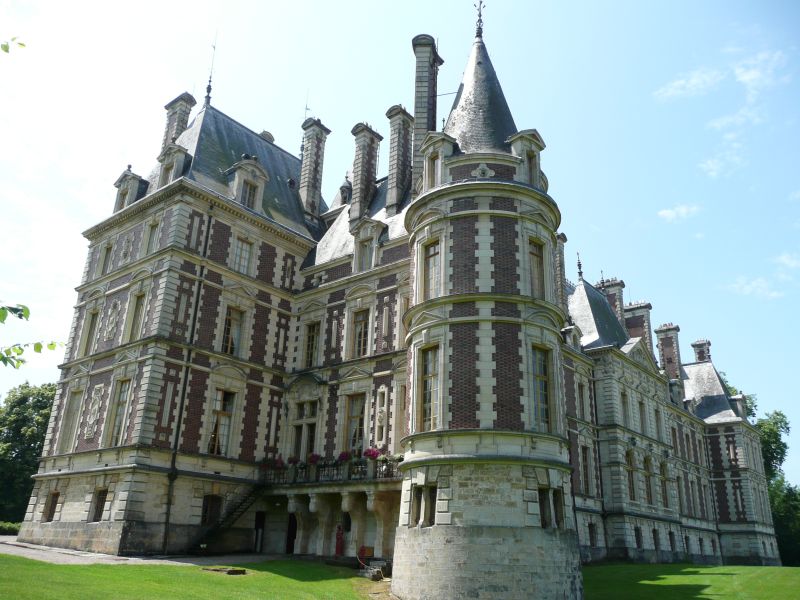

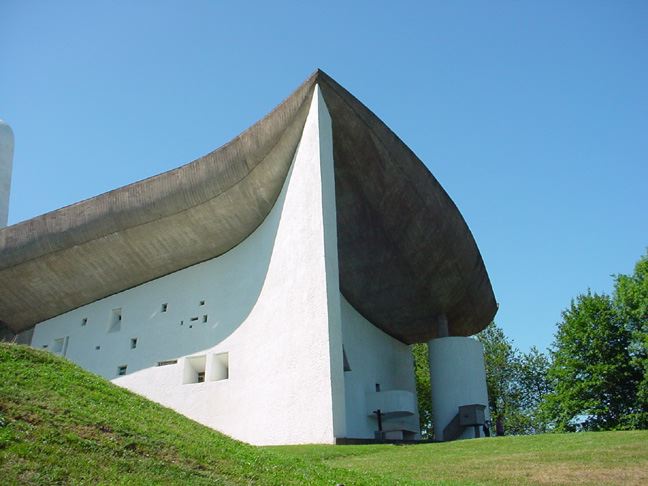

Geography and environment
The territory is crossed by tributaries and waterways linked to the Saône; the river itself gives the department its name and has shaped local valleys and settlements (Saône, Saône basin). Much of the area is dominated by mixed farmland, woodland and small rivers, with scattered market towns and hamlets rather than large urban centres.
History and development
Historically the area belongs to the eastern French cultural and administrative orbit known today as a French region. Over centuries the locality developed through agriculture, small‑scale industry and river trade. Its administrative capital and largest town is Vesoul, which functions as the prefecture (prefecture) and regional service centre (Vesoul municipal information).
Economy and land use
The local economy combines arable and pastoral farming, forestry, artisanal production and light manufacturing. Tourism focuses on countryside activities, historic towns and river landscapes. Small businesses and local markets remain important to rural life.
Administration and identity
- Administrative role: seat of the prefecture in Vesoul and local subprefectures.
- Settlements: a mix of small towns and villages rather than a single dominant metropolis.
- Cultural features: regional cuisine, fairs and outdoor recreation linked to waterways and forests.
Haute‑Saône is often cited as an example of France’s diverse rural departments: historically rooted, sparsely populated compared with metropolitan areas, and valued for natural landscapes, local crafts and river corridors that continue to shape life and economy.
Questions and answers
Q: What is Haute-Saône?
A: Haute-Saône is a department in the eastern part of France.
Q: In which region is Haute-Saône located?
A: Haute-Saône is located in the Bourgogne-Franche-Comté region.
Q: What is the Saône river?
A: The Saône river is a river that flows through Haute-Saône and gives it its name.
Q: What is the capital (prefecture) of Haute-Saône?
A: The capital (prefecture) of Haute-Saône is the city of Vesoul.
Q: Why is Haute-Saône named after the Saône river?
A: Haute-Saône is named after the Saône river because the river flows through this department.
Q: What is the significance of Vesoul in relation to Haute-Saône?
A: Vesoul is the capital (prefecture) of Haute-Saône, which means it is the administrative center of the department.
Q: In which part of France is Haute-Saône located?
A: Haute-Saône is located in the eastern part of France.
Related articles
Author
AlegsaOnline.com Haute-Saône Leandro Alegsa
URL: https://en.alegsaonline.com/art/42857
Sources
- haute-saone.fr : "Election du président du Conseil départemental"
- insee.fr : "Département de la Haute-Saône (70)"
- insee.fr : "Populations légales 2014: Recensement de la population - Régions, départements, arrondissements, cantons et communes"
- splaf.free.fr : "Historique de la Haute-Saône"
- peakbagger.com : "Ballon de Servance, France"
- weatherbase.com : "Lure, France - Climate Summary"
- insee.fr : "Département de la Haute-Saône (70)"
- insee.fr : "Régions, départements, arrondissements, cantons et communes"
- insee.fr : "Département de la Haute-Saône (70)"
- legifrance.gouv.fr : "Décret n° 2014-164 du 17 février 2014 portant délimitation des cantons dans le département de la Haute-Saône"
- habitants.fr : "Haute-Saône"