
Sarasota County, Florida
Coastal county on Florida’s Gulf Coast centered on Sarasota. Created in 1921, known for barrier islands, parks, a strong arts scene and an economy shaped by tourism, retirement migration and conservation.
Overview
Sarasota County is a coastal county on the Gulf of Mexico in the U.S. state of Florida. The county seat and largest city is Sarasota. Established in 1921, the county grew through the 20th century as road and air connections improved; subsequent decades have seen development driven by tourism, retirees relocating for climate and lifestyle, and suburban expansion.
Image gallery
10 Images


Geography and communities
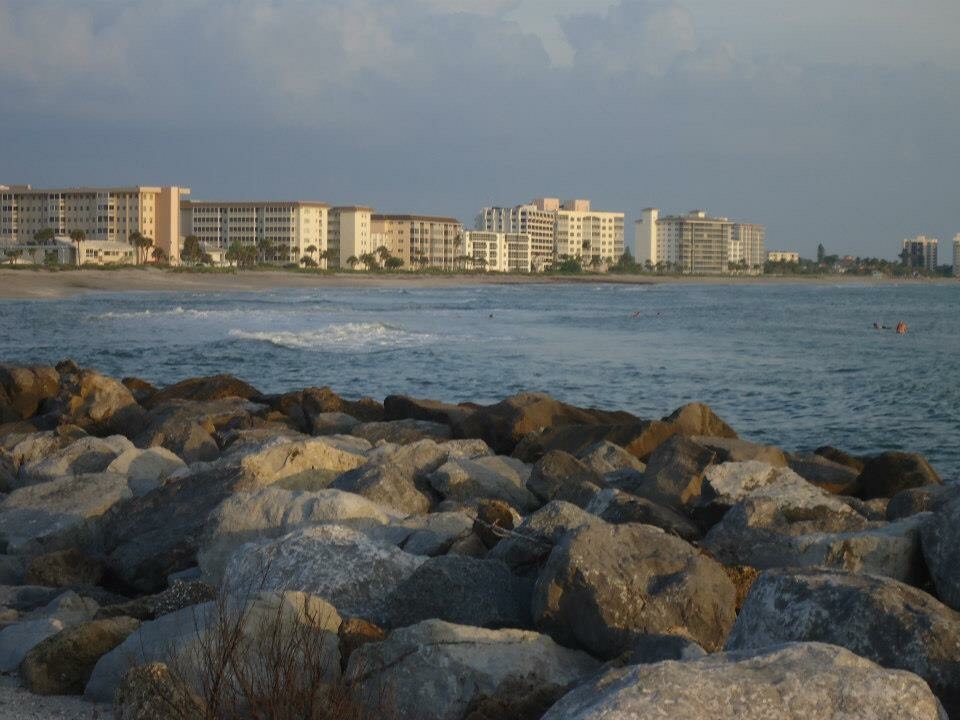
The county includes mainland territory and a chain of barrier islands and keys that front the gulf. Well-known barrier beaches and island communities include Siesta Key, Longboat Key and Lido Key. Inland communities range from historic downtown Sarasota to larger suburban and residential cities such as North Port and Venice. The landscape varies from fine quartz sand beaches and coastal dunes to marshes, upland hammocks and freshwater wetlands.
History and development
Sarasota County was formed in the early 20th century from portions of neighboring jurisdictions and expanded with investments in transportation, tourism and civic infrastructure. Post‑World War II growth accelerated new neighborhoods, shopping centers and cultural institutions. Local planning has frequently sought to balance development with protection of shoreline, wetland and riverine habitats.
Culture and attractions
The county is noted for an active arts and cultural scene. Sarasota hosts museums, performing arts organizations and festivals that attract regional audiences; among these are historic estates and museums connected with the area’s arts patronage. Outdoor recreation is central to visitor appeal: public beaches, boating, fishing, parks and preserves draw both seasonal visitors and year‑round residents.
Economy and infrastructure
The local economy depends on tourism, real estate, health care and services for an older demographic. Transportation corridors include U.S. Route 41 and Interstate 75 through the county, and a regional airport serves commercial and private flights. Infrastructure planning addresses growth pressures, stormwater management and coastal resilience.
Environment and conservation
Large protected areas and state parks conserve wildlife habitat and recreational space, with attention to issues such as beach erosion, habitat restoration and water quality in estuaries and rivers. Natural attractions and designated preserves remain important for biodiversity and outdoor recreation.
- Beaches: Siesta Key is widely recognized for its light, fine sand and public beach access.
- Parks: River corridors and state parks within the county protect native ecosystems and offer trails and boat access.
- Arts: Museums, theaters and festivals contribute to a reputation for performing and visual arts.
Sarasota County continues to navigate the challenges of growth, tourism management and coastal resilience while promoting its beaches, parks and cultural resources as core community assets. For official information and local planning resources see county and state pages: county overview, state resources, Florida guides.
Related articles
Author
AlegsaOnline.com Sarasota County, Florida Leandro Alegsa
URL: https://en.alegsaonline.com/art/87313